The Hwarang of Silla: Buddhist Knights and Their Martial Code
😊 Discover the legendary Silla Hwarang martial code, a unique blend of Buddhist principles and martial discipline that defined Korea’s elite warrior…
Read article
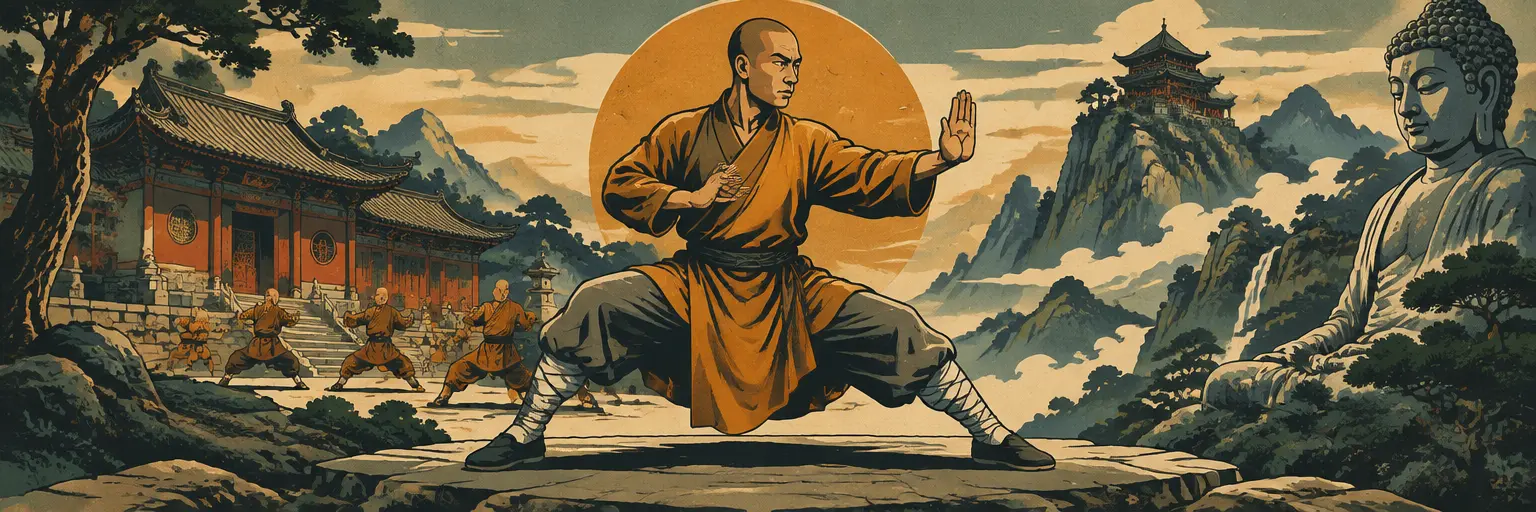
Explore the profound fusion of physical discipline and spiritual enlightenment with our deep dive into Martial Arts and Monastic Traditions—from the iron fists of Shaolin to the mindful stillness of Zen. These ancient lineages aren’t just combat systems; they are living philosophies that transform the body into a fortress and the mind into a mirror. Uncover how Shaolin monks turned arduous training into a path of Bodhidharma’s legacy, while Zen warriors wielded breath and awareness as their sharpest weapons. Perfect for history buffs, dedicated practitioners, or curious seekers, this section reveals the rituals, codes, and daily regimens that shaped martial arts into a holistic way of life—where every strike is a meditation and every form a prayer. Discover how these traditions still influence modern self-defense, stress relief, and personal growth today. Immerse yourself in the paradox of combat as compassion and stillness as strength, and see why the world’s most legendary fighters were often its most peaceful monks. Your journey from motion to silence starts here.
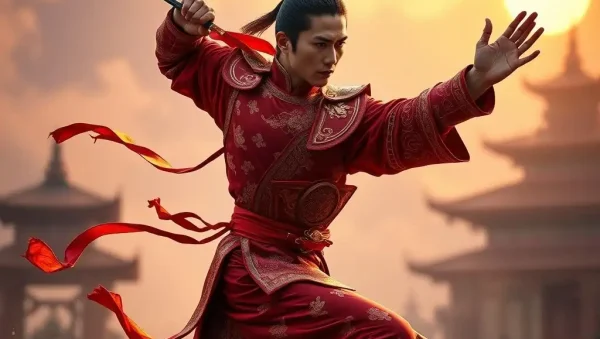
😊 Discover the legendary Silla Hwarang martial code, a unique blend of Buddhist principles and martial discipline that defined Korea’s elite warrior…
Read article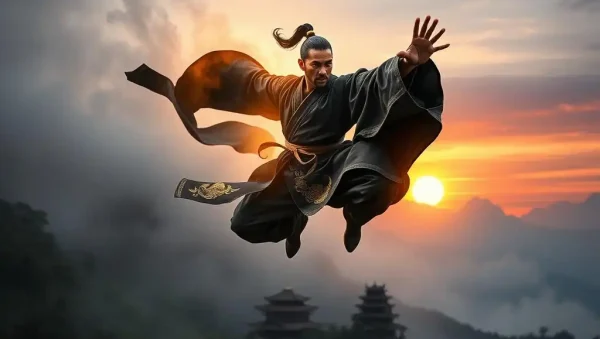
🥋 Discover the rich history of Wudang Shaolin martial arts, contrasting the spiritual, internal focus of Wudang with Shaolin’s dynamic, external techniques.…
Read article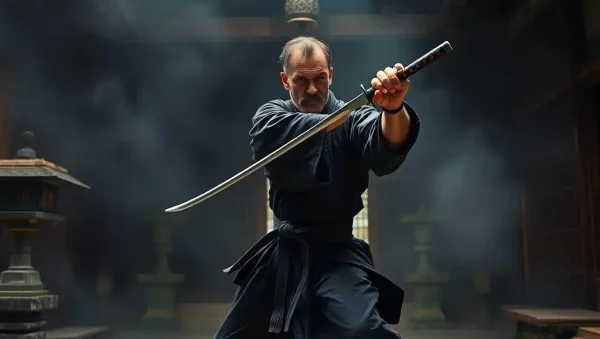
🥋 Discover how Japanese monasteries have been vital in preserving martial arts history, serving as spiritual and training sanctuaries that safeguard ancient…
Read article
🌟 Discover how martial arts celibacy energy enhances focus, discipline, and martial prowess among warrior monks, illustrating the profound connection between spiritual…
Read article
🌟 Discover how Shaolin Kung Fu evolution today navigates modern challenges while preserving its ancient spirit, blending tradition with innovation. Explore the…
Read article
🥋 Discover how silence enhances monastic martial arts, fostering deep focus and inner peace. Exploring the silent martial arts training benefits reveals…
Read article
🌟 Discover how Kyudo meditation techniques benefits practitioners by fostering mindfulness, discipline, and spiritual growth, transforming archery into a profound path to…
Read articleWelcome to the sacred intersection of combat and contemplation. This subcategory of *History & Culture of Martial Arts* on MartialArtsMastery.org explores how monastic institutions—most famously Shaolin Temple and Zen Buddhism—shaped martial systems into profound paths of self-cultivation, discipline, and enlightenment. Here, you will discover how prayer, meditation, and rigorous physical training merged to forge warriors who were as skilled in stillness as in striking. This isn’t just about punches and kicks; it’s about the philosophical DNA that still drives modern martial practice.
Shaolin, nestled in China’s Songshan mountains, stands as the most iconic monastery in martial history. Founded in the 5th century, it became a crucible where Indian monk Bodhidharma (Da Mo) supposedly introduced Chan (Zen) meditation and physical exercises to combat fatigue—seeds that blossomed into Shaolin Kung Fu’s legendary styles. Expect to learn how this temple systematized fighting into forms, weapon routines, and a strict ethical code, transforming martial arts from mere combat into a living art form.
Beyond the myths, Shaolin’s history is rich with documented records of monks defending the temple, developing iron-body conditioning, and creating a curriculum that blended breathing, stance training, and meditative visualization. This section will dissect the historical timeline—from the Tang dynasty’s military alliances to the temple’s destruction and revival—and clarify how Shaolin’s legacy spread across Asia, influencing Japanese karate and Okinawan fighting systems. You’ll also explore the modern Shaolin phenomenon, where tourism and mass training have redefined its monastic traditions for today’s world.
Zen (Chan in Chinese) is not merely a religious sect but a psychological framework that martial artists adopted to achieve mushin (no-mind) and zanshin (lingering awareness). This section dives into koan riddles, seated meditation (zazen), and mindfulness practices that were integrated into swordsmanship, archery (kyudo), and unarmed combat. You’ll understand how Zen’s emphasis on spontaneity and detachment from outcome enabled warriors to act without hesitation—a skill paramount in life-or-death encounters.
Practically, Zen’s influence can be seen in the ritualistic bowing, focused breathing, and mental resilience training found in modern dojos. We’ll explore historical texts like Takuan Sōhō’s “The Unfettered Mind,” a 17th-century treatise advising swordsmen to cultivate “immovable wisdom” amid chaos. This isn’t mysticism for its own sake; it’s a reproducible methodology for stress inoculation, decision-making under pressure, and emotional regulation—benefits now validated by sports psychology and neuroscience, making these ancient traditions relevant to contemporary martial artists and self-defense practitioners alike.
While Shaolin reigns supreme, monastic martial traditions are a global phenomenon. This segment expands the lens to the Sōhei (warrior monks of Japan), the Mameluke slave-soldiers of Egypt, and the Kalaripayattu masters of southern India’s Buddhist and Hindu monasteries. Each system fused spiritual discipline with devastating weaponry—Sōhei wielded naginata and ōdachi, while Kalaripayattu emphasized animal-based forms and vital point strikes (marma). Compare their training regimens, daily routines, and the ethical dilemmas of monks who broke their non-violence vows to defend their faith.
You’ll also discover less-known traditions like the Bajutsu horse-mounted monks of Mongolia and the Escrima stick fighting of Filipino friars. Cross-cultural analysis reveals common threads: rigorous physical conditioning, ritual purification, and a communal lifestyle centered on shared purpose. These systems weren’t just self-defense—they were institutionalized martial arts schools that preserved techniques across generations, often outlasting royal armies. Understanding them provides a nuanced view of how monasteries served as repositories of tactical knowledge, medical healing, and psychological resilience in pre-modern societies.
Monastic martial training wasn’t limited to battle drills; it was an all-encompassing lifestyle. Expect a day-in-the-life breakdown: pre-dawn meditation, manual labor (often farming or construction), repetitive form practice (kata/taolu), sparring with padded equipment, and evening scripture study. The key was kung fu as “skill through effort,” not just fighting ability. This section details the nutritional practices, herbal medicine (dit da jow for injuries), and sleep schedules that maximized recovery and longevity—essential for warriors who aged gracefully while maintaining combat readiness.
Discipline was enforced through a strict hierarchy, communal punishment, and a merit-based promotion system. We’ll examine how novice monks progressed from crawling postures to weapon mastery over 10-15 years, and how failure was reframed as a lesson rather than a disgrace—a philosophy that modern martial arts schools still struggle to replicate. The ascetic’s rejection of material wealth, combined with total devotion to training, created an environment of extraordinary focus. This section also addresses the psychological toll: isolation, homesickness, and the reconciliation of violent skills with peace-loving tenets, offering a balanced view of monastic life’s sacrifices and rewards.
From Hollywood films to competitive wushu, monastic traditions have been commercialized, romanticized, and misrepresented. This section peels back the fantasy to reveal authentic practices that survive in contemporary gyms and temples. You’ll trace how Shaolin monks became global ambassadors, performing in “Shaolin Show” tours, while Zen-inspired aikido and karate dojos proliferate worldwide. However, this globalization raises questions of cultural authenticity: Does stripping meditation from a fighting system dilute its essence? Can Western practitioners genuinely embody Zen without lifelong monastic immersion?
We’ll also address the ethical revival of these traditions, with modern teachers integrating trauma-informed care, secular mindfulness, and adaptive training for disabled practitioners. Case studies include Shaolin’s partnership with Chinese government for heritage preservation, and Japanese temples offering Zen retreats to stressed professionals. Equally vital is the warning against exoticism—the myth of “ancient secret techniques” that ignores historical evolution. By understanding monastic arts’ true origins, practitioners can honor their roots while innovating responsibly, ensuring these traditions remain living, breathing systems rather than frozen museum pieces.
Yes, when trained realistically. While traditional Shaolin forms include stances and acrobatics, core techniques like palm strikes, low kicks, and throws are practical. However, modern self-defense requires pressure testing against resisting opponents. Monastic methods excel at building physical conditioning and mental calm, but you’ll need sparring practice to adapt them to street scenarios.
No, but understanding Zen philosophy enhances practice. Zen is a practical method of focusing the mind, not a requirement of faith. Many non-Buddhists benefit from zazen (seated meditation) to improve concentration and reduce panic. The ethical precepts of compassion and non-harming align with universal values, making Zen accessible to all belief systems.
Shaolin emphasizes hard, external techniques—linear strikes, high kicks, and explosive power—rooted in Buddhist Chan. Wudang, associated with Taoism, favors soft, internal methods like tai chi, baguazhang, and xingyiquan, focusing on yielding, circular motion, and internal energy (qi). Both are monastic traditions, but their philosophical bases (Buddhist vs. Taoist) create distinct training principles.
Absolutely, but with caveats. Many qualified teachers outside Asia have studied in temples or under direct lineage holders. Look for schools emphasizing history, meditation, and forms alongside sparring. Beware of “McDojos” that sell belts and acrobatics without substance. Authenticity lies in the curriculum’s integrity, not the sign on the door.
True mastery is lifelong—Shaolin tradition says ten years for basic proficiency, twenty for skill, and forty for wisdom. Most practitioners see meaningful progress in self-defense and fitness within two to three years of consistent training. Mastery isn’t a destination but a daily discipline of body and mind, as monastic teachers have always insisted.