Arjuna's Dilemma: The Warrior's Duty and Philosophy in the Bhagavad Gita
🌟 Explore Arjuna's profound dilemma in the Bhagavad Gita martial arts context, where duty and philosophy intertwine. This timeless wisdom offers essential…
Read article
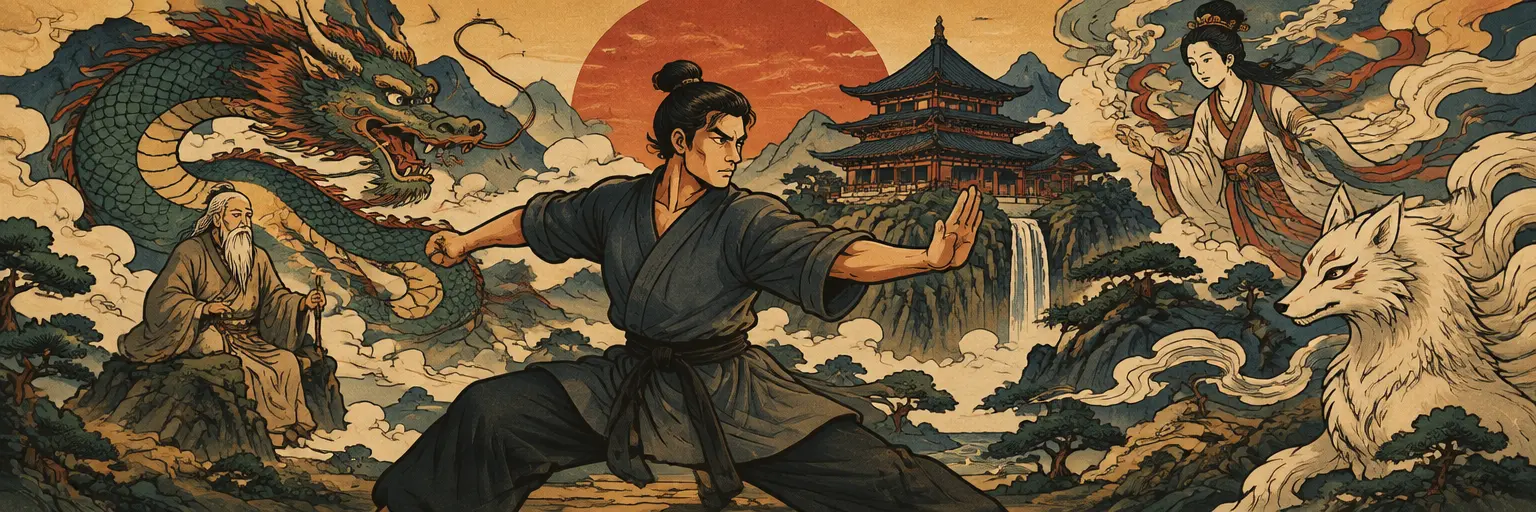
Step into the realm where myth meets combat—where gods, heroes, and demons shape the very essence of martial arts. Across cultures, from the divine kung fu of Chinese legends to the valiant samurai spirits of Japanese folklore, these tales aren’t just stories—they are the blueprints of technique, discipline, and spiritual power. Discover how mythological figures like the Monkey King, the Norse berserkers, or the Hindu warrior goddess Durga inspired real-world fighting styles, and how folklore’s hidden masters passed down secrets that still echo in dojos and training halls today. Uncover the symbolism behind dragon-style movements, the sacred rites of warrior initiation, and the mystical weapons that transcend history. Perfect for history buffs, practitioners, and storytellers alike, this journey reveals how legend fuels the fire of every punch, kick, and stance—transforming ancient myth into living, breathing martial wisdom. Explore the crossover of religion, heroism, and combat, and see why these epic narratives remain the beating heart of martial arts culture worldwide.
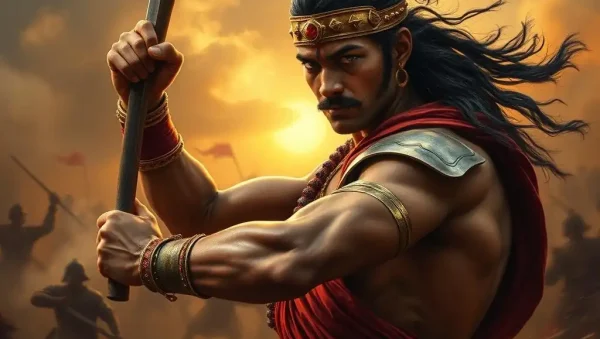
🌟 Explore Arjuna's profound dilemma in the Bhagavad Gita martial arts context, where duty and philosophy intertwine. This timeless wisdom offers essential…
Read article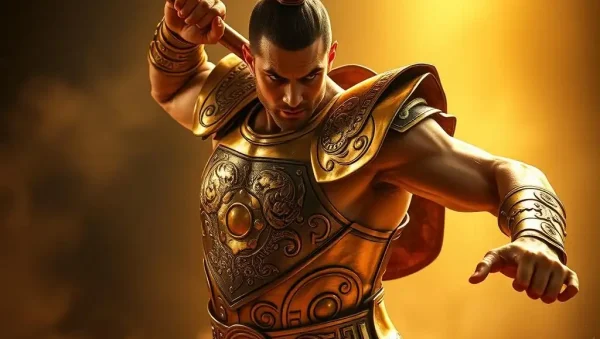
🛡️ Discover the legendary Achilles' armor, crafted by Hephaestus, showcasing divine craftsmanship rooted in ancient Greek bronze armor techniques. This masterpiece reflects…
Read article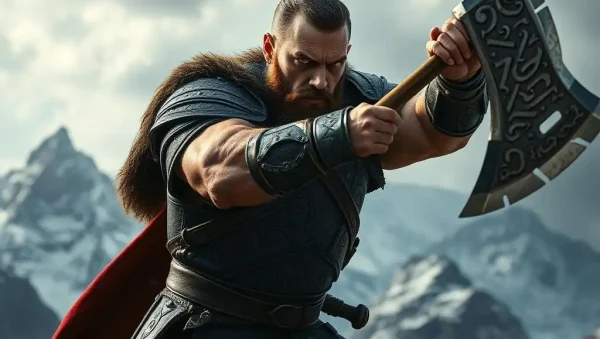
🛡️ Discover Tyr, the one-handed Norse god, and explore how Norse martial arts techniques embody combat justice, blending myth, history, and practical…
Read article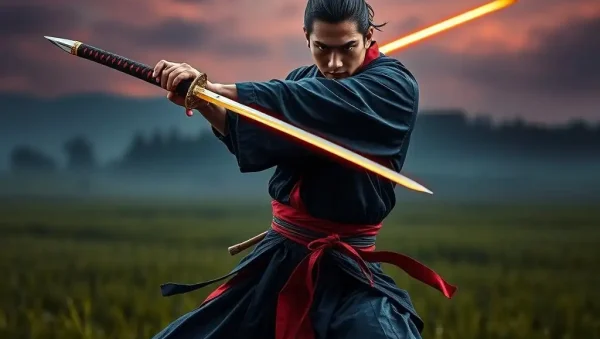
🗡️ Discover the legendary Kusanagino Tsurugi, a legendary grass-cutting sword rooted in Japanese imperial sword legends, embodying the martial prowess and mystical…
Read article
🔥 Explore how ritual combat, mythology, and martial arts intertwine across cultures, revealing the profound significance of martial performances in ancient societies.…
Read article
🔥 Discover the fierce legacy of Sekhmet martial arts history, rooted in the lioness goddess’s ferocious spirit. Explore her influence on martial…
Read article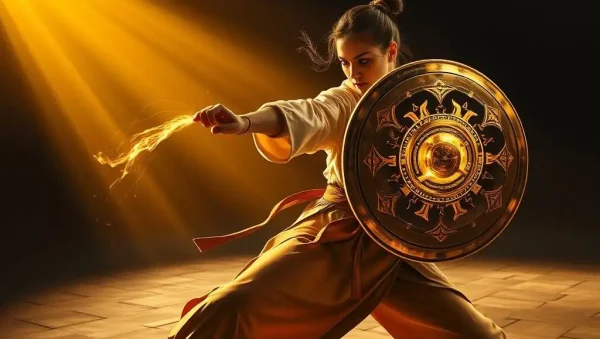
🛡️ Discover the terrifying power of Athena’s shield in Greek mythology and how its divine protection inspires modern martial arts. Explore Athena’s…
Read articleWelcome to the mystical crossroads where combat meets legend. In this subcategory, we explore how mythological martial arts—from the divine spear techniques of Greek heroes to the secret ninja arts of Japanese folklore—have influenced real-world fighting systems. You’ll uncover how gods, demons, and folk heroes encoded training principles, weapon lore, and ethical codes that still echo in modern dojos. This is not just about tall tales; it’s about understanding the cultural DNA behind styles like kung fu, karate, and Kalaripayattu. Expect rich storytelling, historical context, and practical insights into how myths were used to teach discipline, courage, and strategy to generations of warriors.
Many cultures attribute their martial arts to supernatural beings. In Chinese mythology, the Yellow Emperor is said to have received the "Jade Maiden’s manual" of combat from a celestial goddess. Similarly, Indian lore credits Lord Shiva with creating Kalaripayattu, the "mother of martial arts," while Japanese Shinto legends describe the storm god Susanoo defeating a serpent with a sword technique that inspired kendo. These stories weren’t just entertainment—they legitimized fighting systems as sacred knowledge, giving practitioners a spiritual lineage that boosted morale and ethical responsibility. By studying these myths, you’ll see how divine sanction was used to enforce prohibitions on using martial skills for cruelty or greed.
Beyond origin stories, mythic battles often encoded tactical wisdom. For instance, the Hindu epic Mahabharata features archery techniques taught by celestial beings, emphasizing stance, breath control, and target focus. In Norse lore, Odin’s eight-legged horse Sleipnir appears in tales where warriors learn to fight from unconventional angles. These narratives provided mnemonic devices for complex movements—much like how modern martial artists use animal styles (tiger, crane, mantis) based on folk observations. Thus, divine myths were not just fables but functional training manuals disguised as theology.
Folk heroes like King Arthur, Robin Hood, and Japan’s Miyamoto Musashi—though partly historical—became archetypes that dictated how martial artists should behave and fight. In Celtic folklore, the warrior Cú Chulainn’s "warp spasm" (a battle frenzy) taught the value of controlled aggression. His single-handed fighting style, using a spear and a shield, is mirrored in modern HEMA (Historical European Martial Arts) interpretations. Meanwhile, the Malay legend of Hang Tuah, an invincible swordsman, instilled the principle that a great warrior must also be a diplomat. These stories shaped curricula: dojos would recount these tales to explain why certain stances prioritize defense over attack, or why humility is a weapon itself.
In many cultures, these heroes were said to have received secret scrolls or divine visions that contained lost techniques. For example, the Korean folk hero Hwang Hee reportedly learned subak (an antecedent of taekwondo) from a mountain hermit who was a reincarnated dragon. Such narratives elevated the art from mere physical skill to a rite of passage. Today, martial artists still use "warrior’s journey" narratives to frame their training—every black belt candidate’s path mirrors the hero’s cycle of trial, fall, and redemption. Thus, mythology gives practitioners a psychological framework to endure grueling training and setbacks.
Folklore across continents abounds with animals imparting combat wisdom. The crane style of kung fu is said to have been inspired by a crane fighting with a snake, as observed by a monk. Similarly, Japanese judo’s principle of "maximum efficiency" traces back to a legend about a willow tree bending under snow—a tale taught to jujitsu founders. Even Western folklore features the "salmon leap" of Irish warriors, a jumping kick that mimics fish agility. These animal-based narratives offered somatic metaphors for movements, making them easier to memorize and internalize. They also highlighted core philosophies like yielding to force, precision over power, and adaptation to environment.
In southeast Asian folklore, the silat tradition incorporates movements of the praying mantis, eagle, and cobra, each with a moral lesson. For example, the mantis teaches patience and ambush, while the eagle represents vision and decisive strikes. The stories accompanying these forms often come from animistic beliefs that all living things possess spiritual energy—hence, warriors sought to channel animal chi or prana. Modern instructors still use these tales to explain why certain footwork mimics a tiger’s crouch or a snake’s inhale-exhale rhythm. Mythology, therefore, acts as a bridge between anatomy and anthropomorphism, turning abstract biomechanics into relatable, vivid imagery.
Legendary weapons are central to martial arts folklore. Excalibur, King Arthur’s sword, symbolized divine right and moral justice, teaching that a warrior’s blade must never be drawn in anger. Japan’s Kusanagi-no-Tsurugi, a sword extracted from a dragon’s tail, is linked to the imperial lineage and influenced sword-making rituals. In Philippine mythology, the kampilan sword stories emphasize the blade’s soul—believed to consume an enemy’s spirit. These myths dictate weapon-handling etiquette: drawing a sword was a vow, not a casual act. Collectively, they reinforce the idea that weapons are extensions of the body and honor, not mere tools.
Folk tales also document innovative techniques tied to unique weapons. For instance, the Chinese jian (straight sword) is said to have been perfected by goddess Lü Dongbin, who taught sword fighters to move like flowing water. Similarly, Polynesian legends describe the leiomano, a shark-tooth club, which was used in rituals to invoke sea-god power. These stories often include "secret formulas"—like the exact tempering of steel or the rhythm of strikes—that were considered sacred. By studying these myths, contemporary martial artists gain insights into historical weapon usage, and why certain weapons were designed for specific combat styles or spiritual purposes.
Many myths frame martial arts as a means to conquer inner demons or achieve transcendence. In Tibetan Buddhist folklore, warrior monks used meditation to gain clairvoyance in battle, while in Hindu tales, Arjuna’s celestial weapons were granted only after he mastered emotional restraint. These narratives taught that physical combat was secondary to spiritual growth—a concept that later became central to Zen in Japan (“no-mind” in combat). The idea of rebirth after a painful defeat is a recurring theme: heroes like the Japanese swordsman Tsuruhime might lose a battle but return with a new technique, symbolizing resilience and ego death.
In shamanic cultures, martial arts were sometimes performed as ritual dances to invoke ancestor spirits. The Pencak Silat tradition of Indonesia incorporates tenaga dalam (inner power) believed to come from meditation on mythological figures. Similarly, African martial arts like Engolo incorporate capoeira-like movements that mimic ancestral spirits in trance. These myths serve a practical purpose: they destigmatize defeat and frame setbacks as necessary for transformation. Modern sport psychologists use similar storytelling to help athletes reframe failure. Thus, mythological frameworks offer psychological tools for resilience that are still scientifically validated today.
Yes, many mythological references encode real techniques but embellish them. For example, the monkey staff style in Chinese lore reflects actual staff-fighting skills, while tales of flying kicks may describe acrobatic leaps practiced by medieval warriors. Historians cross-reference myths with archaeology to identify plausible techniques.
Focus on visualization and metaphor—imagine yourself as a crane or a warrior from a legend when practicing forms. Use mythological stories to set intention (e.g., "like Arjuna, I seek precision"). Many dojos incorporate such imagery in their mental drills.
Chinese wushu and Indian Kalaripayattu likely tie, with gods, animal spirits, and sage heroes. However, Southeast Asian silat also boasts extensive animistic lore. Japanese budo combines Shinto, Taoist, and Buddhist myths for layered narratives.
Absolutely—many styles retain ceremonial elements, such as kata naming, ritual bows, or weapon blessings. For example, taekwondo’s "beyond the river" pattern references a Korean myth. Even MMA gyms often use storytelling to motivate athletes.
Indirectly yes—studying myths enhances mental resilience, strategic thinking, and cultural awareness that improve training focus and adaptability. They also offer mnemonic cues for movement memory, like remembering a crane’s balance or a snake’s timing.