Ancient Origins of Martial Arts: Global Perspectives
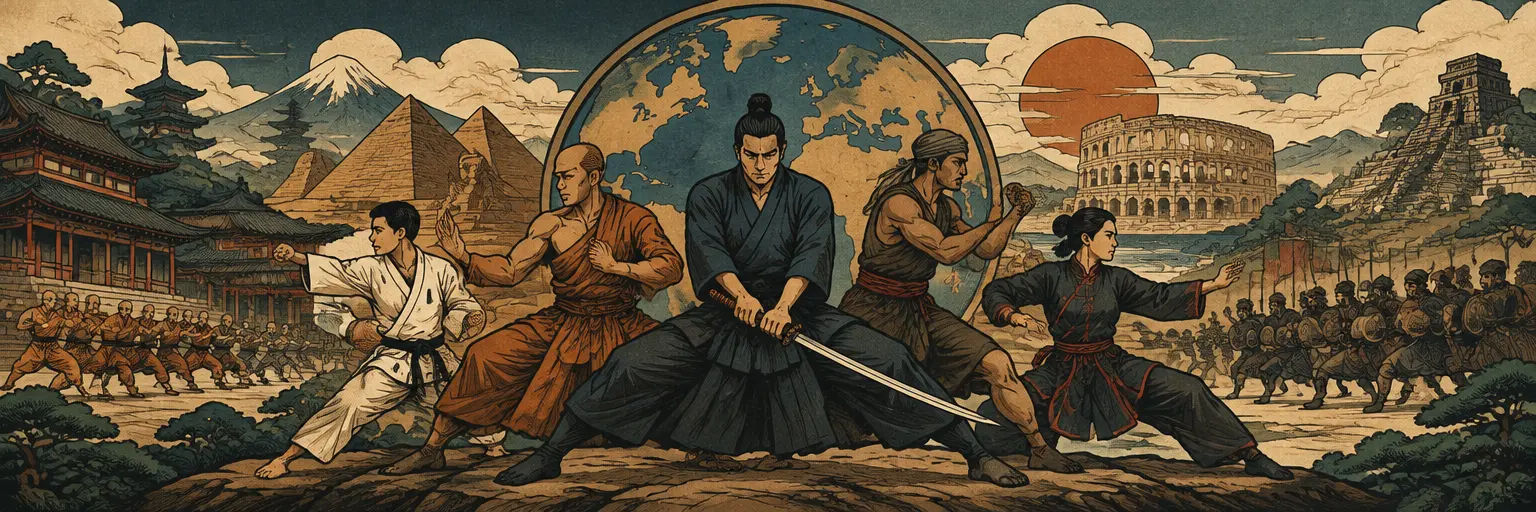
Journey back thousands of years to uncover where martial arts truly began. This subcategory explores the archaeological, mythological, and historical roots of combat systems across continents—from Egyptian tomb paintings to Indian Vedas, Chinese monasteries, and Greek pankration. Understanding these diverse origins enriches your practice, reveals shared human instincts, and honors the cultural legacies that shaped modern disciplines like karate, kung fu, and Brazilian jiu-jitsu.
🛡️ Early Combat Evidence: Prehistoric and Ancient Civilizations
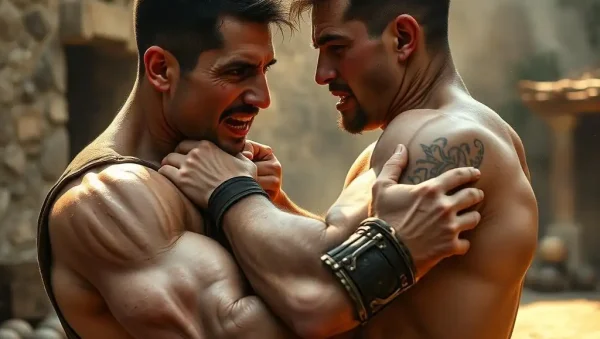
Before formal styles, humans fought for survival. Cave paintings from 6000 BCE in Libya depict grappling and stick fighting, suggesting organized combat predates written history. Egyptian reliefs (circa 2000 BCE) show wrestling sequences, while Sumerian artifacts illustrate hand-to-hand techniques. These earliest records prove that martial arts were not invented but evolved organically from hunting, warfare, and ritual.
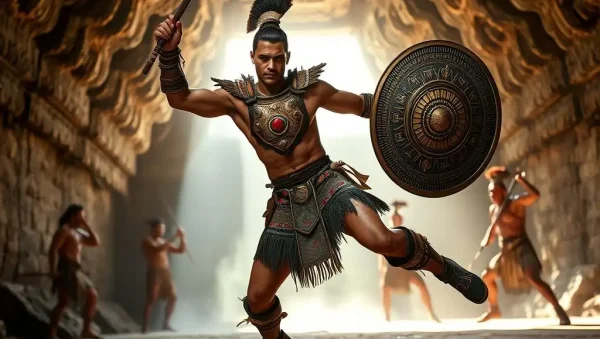
Archaeologists have also uncovered Mesoamerican and African combat traditions, including the Aztec war dance and Zulu stick fighting. Such findings challenge the Eurocentric view of history, showing that every culture developed sophisticated fighting methods. For practitioners today, recognizing this shared heritage fosters respect for the universality of martial discipline, whether you train in kickboxing or taekwondo.
🏛️ Greek Pankration and Olympic Combat Sports
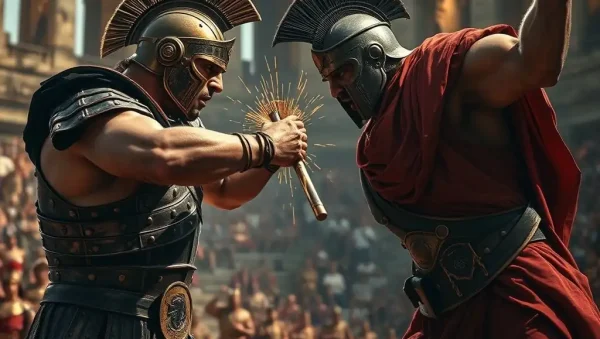
Ancient Greece formalized combat as sport and philosophy. Pankration, introduced to the Olympic Games in 648 BCE, combined boxing and wrestling with few rules, emphasizing submissions and strikes—a direct ancestor of modern mixed martial arts. Greek wrestling also influenced Roman gladiatorial training and later European catch wrestling.
Beyond technique, Greeks viewed martial practice as essential to arete (excellence) and areligious devotion to Zeus. Aristotle even wrote about conditioning for athletes. Studying this period helps modern learners appreciate the balance between physical prowess, ethical conduct, and competitive spirit. The legacy persists in Olympic judo, freestyle wrestling, and even the mental discipline taught in Brazilian jiu-jitsu academies worldwide.
🐉 The Silk Road and Cross-Cultural Transmission
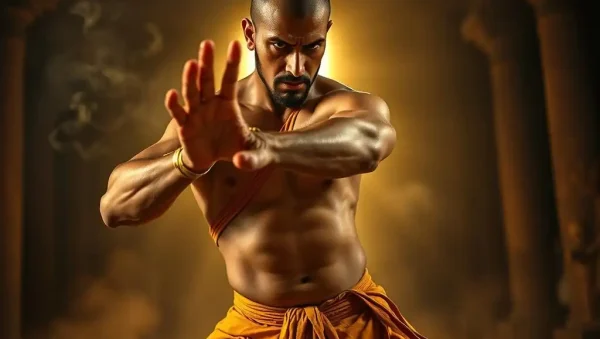
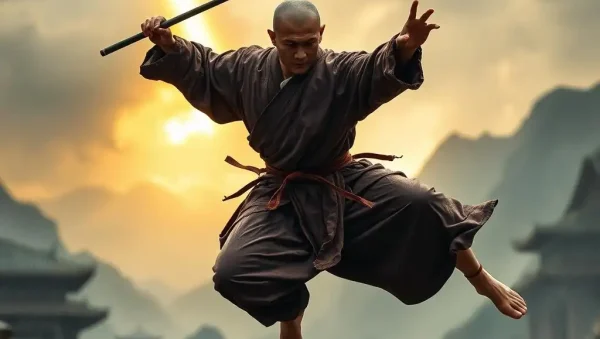
Trade routes like the Silk Road were not only for goods but also for fighting knowledge. Indian martial arts, such as kalaripayattu (circa 200 BCE), traveled to China via Buddhist monks, influencing Shaolin kung fu. In return, Chinese staff and empty-hand techniques spread to Korea, Japan, and Southeast Asia. This exchange created hybrid systems like Okinawan karate, which merged Chinese kung fu with local te.
Understanding this transmission clarifies why techniques repeat across continents—like kicking patterns in Muay Thai and savate. It also explains philosophical overlaps, such as the flow of qi in Chinese arts and prana in Indian systems. For contemporary students, tracing your martial art’s lineage sparks curiosity and encourages cross-training, breaking the myth of isolated, pure systems.
⚔️ Mythology, Religion, and Martial Rituals
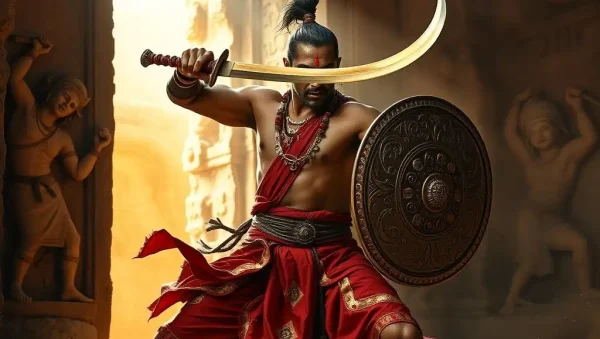
Ancient martial arts were inseparable from spirituality and myth. Hindu epics like the Mahabharata describe mace combat by divine warriors, while Japanese Shinto rituals incorporate sword symbolism. Chinese Taoism birthed tai chi as a moving meditation for health and combat. These traditions viewed fighting as a path to enlightenment, not just violence.
Such spiritual roots explain modern customs: bowing in karate, the gi uniform’s significance, and the meditation before judo matches. Practitioners who explore these origins often report deeper focus and respect for their training partners. Additionally, this perspective helps you see martial arts as holistic—uniting mind, body, and spirit—rather than merely self-defense tactics for the street.
🗺️ Indigenous and African Martial Heritage
Older than many Asian systems, indigenous and African martial arts offer unique global perspectives. For example, Capoeira emerged among enslaved Africans in Brazil as a disguised fight-dance, while the Zulu’s butjha staff techniques predate colonial contact. Australian Aboriginal combat paintings show spear-throwing drills thousands of years old. These arts often integrate music, storytelling, and community bonding.
This subcategory highlights how martial arts served as resistance, identity, and celebration. Modern adaptions include African-influenced self-defense programs and holistic training that uses rhythm for timing. By acknowledging these contributions, you enrich your own practice with diverse footwork, flexible strikes, and a deeper understanding of martial culture beyond wrestling or karate.
Frequently Asked Questions
What is the oldest known martial art in recorded history?
Wrestling is among the oldest, with Egyptian tomb paintings from 2400 BCE depicting techniques. However, unarmed combat records in Sumeria and China date back similarly. No single art is definitively oldest, as every civilization independently developed fighting methods, but surviving evidence points to grappling as humanity’s foundational martial practice.
How did Asian martial arts differ from European ancient combat systems?
Asian systems, like kung fu and kalaripayattu, often emphasized flowing strikes, meditation, and animal forms, integrated with philosophy and health. European arts, such as Greek pankration or Roman gladiatorial combat, focused more on direct athletic competition, military tactics, and strength. Yet both shared principles like balance, timing, and respect for opponents.
Can modern martial artists trace their style to ancient origins?
Yes, most modern arts have documented lineages. For instance, karate evolved from Okinawan te influenced by Chinese kung fu, which traces to Indian Buddhism via the Silk Road. Similarly, Brazilian jiu-jitsu derives from Japanese judo, which has roots in feudal samurai grappling. Researching your art’s history deepens your appreciation for techniques.
Why did ancient societies develop martial arts beyond warfare?
Survival was primary, but martial arts also served ritual, sport, education, and spiritual growth. Greeks used pankration for Olympic glory, Indians for mental discipline, and Africans for community bonding. These purposes made fighting a tool for personal excellence, social cohesion, and cultural identity, not just battlefield efficiency.
Are there ancient martial arts still practiced unchanged today?
Very few remain unchanged. Kalaripayattu and certain Shaolin forms preserve old techniques but have evolved. Pankration is revived in modern MMA, but rules differ. Even tai chi has systematic changes. However, the core principles—leverage, breathing, timing—persist. The essence survives, but adaptation remains vital for relevance and safety.