RNC Setups from Standing: A Surprise Attack Vector
🚨 Unlock the devastating potential of the Rear Naked Choke (RNC) setup as a surprise attack vector. This article reveals how to…
Read article
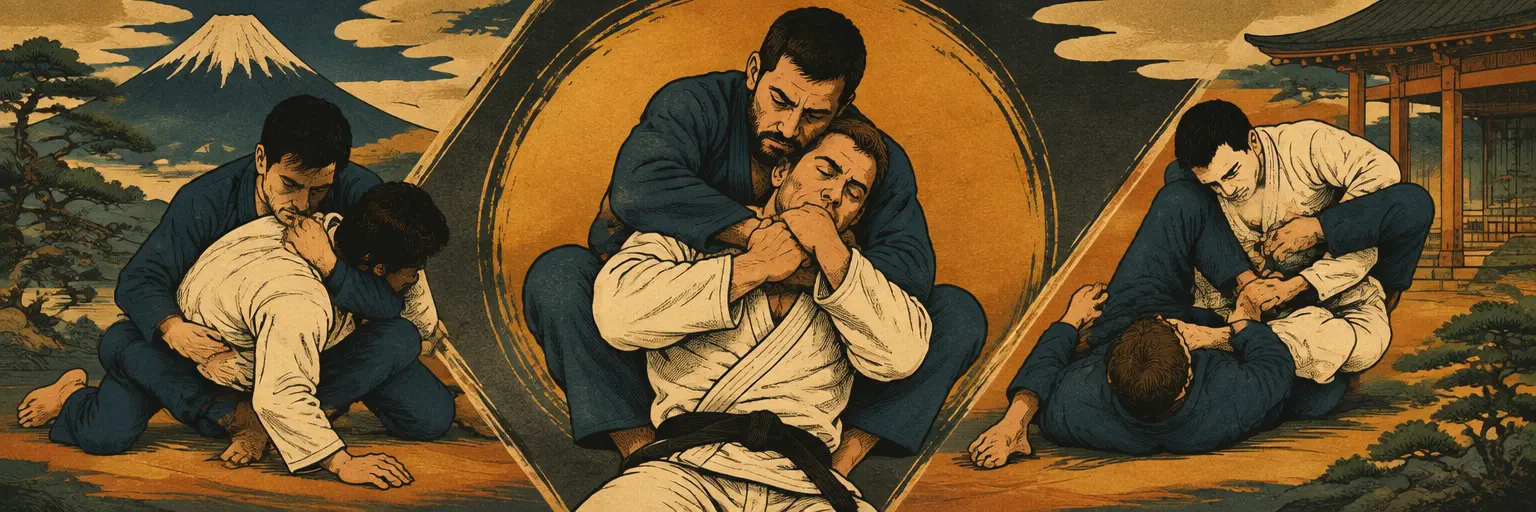
Master the most coveted techniques in Brazilian Jiu-Jitsu with our deep dive into chokes — the ultimate equalizer on the mat. From the iconic Rear-Naked Choke (RNC) to the devastating Guillotine and the powerful Triangle, these submissions don’t rely on brute strength but on precise angles, leverage, and timing. Whether you’re a white belt building your foundation or a seasoned grappler refining your finishing mechanics, understanding *how* and *when* to attack the neck transforms your entire game. Learn the subtle hip shifts for a tighter RNC, the grip-fighting secrets behind a high-percentage Guillotine, and the leg-over-shoulder details that make your Triangle inescapable. These chokes are not just moves—they are strategic weapons for both self-defense and competitive dominance. Unlock the anatomy of blood chokes versus air chokes, avoid common counters, and discover drills that build the instinctive reactions needed to catch any opponent. Elevate your rolling sessions and leave every match with a true submission threat. Dive into the details that separate average grapplers from submission artists. Your path to choking mastery starts here. Train smart. Finish fast. Tap often.
🚨 Unlock the devastating potential of the Rear Naked Choke (RNC) setup as a surprise attack vector. This article reveals how to…
Read article
🥋 Mastering the Guillotine choke technique fails often stem from improper positioning, rushed execution, or lack of control. Avoid these common mistakes…
Read article
🔥 Unlock the secrets of the Triangle choke body mechanics to maximize leverage and control. Mastering this fundamental technique enhances your martial…
Read article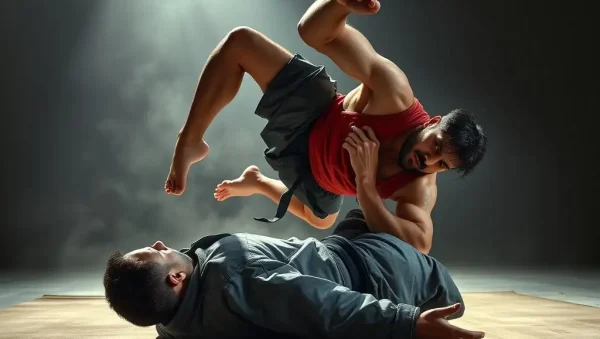
🥋 Discover the powerful Guillotine sweep submission technique, seamlessly combining a sweeping move with a submission. Master this versatile martial arts move…
Read article
🔥 Discover the critical moments in "Escaping a Deep Triangle" where fighters face the point of no return. Master essential Triangle choke…
Read article
🚨 Master the "Short Choke," a devastating RNC variation for inescapable control on MartialArtsMastery.org. Learn this tight-spot submission technique and elevate your…
Read article
🔥 Discover how the MMA guillotine choke techniques revolutionize submission strategies, blending history, precision, and power—empowering fighters worldwide to master this game-changing…
Read articleWelcome to the definitive guide on Brazilian Jiu-Jitsu’s most potent finishing tools: the Rear-Naked Choke, Guillotine, and Triangle. These three submissions are the backbone of any grappler’s arsenal, blending timing, leverage, and positional control to end fights decisively. For the dedicated martial artist at Martial Arts Mastery, understanding these chokes is not just about winning rolls—it’s about internalizing the strategic depth of BJJ. This page breaks down each technique’s mechanics, setups, finishing details, and common counters, ensuring you gain actionable knowledge to elevate your game immediately.
The Rear-Naked Choke is universally regarded as the highest-percentage submission in grappling, primarily because it attacks from the most dominant position: the back. Unlike many chokes that rely on strength, the RNC is a pure blood choke that constricts the carotid arteries, leading to a rapid, painless loss of consciousness if not escaped. Its efficiency makes it a fundamental skill for both self-defense and sport BJJ, as control of the back negates most striking defenses and neutralizes an opponent’s size advantage.
Executing the RNC requires precise hand placement: one arm wraps around the neck, with the bicep pressing against one side of the throat, while the other hand grips the first wrist or bicep to create a powerful figure-four constriction. The critical detail is to attach the choking arm high under the chin and simultaneously squeeze the elbows together while pinning the opponent’s hips with your own. Many beginners fail by leaving gaps; constant pressure on the chest and a tight “chest-to-back” connection are non-negotiable for a clean finish.
The Guillotine is a front-headlock attack that thrives on aggression and rapid transitions, making it a favorite for both novice and elite grapplers. It works exceptionally well against opponents who shoot for takedowns with poor posture, offering a powerful counter that can instantly shift momentum. In sport BJJ, it is equally effective from the guard, butterfly guard, or as a reaction to an opponent sprawling, providing a high-risk, high-reward submission that also serves as a strong positional control tool.
The classic guillotine involves wrapping one arm around the opponent’s neck (palm-to-palm grip) and lifting their head upward while cutting your opposite arm deep under their chin. Key finishing mechanics include pulling the opponent’s head tightly into your armpit, arching your back, and using a “crunch” of your shoulders. For maximum efficiency, learn the “no-arm” variation where the non-choking hand grips your own lat, increasing blood-flow restriction. Always angle your body to avoid having your guard passed, and remember: the guillotine is won by posture control, not brute pulling.
The Triangle choke from the closed guard is a masterpiece of anatomical leverage, using your legs—the strongest muscles in the body—to strangle a much larger opponent. This submission is a strategic masterpiece because it lures the opponent into a false sense of safety, encouraging them to posture up, only to trap their head and arm in a devastating web of shin and thigh pressure. It is a fundamental weapon for smaller practitioners, proving that technique truly overcomes size when applied with precision.
To finish the triangle, you must first secure an overhook on one of the opponent’s arms, then swing your opposite leg over their shoulder, locking your ankle behind your knee of the other leg. The magical adjustment is repositioning your shin across their carotid artery while pulling their head down and pivoting your hips perpendicular to them. Common mistakes include leaving space between your leg and their neck or failing to pull the arm across the midline. Squeeze your knees together while elevating your hips, and the choke will close like a vice around their neck.
Understanding the isolation of a choke is only half the battle; the other half is creating the opportunity. High-level BJJ relies on chaining submissions with sweeps and positional changes. The RNC often arises from taking the back after forcing an opponent to defend a kimura or armbar. Similarly, the guillotine is frequently hit as a counter to a takedown attempt or as a scramble move when the opponent exposes their neck. The triangle is classic from closed guard, but is also accessible from the mount or top half-guard when you can isolate an arm.
Key combos to drill: Triangle to Omoplata when the opponent postures out; Guillotine to Anaconda for front headlock control; and RNC to Bow-and-Arrow when transitioning from the back to a collar choke. The secret to fluid offense is not forcing a single submission but using each choke as a lever to create reactions you can exploit. By understanding the common defenses—hand-fighting, posture, and hip escape—you can preemptively switch your attack, keeping your opponent perpetually one step behind.
Even advanced grapplers fail on chokes due to minor but crucial technical errors. For the RNC, the most frequent mistake is placing the choking arm too low on the neck, which turns it into a jaw crank rather than a blood choke. For the guillotine, failing to keep the elbow tight to the body allows the opponent to slip their head out. For the triangle, leaving a large gap between your shin and their shoulder reduces pressure dramatically. Each choke requires specific, micro-adjustments that transform a painful crank into a clean, irrefutable tap.
Always prioritize connection over squeeze—you shouldn’t be exhausting your muscles but using your skeletal structure and body weight. For the RNC, think of driving your wrist bone against the artery. For the guillotine, pull the head down while lifting your elbows. For the triangle, rotate your hips upward and bring your heel toward your glute. Lastly, control the opponent’s posture and arm positioning before engaging the choke; a well-positioned choke requires less force and yields faster results. Drilling slow, mindful reps will embed these details into muscle memory.
A blood choke, like the RNC or triangle, restricts blood flow via the carotid arteries to the brain, causing a quick, painless unconsciousness. An air choke compresses the windpipe, which is painful and slower but often uses more strength. Blood chokes are generally preferred in BJJ for their efficiency and safety, as they cause less local trauma.
Keep your head high and tucked to the opposite side of the opponent’s body when shooting. Your ear should be glued to their hip, and your arms should wrap around their thighs, not their torso. This posture prevents them from easily wrapping your neck, and you must immediately posture up or drive through the takedown if they attempt the choke.
Yes, the triangle is an excellent equalizer because it uses your legs and leverage against a larger opponent’s upper body. The critical factor is achieving the correct angle and closing the space with your shin, not your strength. A properly locked triangle applies immense pressure to the carotid arteries, rendering size nearly irrelevant.
Short arms require extra emphasis on body positioning. You must secure a deep “seatbelt” grip under the armpit and flatten your chest to their upper back. Instead of squeezing tightly, pull with your hands while expanding your chest to create pressure. You can also finish with a palm-to-palm grip rather than a figure-four to reduce reach requirements.
Posture up immediately, and do not let them control one of your arms. If the triangle is applied, stack your opponent by driving your shoulder into their groin and lifting them onto their neck. This loosens their legs and allows you to slide your head out. Alternatively, you can “walk” around their head to expose their back before they fully close the triangle.







