Jack Broughton's Rules: The Dawn of Order in Pugilism's Chaos
🥊 Explore how Jack Broughton's pioneering pugilism rules transformed chaotic boxing into a structured sport, shaping pugilism rules history and origins. Discover…
Read article
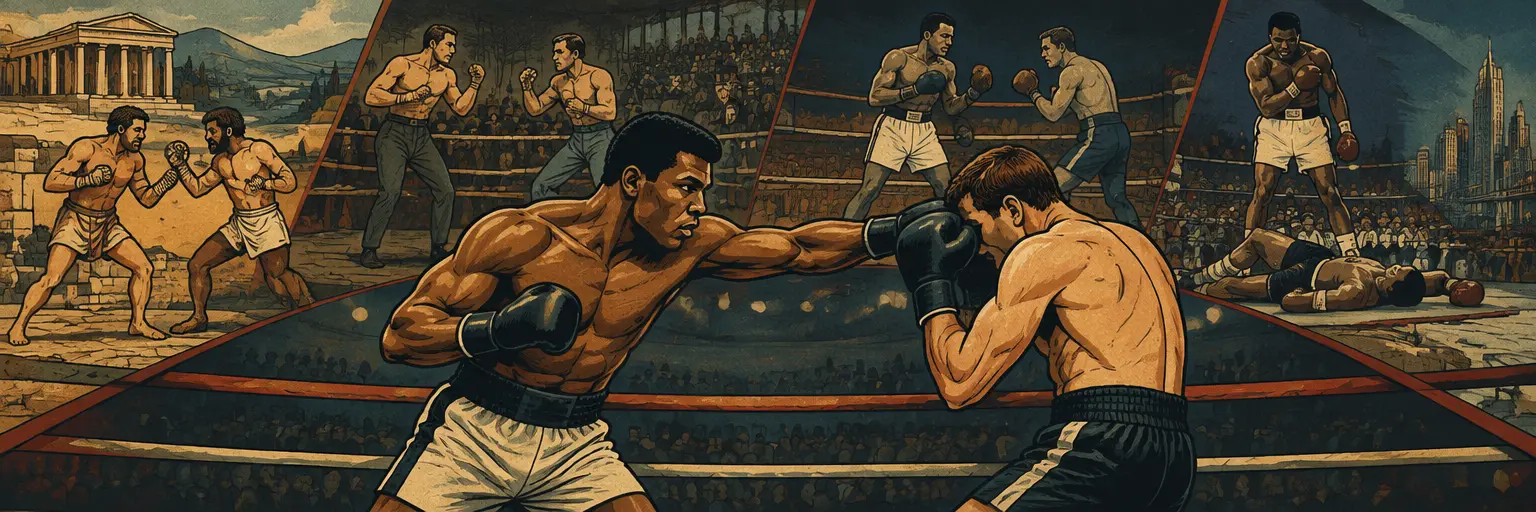
Dive into the rich tapestry of Western Boxing, a sport that evolved from brutal bare-knuckle brawls into the refined “sweet science” of strategy, speed, and precision. This journey traces the transformation of pugilism through the 18th-century London prize rings, the revolutionary Queensberry Rules, and the rise of iconic champions who shaped its technical vocabulary. Explore how footwork, head movement, and defensive mastery became as celebrated as raw power, and how the sport’s cultural impact spans from illegal street fights to global mega-events. Perfect for enthusiasts and practitioners alike, this chronicle uncovers the tactical innovations, legendary rivalries, and shifting philosophies that define modern boxing—from John L. Sullivan to Muhammad Ali and beyond. Understanding this evolution not only enriches your appreciation of the art but also reveals core principles of timing, distance, and resilience applicable to any martial discipline. Step into the ring and uncover the history that made boxing a timeless test of will and intellect.
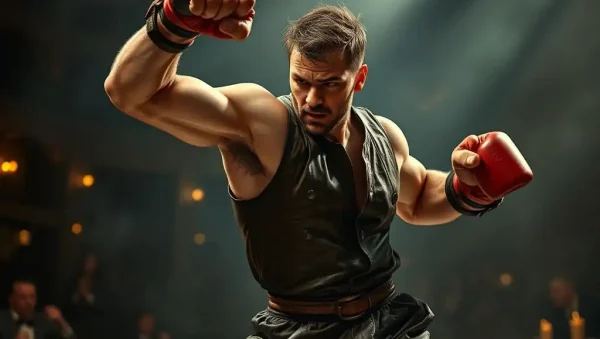
🥊 Explore how Jack Broughton's pioneering pugilism rules transformed chaotic boxing into a structured sport, shaping pugilism rules history and origins. Discover…
Read article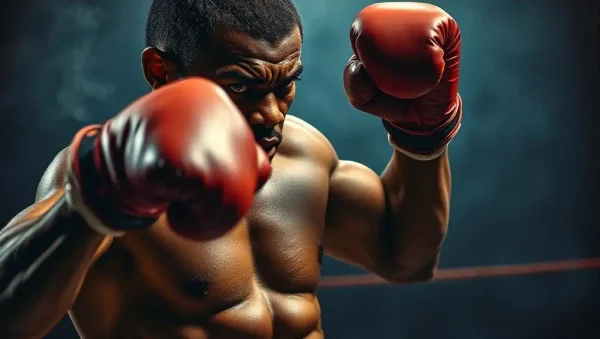
🥊 Explore how boxing mirrors life's struggles and triumphs, revealing a profound philosophy that emphasizes resilience, discipline, and perseverance. Delve into the…
Read article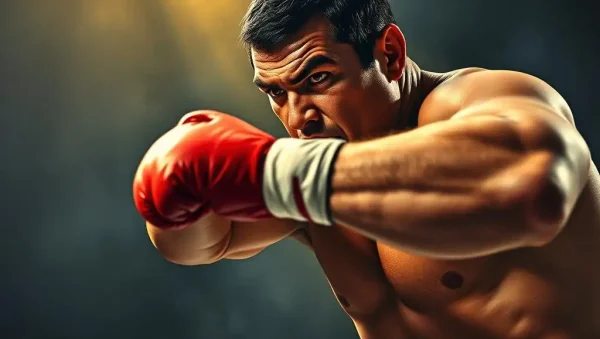
🥊 Discover how 1950s boxing, led by the legendary Marciano, revolutionized the sport through the rise of television, transforming it into a…
Read article
🥊 Exploring the "Great White Hope" era reveals how boxing racism's historical impact fueled racial tensions and shaped the sport's legacy, highlighting…
Read article
Boxing in the Victorian era was a brutal dance of raw power, yet it was also a period of significant reform. Discover…
Read article
🥊 Dive into the 1920s boxing historical analysis to uncover whether this era truly marked boxing’s golden age, exploring legendary fighters, transformative…
Read article
🥊 Explore the fascinating defensive boxing techniques history, tracing its evolution from legendary masters to modern strategies. Discover how this art emphasizes…
Read article
🥊 Delve into the rich history of "Boxing technique evolution strategies" on MartialArtsMastery.org. Uncover how centuries of scientific sparring shaped the art,…
Read articleWelcome to the definitive guide on Western Boxing’s rich past and dynamic transformation. This subcategory traces the sport from ancient fist-fighting contests through the brutal bare-knuckle era, the Marquess of Queensberry rules, and into today’s multi-billion-dollar global industry. You’ll uncover how social, cultural, and technological shifts shaped boxing’s techniques, champions, and public perception. Whether you’re a budding fighter, a boxing historian, or a fitness enthusiast, this resource illuminates the pivotal moments and legendary figures that forged the “sweet science” we know today.
Before gloves, boxing was a raw, often brutal affair with little regulation. Bare-knuckle bouts, popular in 18th-century England, emphasized stamina, head movement, and defensive savvy because hitting with bare fists risked broken hands. Champions like Jack Broughton introduced the first rules in 1743, banning low blows and eye-gouging, but fights still ran until a man fell. The shift to padded gloves began in the 1860s with the London Prize Ring rules, yet the real game-changer was the 1867 Marquess of Queensberry rules, which mandated gloves, three-minute rounds, and a ten-second count. This evolution made boxing safer and more strategic, paving the way for modern professional and amateur competition.
Understanding this era is crucial because the core defensive principles developed during bare-knuckle times—like slipping, rolling, and footwork—remain the foundation of today’s boxing training. The introduction of gloves ironically allowed fighters to throw harder punches without self-injury, leading to heavier reliance on power. This transition also separated boxing from underground brawls to a recognized athletic endeavor, eventually gaining Olympic status in 1904. Dive into these early chapters to appreciate how a brutal past produced the technical elegance of modern ring craft.
The 20th century produced boxing’s “Golden Ages,” defined by iconic champions who transcended sport. Jack Johnson’s 1908 heavyweight title win broke racial barriers, while Joe Louis’s “Brown Bomber” era unified America during WWII. The 1950s-1970s are often called the second golden age, featuring Sugar Ray Robinson’s artistry, Rocky Marciano’s undefeated streak, and the ferocious rivalries of Ali, Frazier, and Foreman. Ali’s speed, charisma, and political stance transformed boxing into a stage for social commentary, making him arguably the most famous athlete of the 20th century. Each champion contributed new tactics—psychological warfare, rope-a-dope, or relentless counterpunching—that enriched the sport’s technical vocabulary.
For enthusiasts, this section is a treasure trove of legendary fight breakdowns and evolutionary styles. You’ll see how heavyweights shifted from slow sluggers to agile tacticians, and how lighter divisions like welterweight and middleweight showcased pure skill. The narrative includes the rise of televised boxing in the 1960s-80s, which created global superstars like Sugar Ray Leonard and Marvin Hagler. Studying these golden eras helps modern coaches and fighters borrow proven strategies while understanding the cultural context that made each champion iconic.
From the 1990s onward, boxing has undergone a scientific revolution. Advanced sports medicine, video analytics, and periodized strength conditioning replaced rudimentary roadwork and bag sessions. Fighters now use glove sensors, sparring simulation software, and sports psychologists to gain an edge. Safety improvements, including mandatory pre-fight MRI scans, ring physician protocols, and weight-cutting guidelines, have reduced fatalities while maintaining excitement. Divisional expansion—such as the cruiserweight class in 1980 and the women’s boxing rise in the 2000s—has diversified competition, with stars like Claressa Shields and Katie Taylor drawing global attention. The business side has also evolved, with streaming platforms and pay-per-view giants reshaping revenue models.
This section explains how technology and regulation have redefined what it takes to become a champion. Expect to learn about modern training methods like high-intensity interval training (HIIT), recovery modalities such as cryotherapy, and how nutritionists craft individualized fight-week plans. You’ll also explore the fairness of judging, the use of instant replay, and the ongoing debate over amateur vs. professional rules. For aspiring fighters, this knowledge is vital to enter the sport safely and competitively in today’s landscape, where science meets raw athletic instinct.
Once a predominantly British and American sport, boxing now thrives worldwide. Mexican boxing tradition, known for pressure fighting and body work, has produced legends like Julio César Chávez and Canelo Álvarez. Eastern European schools, particularly Ukraine and Russia, emphasize technical precision and amateur excellence, while British boxing has seen a renaissance with the likes of Anthony Joshua and Tyson Fury. Simultaneously, women’s boxing gained Olympic status in 2012, dramatically raising profiles and prize purses. Cultural impact extends beyond the ring, inspiring films, fashion, and language, with boxing metaphors used in business and politics. The sport also serves as a social mobility tool in underprivileged communities globally.
By exploring this expansion, you’ll appreciate boxing as a global language of resilience and discipline. We break down distinct regional styles—from the Cuban defensive school to the aggressive Mexican pressure style—showing how culture shapes combat. You’ll find interviews and analyses of female pioneers who broke barriers, plus data on boxing’s popularity in emerging markets like Saudi Arabia and Japan. This segment is perfect for fans wanting global context and for practitioners seeking a holistic understanding of their sport’s cultural footprint.
No history is complete without its architects. Besides Ali and Johnson, figures like James J. Corbett introduced scientific footwork; Jack Dempsey popularized the bob-and-weave; and Duran’s hand speed redefined counterpunching. Trainers mattered equally: Cus D’Amato’s peek-a-boo defense, Angelo Dundee’s corner strategies, and Freddie Roach’s modern gym methods shaped generations. In the modern era, Floyd Mayweather’s shoulder roll and Vasyl Lomachenko’s angles have pushed technical boundaries. Understanding these innovators allows you to trace how specific defensive and offensive techniques emerged, evolved, and became canonical in every boxing gym.
This section serves as a biographical digest of about twenty transformative figures, each with a mini-timeline of contributions. You’ll learn how each fighter solved particular problems, such as overcoming faster opponents or outlasting larger ones. This is invaluable for coaches wanting to describe technique lineage or for fans who appreciate the “why” behind punches. We also highlight less-known but equally critical innovators like Jack Blackburn or Freddie Welsh, ensuring a thorough perspective on boxing’s technical heritage.
Western boxing traces back to ancient Greece and later 17th-century England, where prize-fighting emerged as a spectator sport. The first recognized champion, James Figg, began in 1719, and Jack Broughton’s 1743 rules set early standards. Modern boxing’s foundation was cemented with the 1867 Marquess of Queensberry rules, which introduced gloves, timed rounds, and the standing eight-count.
Those rules transformed boxing from a chaotic brawl into a regulated sport. They mandated padded gloves, three-minute rounds with one-minute rests, a ten-second knockdown count, and outlawed wrestling and hitting below the belt. This increased safety and strategic depth, allowing technical defense and combination punching to flourish, ultimately making boxing acceptable for more participants and spectators.
Many experts cite Muhammad Ali, Sugar Ray Robinson, Joe Louis, and Floyd Mayweather as top-tier. Ali’s speed and charisma changed the heavyweight division, while Robinson’s footwork and punching precision remain the gold standard. Joe Louis’s 25 consecutive title defenses and Mayweather’s 50-0 record also stand out. However, “greatest” is subjective, depending on era, competition, and style.
Safety has dramatically improved. Modern rules include required pre-fight medicals, ring-side physicians, shorter championship bouts (12 rounds from 15), and mandatory standing eight-counts for wobbled fighters. Advances in headgear technology, weight-cutting education, and post-fight concussion protocols have reduced serious injuries. Still, boxing remains inherently risky, so constant vigilance and research continue.
The future likely blends digital fan engagement, AI-driven fight analysis, and perhaps new weight classes. Streaming platforms will dominate distribution, while cross-promotion with MMA grows. Women’s boxing and international markets—especially in Asia and the Middle East—will expand. However, regulatory fragmentation and judging controversies still need solutions. Expect greater athlete advocacy for fair pay, health insurance, and unified rules.







