Discover the Vibrant World of Capoeira: Afro-Brazilian History, Music, and Movement
Welcome to Capoeira (Afro-Brazilian): History, Music, and Movement, your definitive guide within Individual Martial Arts Styles at MartialArtsMastery.org. This subcategory unpacks the unique blend of fight, dance, ritual, and resistance that defines Capoeira. Here, you’ll explore its deep African roots, the rhythmic heartbeat of the berimbau, and the acrobatic sequences that make it a global phenomenon. Perfect for beginners and advanced practitioners alike, this resource connects historical context with practical movement insight, all optimized to elevate your understanding of this iconic Afro-Brazilian art.
🕰️ The Origins and Historical Evolution of Capoeira
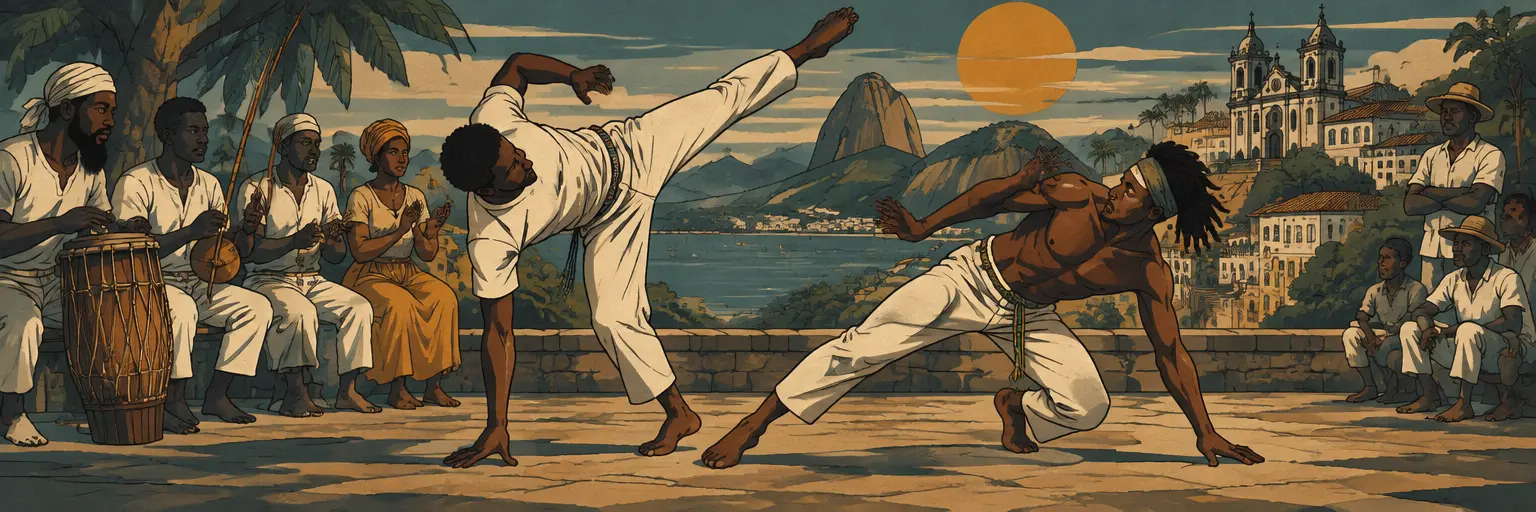
Dive into the 16th-century beginnings of Capoeira, born from enslaved Africans in Brazil who disguised combat training as dance. You’ll learn how the art served as a tool for survival, rebellion, and cultural preservation, with key figures like Mestre Bimba who formalized Capoeira Regional in the 1930s. This section traces its illegalization, resurgence, and UNESCO recognition as Intangible Cultural Heritage, offering a timeline of resistance that shaped modern practice.
Expect to uncover the sociopolitical forces—from colonization to urbanization—that transformed Capoeira from a hidden fight to a celebrated martial art. We emphasize historical accuracy alongside engaging storytelling, including the role of quilombos (runaway slave communities) and the legal crackdowns that forced Capoeira underground. This history is essential for any practitioner seeking authentic context for their training.
🎵 The Rhythmic Soul: Instruments, Songs, and Musical Structure
Capoeira is inseparable from its music, led by the berimbau (a single-string bow instrument) controlling the game’s speed and style. Explore the orchestra of atabaque drums, pandeiros, and agogô bells, plus the call-and-response singing in Portuguese that narrates stories of struggle and triumph. This section breaks down the ladainha, chula, and corridos song forms, giving you a practical roadmap to participate actively in the roda (circle).
By understanding rhythms like Angola, São Bento Grande, and Iúna, you’ll learn how music dictates movement—from slow, low games to fast, acrobatic exchanges. We provide audio-visual cues, notation basics, and cultural etiquette, ensuring you not only hear but feel the musical dialogue that makes Capoeira a living art. Enhance your training by mastering the songs that carry centuries of ancestral memory.
🤸 Core Movements, Sweeps, and Acrobatic Transitions
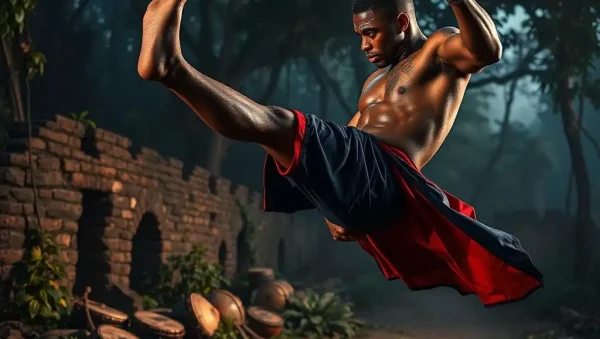
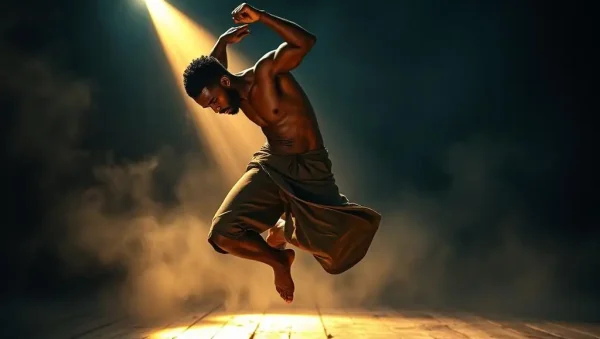
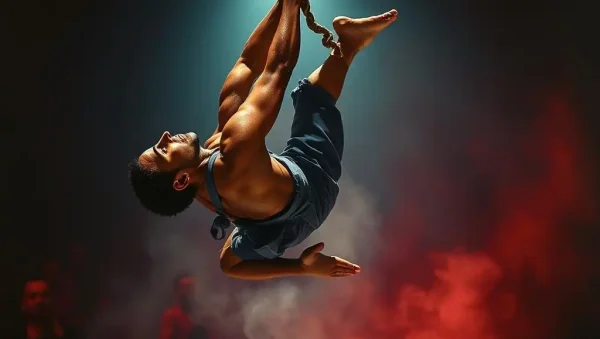
Master the fundamental lexicon of Capoeira movement: the ginga (base rocking step), esquivas (evasions), kicks like meia lua de frente and martelo, plus handstands and cartwheels. This section offers biomechanical breakdowns, common mistakes to avoid, and progressive drills for building flexibility and flow. You’ll see how movements are performed as a dialogue, not attacks, emphasizing rhythm, timing, and strategic feints.
Beyond isolated techniques, we cover transitional sequences—like the negativa to queda de rins—that define Capoeira’s fluidity. Expect guidance on injury prevention, proper alignment, and conditioning exercises tailored for ankle, core, and shoulder strength. Whether you’re a beginner learning your first ginga or a veteran refining blade-sharp sweeps, this content bridges theory and practical application for safe, expressive movement.
🥋 Training Methodologies and the Roda Experience
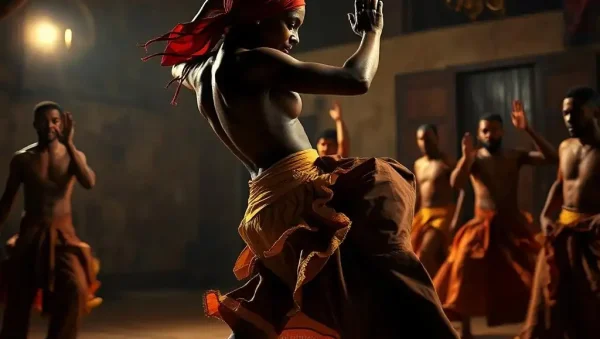
What makes Capoeira training unique is the roda—a ritualized circle where two players exchange movements to music. This section explains the structure of a roda: the hierarchical role of the mestre, the ritual of kneeling, and the dialogue between players. Learn about training formats such as Capoeira Angola’s slower pace versus Regional’s athleticism, helping you choose a style that matches your goals—be it fitness, artistry, or self-defense.
Discover how modern academies blend serious martial technique with playful trickery, fostering creativity under pressure. We’ll share sample class formats, solo drilling methods, and partner exercises that simulate the energy of a live roda. By internalizing the etiquette and invisible rules—like protecting your partner while maintaining a beautiful game—you’ll gain confidence to enter any circle with respect and skill.
🌍 Capoeira’s Global Impact, Philosophy, and Self-Defense Value
From Salvador da Bahia to Tokyo, Capoeira has spread as a tool for empowerment, social change, and mental resilience. Examine its philosophical tenets—malícia (deception or trickery) and mandinga (magic or charm)—applied literally in combat and metaphorically in life. This section also evaluates Capoeira as a self-defense system: its evasive footwork improves distance management, while kicks develop explosive power and spatial awareness, though you’ll learn its limitations without striking practice.
Explore community projects that use Capoeira for youth development, rehabilitation, and cross-cultural dialogue. We highlight modern adaptations in fitness and performance, yet remain rooted in Afro-Brazilian heritage. Expect critical analysis of appropriation versus appreciation, ensuring you engage ethically and informedly. Whether seeking sport, art, or personal growth, this perspective enriches your journey beyond the mat stadium.
Frequently Asked Questions
Is Capoeira effective for real-world self-defense?
Yes, but with caveats. Capoeira excels in evasive footwork, head movement, and kicks, teaching you to be mobile and unexpected. However, traditional training often lacks focus on hand strikes, takedown defense, or ground fighting. For practical self-defense, supplement with boxing or BJJ, while using Capoeira’s timing and counterattacking flow to create escapes and powerful strikes in open space.
Do I need musical talent to practice Capoeira?
No. Singing and playing instruments are taught progressively in most academies. You start by clapping and repeating simple songs, then progress to the pandeiro and later the berimbau. The musicality enhances your movement rhythm and cultural appreciation, but beginners are never expected to be virtuosos—just willing participants who embrace the learning process.
What’s the difference between Capoeira Angola and Regional?
Capoeira Angola is characterized by slower, lower, and more ritualistic play, emulating the traditional style from the 1920s. Regional, created by Mestre Bimba, is faster, higher, and more athletic, with a focus on structured sequences and competition. Many modern schools blend both styles (called Contemporânea), so you can choose your preference based on your fitness level and artistic taste.
How long does it take to get good at Capoeira?
Assume a 6-12 month period to feel comfortable with the basic ginga, esquivas, and a few kicks. Achieving functional fluidity in the roda typically takes 2-4 years of consistent practice, depending on training frequency and athletic background. Ranks (cordas) vary by school system, but true mastery—often conceptualized as jogo de corpo—is a lifelong pursuit beyond certification.
Can children or older adults practice Capoeira safely?
Absolutely. Capoeira’s low-impact variants are adaptable for all ages. Children develop coordination, confidence, and social skills, while older adults benefit from flexibility, balance, and cognitive engagement. Beginners with health concerns should start with a qualified mestre, emphasizing Angola-style movements and gentle exercises. Always warm up thoroughly and listen to your body’s limits—Capoeira is for everyone, regardless of origin or age.