Capoeira: Ginga, Kicks, and Acrobatics – The Dance-Fight of Brazil
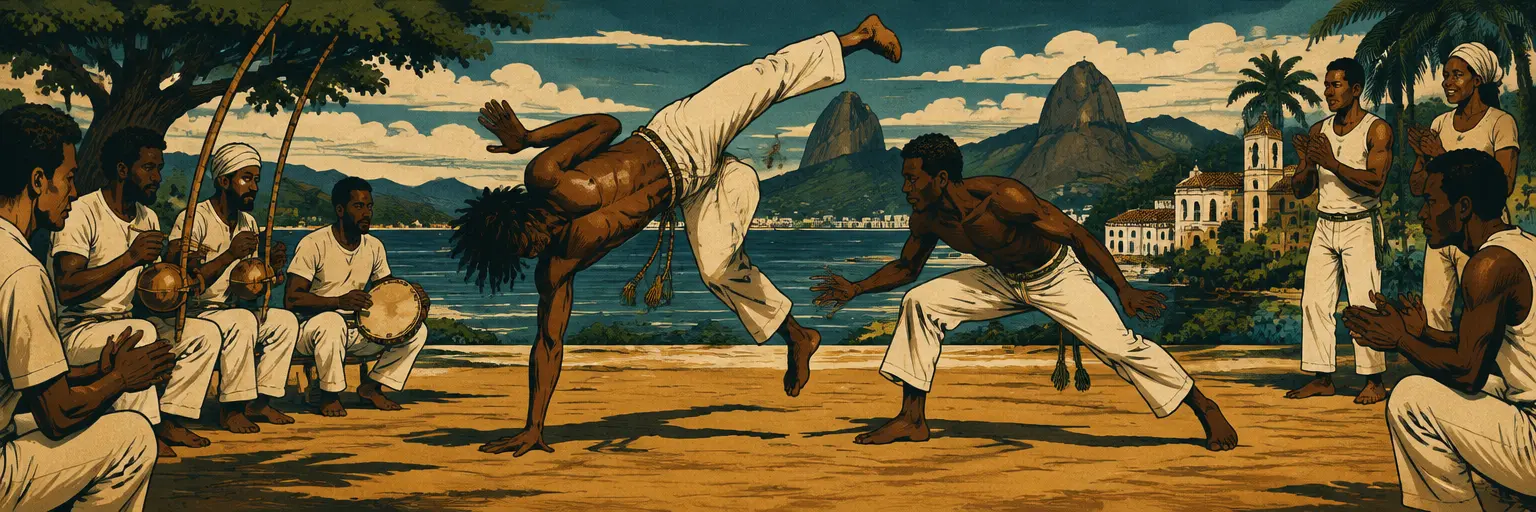
Welcome to the vibrant world of Capoeira, a unique Afro-Brazilian martial art that disguises combat as dance, music, and ritual. Within the Individual Martial Arts Styles section of Martial Arts Mastery, this subcategory dives deep into the ginga (the foundational swaying step), the explosive kicks, and the breathtaking acrobatics that define this dynamic art. Whether you are a curious beginner or a seasoned practitioner, here you will uncover the rhythmic genius, the technical precision, and the cultural soul that make Capoeira one of the most expressive and effective fighting systems in the world. Explore the fusion of attack, evasion, and artistry that turns every roda (circle) into a living conversation of movement.
🕺 The Ginga: The Heartbeat of Capoeira
The ginga is more than a simple step; it is the constant, swaying motion from which all Capoeira techniques flow. Derived from African dance rhythms and Brazilian samba, this triangular footwork keeps you in perpetual motion, making you an unpredictable target while creating the space to launch kicks or escape attacks. Mastering the ginga builds the core stability, leg endurance, and rhythmic timing essential for every other move in the art.
In this section, you will learn the precise mechanics of the ginga—how to shift your weight, position your hands for defense, and synchronize your breath with the berimbau’s beat. We break down common mistakes (like stepping too wide or dropping your guard) and offer drills to develop fluidity. Expect step-by-step visual breakdowns, biomechanical insights, and tips to make your ginga feel natural, not forced. This foundational movement is your gateway to flowing like a true capoeirista, turning every session into a rhythmic dialogue.
🥋 Explosive Kicks: From Meia Lua to Armada
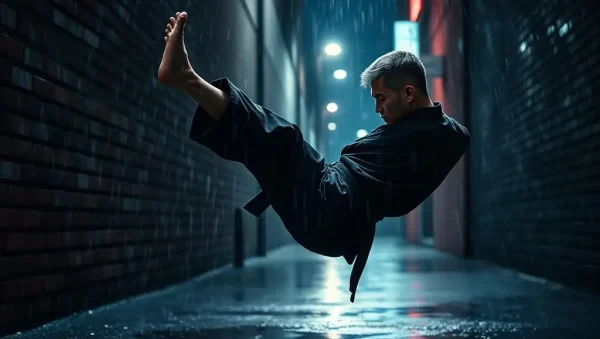
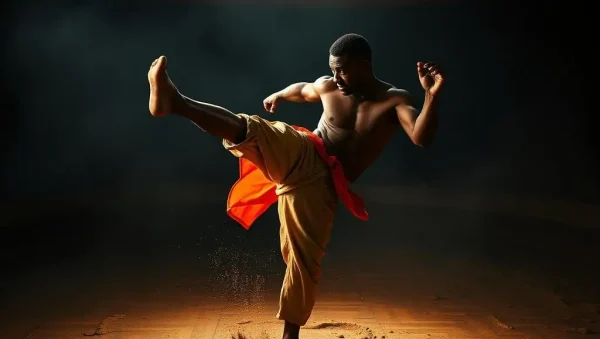
Capoeira’s arsenal of kicks is renowned for its agility, range, and surprise factor. From the sweeping meia lua de frente (half-moon front kick) to the spinning armada and the razor-sharp martelo (hammer kick), each technique combines hip power with angular momentum. These kicks are designed to hit from unexpected angles, often while your opponent is focused on your opponent’s swaying torso, not your flying leg.
Here, we dissect each major kick: stance preparation, foot placement, hip rotation, and follow-through. You’ll also discover how to chain kicks seamlessly with evasive escapes like the esquiva and negativa. Practical tips include targeting vulnerable areas (knees, ribs, and head) and maintaining balance during high-speed spins. We also cover drills to increase leg flexibility and striking power, ensuring you develop kicks that are both beautiful and brutally effective in a self-defense context.
🤸 Acrobatics: The Aerial and Inverted Repertoire
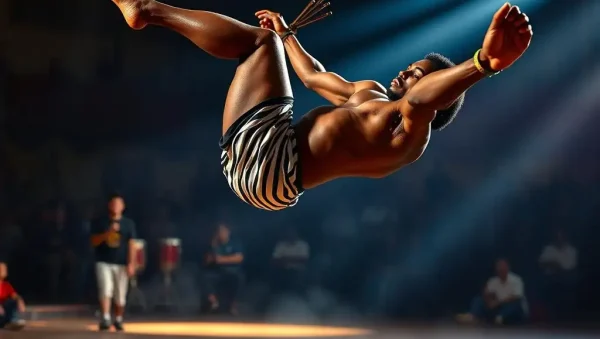
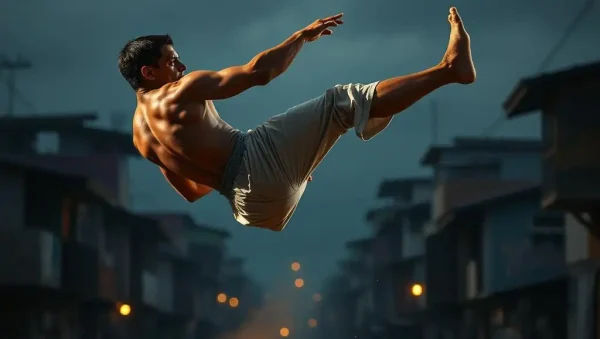
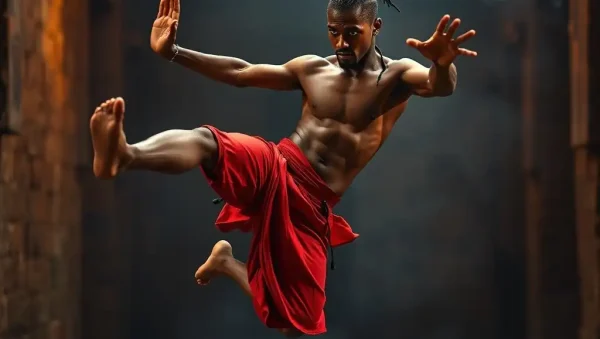
No other martial art blends acrobatics with combat quite like Capoeira. Moves like the au (cartwheel), macaco (backflip), mortal (somersault), and handstands serve dual purposes: they evade attacks, reposition you unpredictably, and disorient opponents, while also acting as a visual spectacle. These acrobatic elements build explosive power, spatial awareness, and fearlessness, transforming your body into a coiled spring of dynamic potential.
This section is your progressive guide from basic cartwheels to advanced aerial flips, with warm-up routines, progressions, and safety tips to prevent injuries. We emphasize proper alignment, shoulder strength, and landing mechanics to protect your joints. For self-defense, you’ll learn how to use acrobatics to quickly escape from ground positions or close distance with a surprising, low-profile roll. Expect video-linked breakdowns and common error corrections to help you move from clumsy to graceful, all while preserving the combat logic behind every flourish.
🎶 Music, Rhythm, and the Roda: The Soul’s Connection
Capoeira is inseparable from music. The berimbau (single-string bow), atabaque (drum), and pandeiro (tambourine) set the tempo, while traditional ladainhas (songs) and call-and-response corridos guide the speed and style of the game. The roda—the circle where two participants exchange movements—is the ultimate expression of this art, combining fight, play, and ritual under the watchful eyes of the mestre (master).
In this part, we explore how to listen to the music and interpret rhythm to dictate your movement. You’ll understand the different toques (rhythms) like São Bento Grande (fast and aggressive) versus Angola (slow and sly), and how to match your kicks and acrobatics accordingly. We also cover song phrases, their cultural meanings, and how to participate in a roda respectfully. This cultural immersion not only deepens your technical skill but also connects you to the art’s African roots and Brazilian heritage, making you a more complete and authentic practitioner.
🛡️ Self-Defense Applications: From Flow to Fight
Beyond its beauty, Capoeira is a highly effective self-defense system. Its core philosophy—“dance like a butterfly, strike like a snake”—teaches you to evade, destabilize, and counterattack using momentum and deception. The ginga keeps you moving, making you harder to hit; the kicks target vulnerable spots; and the acrobatics allow rapid escapes from grabs or ground positions. Unlike static striking arts, Capoeira’s fluid footwork excels in chaotic, real-world scenarios.
Here, we translate roda techniques into practical self-defense drills. You’ll learn to use esquivas (ducking and weaving) to avoid punches, convert a cartwheel into a quick unorthodox stance change, and apply low kicks to sweep an attacker off balance. We discuss situational awareness, distance management, and how to use props (like chairs or walls) as allies. With a focus on real-world adaptability, this section ensures that your Capoeira is not just a performance, but a lifeline in dangerous encounters.
Frequently Asked Questions
Is Capoeira difficult to learn for beginners?
Capoeira has a steep learning curve due to its unique coordination and musicality, but it is accessible to all fitness levels. Beginners start with the basic ginga and simple kicks, gradually adding acrobatics and music. Consistency and patience are key, as progress is measured in fluidity, not just speed.
Do I need to be flexible to practice Capoeira?
No, but flexibility helps. Capoeira training naturally improves flexibility through dynamic stretching and repeated kicking motions. Nova capoeiristas often gain significant range over a few months without prior gymnastics. Always warm up properly to avoid strains.
Can Capoeira be used effectively in a street fight?
Yes, when adapted. Its evasion and low kicks are practical, but high acrobatics are risky. In self-defense, use the ginga to create distance and target knees or legs with sweeping kicks. The art’s unpredictability is a real advantage.
What is the difference between Capoeira Regional and Angola?
Regional, developed by Mestre Bimba, is faster, more upright, and focuses on lethal kicks and acrobatics. Angola, older, is slower, lower to the ground, and emphasizes cunning, trickery, and playfulness. Both share the ginga, but their rhythm and strategy differ greatly.
How long does it take to advance from beginner to intermediate?
With regular practice (2-3 times weekly), most students reach intermediate level in 1-2 years. This includes mastering the ginga, basic kicks, escapes, and beginning acrobatics like the au. Progression is marked by a belt or cord, but leadership skills take longer.