SelfCorrection in Iaido: Developing an Eye for Your Own Form
🌟 Master your Iaido with the "Eye for Your Own Form" guide on MartialArtsMastery.org. Uncover crucial Iaido self-correction technique flaws and elevate…
Read article
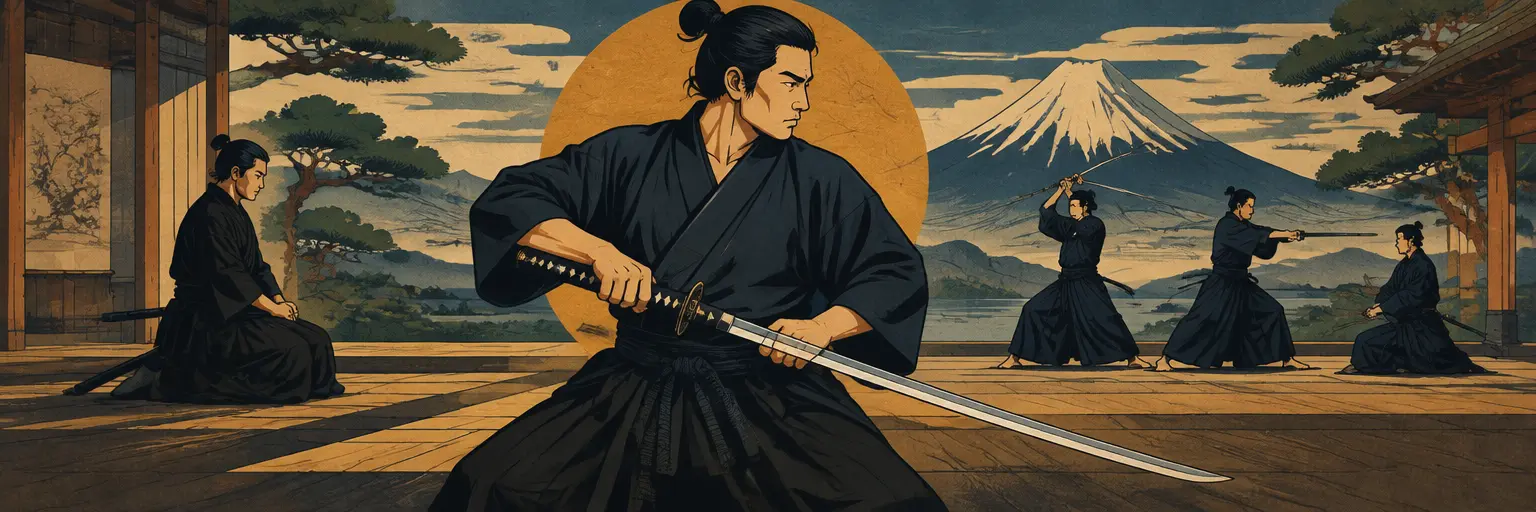
Iaido is the tranquil yet powerful Japanese martial art of drawing the sword, where every movement flows from stillness into decisive action. Unlike sparring or fast-paced combat drills, Iaido emphasizes precision, mindfulness, and controlled grace, making it a unique practice that blends meditation with martial technique. Through kata—prearranged solo forms—practitioners simulate real encounters, learning to draw, cut, and resheath the blade with fluid efficiency while cultivating a calm, focused mind. Perfect for those seeking discipline, balance, and a deep connection to samurai tradition, Iaido offers a pathway to self-mastery that transcends physical strength. Whether you are a seasoned martial artist or a curious beginner, this elegant art trains both body and spirit, transforming the sword into an extension of your intent. Explore the forms, etiquette, and philosophical depth of Iaido to discover a practice where every breath and step matters.
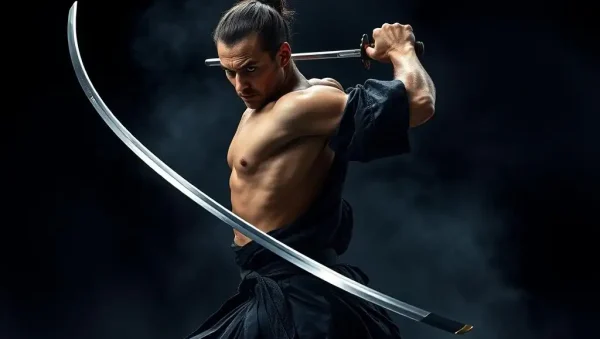
🌟 Master your Iaido with the "Eye for Your Own Form" guide on MartialArtsMastery.org. Uncover crucial Iaido self-correction technique flaws and elevate…
Read article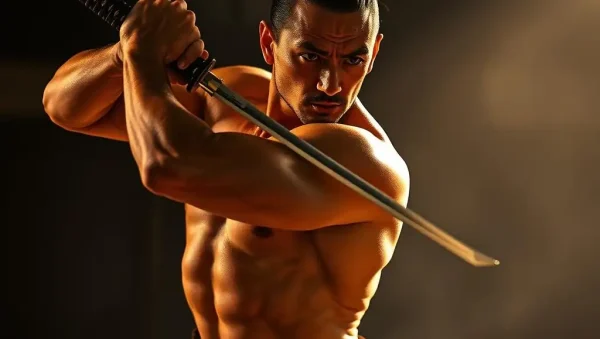
🗡️ Unlock the secrets of Iaido sword form conditioning by enhancing strength and flexibility, vital for precise, fluid movements. MartialArtsMastery.org explores effective…
Read article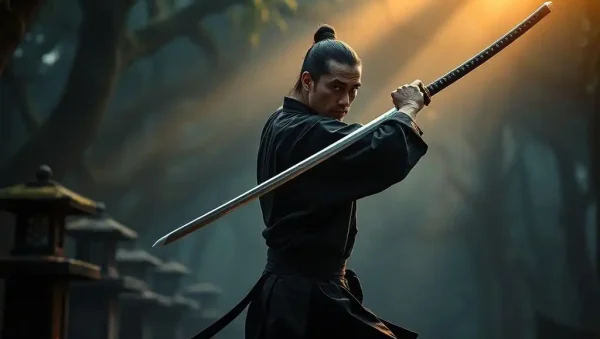
🌟 Discover how to deepen your martial arts practice through Iaido zanshin awareness maintenance, ensuring focus and presence even after executing the…
Read article
🥋 Discover how Noto embodies the spirit of completion through the Iaido sword cutting technique, transforming mere sheathing into a profound expression…
Read article
🥋 Master the intricacies of your Iaido uniform with this essential practice guide. Learn how the Gi, Hakama, and Obi contribute to…
Read article
🥋 Explore the nuanced differences in Iaido kata side-by-side comparison, highlighting the traditional Koryu approach versus the modern Seitei style. Discover how…
Read article
🌟 Struggling with stagnation in your Iaido journey? Discover effective Iaido plateau training strategies to break through barriers, refine your technique, and…
Read articleIaido is a traditional Japanese martial art centered on the smooth, controlled movements of drawing a katana, cutting, and resheathing in response to sudden attacks. Unlike sparring or competitive sword fighting, Iaido emphasizes precision, mindfulness, and the cultivation of calm under pressure. Within the "Individual Martial Arts Styles" category, this subcategory explores the foundational forms (kata), solo practice methods, and philosophical depth that define Iaido as both a combative system and a moving meditation. Here, you'll discover how practitioners train for real-world awareness, not just technique.
Every Iaido practitioner begins with solo kata, which are choreographed sequences simulating an encounter with one or more opponents. These forms, such as the Seitei-gata (standardized forms for grading) and koryu (older school-specific forms), teach body mechanics, distance control, and timing. Each movement—from the initial nukitsuke (drawing cut) to chiburi (flicking blood) and noto (resheathing)—is performed with deliberate slowness to build muscle memory and mental focus.
In this subcategory, you'll learn how to break down each kata into its essential components: stance, grip, breathing, and footwork. Regular solo practice not only refines technique but also develops a heightened sense of zanshin (awareness) that carries into daily life. Expect detailed breakdowns of common mistakes, tips for improving fluidity, and insights into why repetition is more than just drilling—it's a form of active meditation that hones the mind-body connection.
Iaido is often described as "moving Zen" because its practice requires emptying the mind of distraction. The concept of mu (emptiness) is central; you learn to execute techniques without overthinking, allowing the body to react spontaneously. This duality of being both aware and detached makes Iaido distinct from purely athletic martial arts. The subcategory explores quotes from masters like Otake Risuke and modern interpretations of katsujinken (the life-giving sword) versus satsujinken (the death-dealing sword).
Readers will find practical exercises to cultivate this mindset, such as slow-motion kata with breath control and visualization drills before actual movement. You'll understand how every draw begins with a peaceful intention, not aggression. This philosophical layer enhances your appreciation of the art and directly improves technical execution, as a calm mind yields smoother, faster cuts. Expect connections to broader Zen and samurai ethics that make Iaido a lifelong study.
As you progress, Iaido reveals hidden layers—the gokui (inner secrets) that aren't taught publicly. This subcategory covers the transition from learning surface movements to understanding the subtle application of kuzushi (breaking balance) and ma-ai (combat distance) even in solo forms. Advanced practitioners learn to adapt kata for different blade lengths, environments, and hypothetical multiple attackers, making every practice a problem-solving session.
We explain how advanced grading (dan levels) requires demonstration of not just technique but ki-ken-tai-ichi (spirit, sword, and body as one). You'll see comparisons between different schools (e.g., Muso Shinden-ryu vs. Mugai-ryu) and how they interpret similar principles uniquely. Expect guidance on selecting a school, the role of the instructor (sensei), and how to approach learning ancient texts (densho) without losing practical focus.
Safety is paramount in Iaido because a real blade is often used. This subcategory details proper handling of the iaito (blunt metal sword) for practice and shinken (sharp live blade) for high-level demonstrations. You'll learn to maintain your weapon, inspect for damage, and practice with respect to reiho (etiquette)—including bowing, proper storage, and the significance of the blade's edge facing away when sheathed.
We cover the essential equipment list: the hakama (wide-legged pants), obi (belt), and dogi (top). Expect buying guides that differentiate between budget, mid-range, and premium options, plus tips on sizing and care. Crucially, we explain how to safely train at home without a dojo—using a wooden sword (bokken) for suburi (basic swings) and ensuring your practice space is clear. Safety isn't just about avoiding cuts; it's about respecting the weapon's history and power.
While Iaido isn't a full-contact martial art, its principles translate directly to everyday self-defense. The subcategory shows how taisabaki (body evasion) and kamaete (ready postures) teach you to remain calm and positioned favorably during conflicts. You'll learn how the mental calm cultivated in kata helps de-escalate situations before physical action, and how the core strength and flexibility built by Iaido improve overall fitness.
We explore cross-training benefits—how Iaido complements other arts like Aikido or Kendo, and even helps desk-bound professionals improve posture and hand-eye coordination. Expect a one-week sample practice schedule that balances solo training, stretching, and meditation. This section emphasizes that Iaido is accessible to all ages, as it requires no high-impact jumps or complex acrobatics—just patience and consistent effort, making it a perfect addition to a holistic martial arts lifestyle.
No, beginners should use a wooden sword (bokken) or an unsharpened metal practice blade (iaito). Real katana are reserved for advanced practitioners due to safety and legal reasons. Using a bokken allows you to focus on form without risk of injury, while an iaito simulates weight and balance. Many dojos provide loaner equipment for your first few months.
Yes, Iaido is low-impact and emphasizes smooth, fluid motion rather than explosive strength. Many practitioners start in their 50s or later. You can modify knee bends and stance depth based on your flexibility. The primary requirement is patience, not athleticism. Consult your doctor first, but this art is widely praised for improving balance and reducing stiffness.
Typically, it takes 3 to 5 years of continuous practice (training twice weekly) to reach the first dan rank, known as shodan. This depends on your attendance, memorization of kata, and passing practical exams. Unlike some martial arts, rank promotion focuses on technical precision and mental composure, not competition wins. Some schools may take longer if you train infrequently.
Yes, basic suburi (sword swings) and static posture practice can be done safely at home, but you risk developing bad habits without supervision. It's highly recommended to find a qualified instructor for at least six months before solo practice. Online videos can supplement, but not replace, live corrections. After foundational skills, you can practice kata at home to reinforce classroom lessons.
No, Iaido is entirely solo practice. There are no sparring sessions or resistance drills. The opponent is imaginary, which forces you to visualize timing and distance mentally. This makes it unique among martial arts. If you seek live combat practice, consider pairing Iaido with Kendo or Aikido. Iaido's purpose is self-mastery, not competition.







