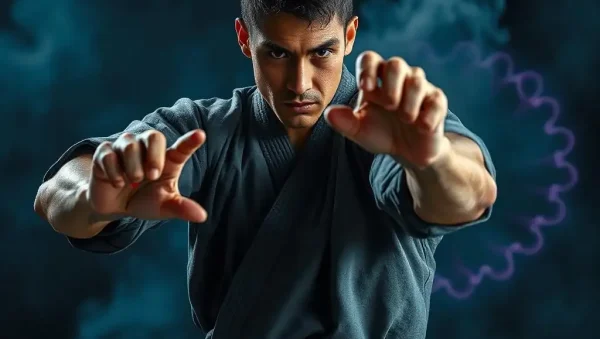
Jujutsu (Japanese): Modern Applications and Self-Defense
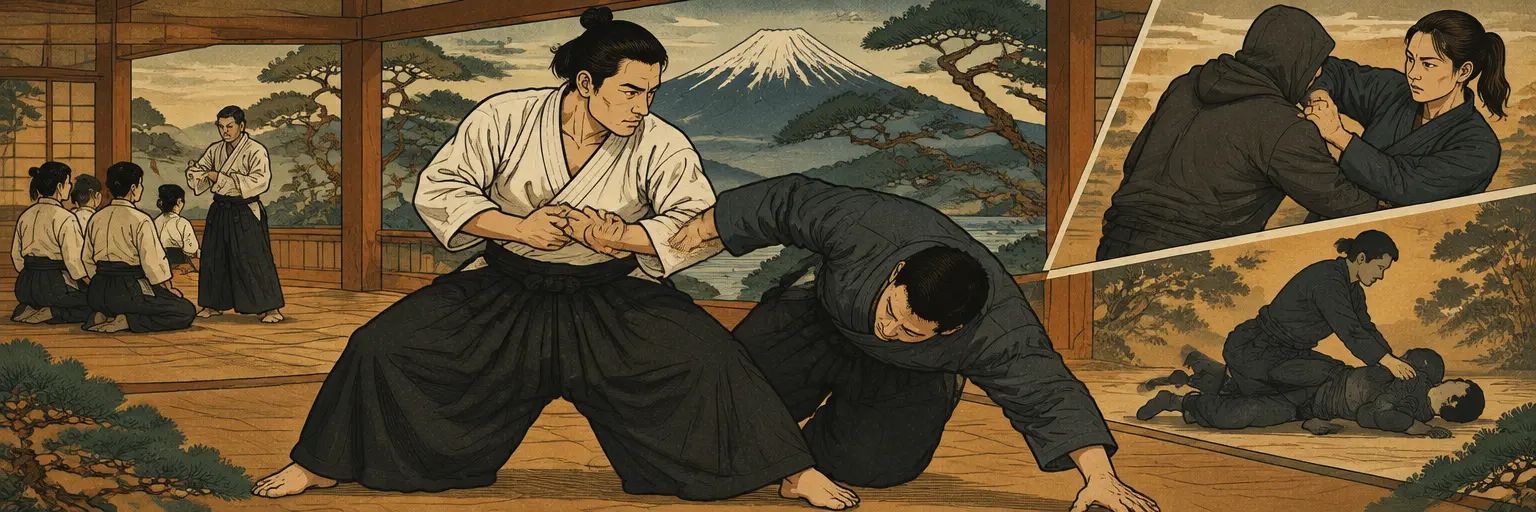
Jujutsu, the ancient "gentle art" of the samurai, has evolved far beyond feudal battlefields. Today, it stands as one of the most practical and effective systems for civilian self-defense, blending joint locks, throws, and pressure points with modern situational awareness. At Martial Arts Mastery, we break down how this classical Japanese martial art translates into contemporary reality—whether you're a beginner seeking confidence, a seasoned grappler cross-training, or someone who simply wants to protect yourself without relying on brute strength. This subcategory explores historical roots, core techniques, modern adaptations, and real-world application, ensuring you understand both the tradition and the tactical value.
🔍 Core Principles: Balance, Leverage, and Redirection
Jujutsu thrives on the principle of ju—yielding to overcome force. Unlike striking arts that meet power with power, jujutsu teaches you to neutralize an attacker's momentum, using their own body weight and motion against them. Expect to learn foundational concepts like kuzushi (breaking balance), tsukuri (positioning), and kake (execution), which form the backbone of every technique. These principles are not just physical; they train your mind to stay calm under pressure and see opportunities where others see threats.
By mastering these core principles, you gain a transferable skill set that works in almost any encounter—from a drunken grab to a knife threat. The emphasis on leverage means that size and strength become secondary, making jujutsu exceptionally effective for smaller individuals. This section details how to practice these principles safely with a partner, progressing from static drills to dynamic, realistic scenarios.
🛡️ Modern Self-Defense: Adapting Classical Waza
Classical jujutsu techniques were designed for armored samurai facing a battlefield, but modern instructors have filtered out what works for street survival. Here, you'll discover how atemi-waza (strikes to vital points), nage-waza (throws), and kansetsu-waza (joint locks) are modified for contemporary threats like punches, grabs, and weapons. The focus is on quick, decisive responses that create distance and allow you to escape, not on sporting competition. You'll learn to defend against common attacks—chokes, wrist grabs, bear hugs, and ground-mounted scenarios—using efficient movements that require minimal fine motor skills during adrenaline spikes.
Modern jujutsu also integrates ground fighting and strangulation escapes, recognizing that many real fights end up on the floor. Unlike Brazilian Jiu-Jitsu, which focuses on positional dominance, jujutsu emphasizes immediate escape and stand-up recovery. This section provides practical breakdowns of high-percentage techniques, plus advice on de-escalation and pre-emptive awareness to avoid violence altogether.
🧠 Mental Conditioning: Awareness and Decision-Making
Self-defense begins long before physical contact. Jujutsu's modern application heavily stresses situational awareness, threat assessment, and the psychology of aggression. Training includes recognizing pre-assault indicators—such as excessive staring, following, or verbal probing—and learning to trust your instincts. You'll practice “stress inoculation” drills that simulate chaotic scenarios, helping you build the mental resilience to act clearly when startled. This is not just about paranoia; it’s about being present and proactive rather than reactive.
Decision-making is also critical: knowing when to disengage, when to use non-lethal force, and how to articulate your actions legally. This section covers the ethical and legal boundaries of self-defense in many jurisdictions, emphasizing that jujutsu’s goal is always to neutralize a threat with the minimum necessary force—ideally, without throwing a single punch. Expect guided visualizations, breathing exercises, and role-playing scenarios to sharpen your cognitive edge.
⚙️ Cross-Training Synergy: From Jujutsu to Other Arts
Jujutsu is often called the “mother art” because its techniques appear in judo, aikido, and many modern mixed martial arts (MMA) systems. This section explains how cross-training can amplify your skills. For judokas, jujutsu refines your grip fighting and adds joint locks. For striking artists (boxing, Muay Thai), jujutsu fills the gap in clinch and ground defense. For BJJ practitioners, jujutsu offers a faster, more pragmatic approach to self-defense, emphasizing finishing moves over point-scoring. The synergy is powerful: each art fills the other’s blind spots, creating a more complete fighter.
We also explore how jujutsu complements weapons training, such as bokken (wooden sword) and tanto (knife) drills, which many modern schools retain from historical curricula. These practices improve hand-eye coordination and teach you to defend against armed assailants with improvised tools. Cross-training also prevents plateauing—keeping your mind and body engaged with fresh challenges while reinforcing core principles in varied contexts.
📈 Practical Progress: Training Tips and Safety
Starting jujutsu requires careful guidance to avoid injury and maximize retention. This section offers beginner-friendly advice: how to choose a reputable dojo (look for kata-based instruction plus realistic sparring), what gear you need (gi, rash guard, mouthguard), and how to condition your body for falls and joint stress. Safety protocols are paramount—you’ll learn proper ukemi (breakfalls) to protect your spine and wrists, plus how to tap out early in practice to prevent hyperextension issues. We stress that progressive rolling, not full-contact intensity, is the best way to internalize techniques.
For home practice, we provide step-by-step solo drills using resistance bands and focus mitts, as well as partner drills that can be done with a friend under supervision. Consistency trumps intensity—even 20 minutes daily of shadow nage-waza (imaginary throws) or wrist-escape reps will sharpen your reflexes. We also address common myths: jujutsu is not an instant-win system, and it requires ongoing refinement. With our training tips, you’ll build a safe, sustainable path from white belt to advanced competence.
Frequently Asked Questions
Is jujutsu effective for a woman or smaller person?
Absolutely—jujutsu was designed for an unarmored person to defeat a larger, heavily armed opponent. Leverage, joint locks, and pressure points neutralize size advantages, and modern self-defense curricula emphasize escapes from grabs and chokes common in assaults. With consistent practice, a smaller individual can develop credible defense responses within months.
How long does it take to become proficient in jujutsu?
Basic proficiency—able to defend against common attacks—typically takes 6–12 months of twice-weekly training. Fluency in techniques and spontaneous application usually requires 3–5 years. However, you'll see noticeable improvement in coordination and confidence within just a few weeks. Progress depends on your instructor, practice frequency, and realistic drilling.
Can jujutsu be practiced without a partner?
Yes, though partner drills are essential. Solo practice includes shadow techniques, breakfall drills on mats, and using heavy bags or resistance bands to simulate grips and movements. You can also drill stances, hip movement, and pressure-point targeting at home. Just remember that live reactions are irreplaceable, so regular dojo attendance is crucial for real readiness.
What is the difference between jujutsu and judo?
Judo evolved from jujutsu but focuses exclusively on throws and groundwork for sport competition, often removing joint locks and strikes. Jujutsu retains a more comprehensive self-defense syllabus, including atemi (strikes), chokeholds, and weapon defenses. Judo excels at pure throwing skills, while jujutsu offers broader, more brutal, but practical applications for civilian survival.
Will jujutsu help me in an MMA (mixed martial arts) context?
Yes, but with caveats. Jujutsu’s joint locks and strikes are not allowed in MMA, yet its balance-breaking, clinch control, and escape abilities translate well. Many MMA fighters use jujutsu-derived techniques like arm drags, wrist controls, and positional escapes. However, you'll need to adapt to the sport’s rules and learn striking defense; MMA demands a broader hybrid skill set, which jujutsu complements rather than replaces.