Kendo: Philosophy and Way of the Sword – A Path Beyond Victory
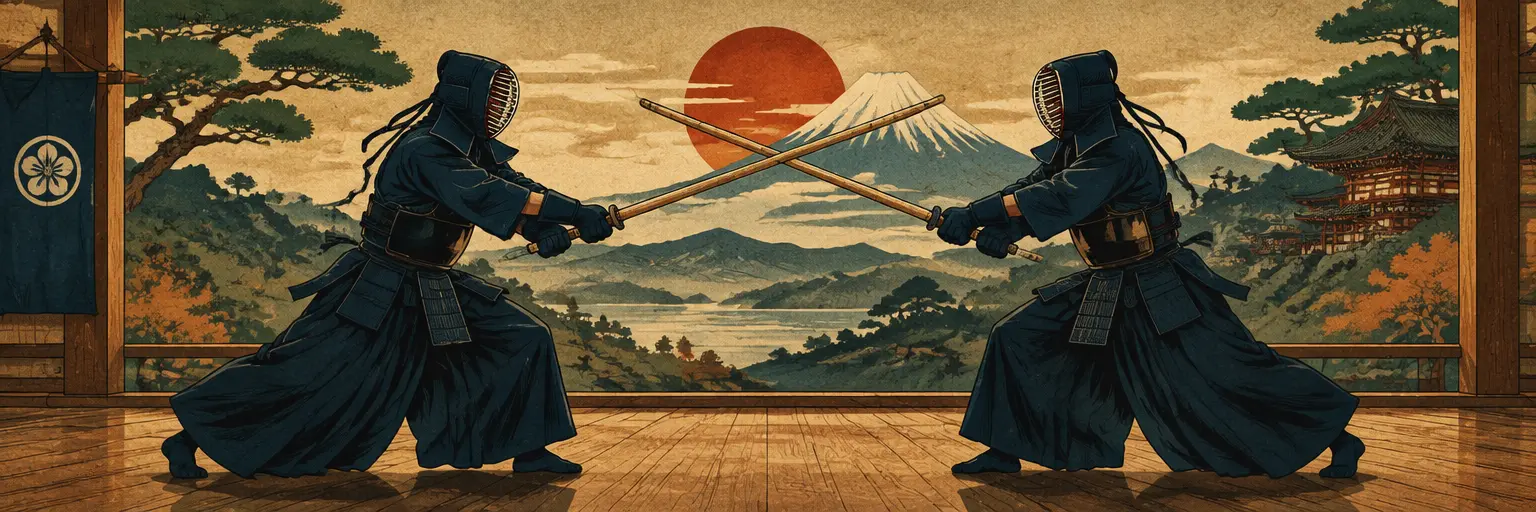
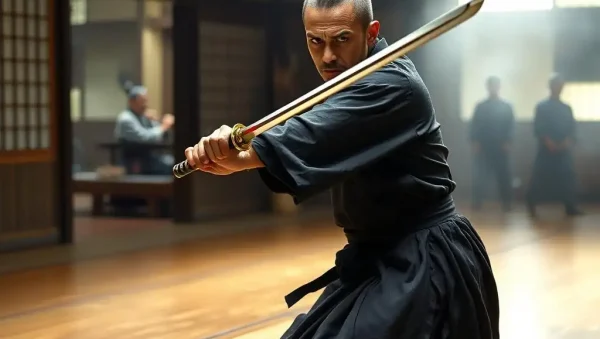
Kendo, the "Way of the Sword," is far more than a combat sport—it is a disciplined journey of self-cultivation rooted in samurai tradition and Zen-like focus. At MartialArtsMastery.org, our subcategory on Kendo Philosophy explores how each strike, stance, and shout embodies principles like kihon (fundamentals) and ki-ken-tai-ichi (spirit, sword, and body as one). Whether you are a beginner curious about the bamboo shinai or an advanced practitioner seeking deeper meaning, this guide unpacks the spiritual and ethical layers that define kendo as a lifelong art. Expect practical insights into reigi (etiquette), zanshin (awareness), and the mental resilience that transforms a student into a warrior of character.
🎯 The Core Principles of Kendo: Ki-Ken-Tai-Ichi and Zanshin
Kendo’s technical brilliance hinges on ki-ken-tai-ichi—the simultaneous union of spirit (ki), sword (ken), and body (tai). Every valid strike requires a focused shout (kiai), precise footwork (ashi-sabaki), and correct blade angle, all delivered in one explosive motion. This principle ensures efficiency, but its deeper purpose is to teach whole-hearted commitment in action. Practitioners learn that hesitation or fragmented effort leads to ineffective technique, mirroring life’s need for decisive, mindful engagement.
Equally vital is zanshin, the state of relaxed alertness maintained immediately after a strike. In competition, zanshin demonstrates that you are ready to counter any counterattack, reflecting a mind that remains unshaken by success or failure. This awareness extends beyond the dojo, encouraging practitioners to approach daily challenges with continuous vigilance and calm clarity. By mastering these principles, kendo becomes a meditation in motion, where every move is both a physical act and a philosophical lesson.
⚔️ The Role of Reigi (Etiquette) and Ritual in Kendo Practice
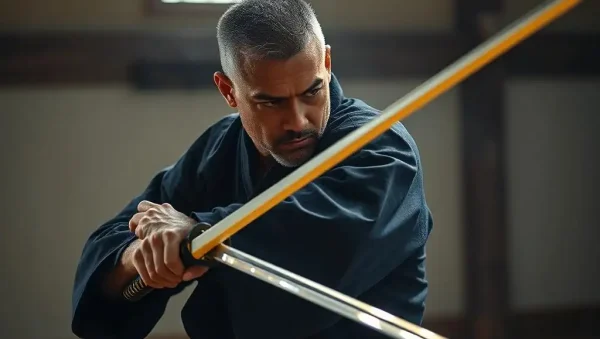
Kendo begins and ends with reigi—a formalized system of bows, seating, and posture that honors opponents, instructors, and the dojo itself. Before sparring (keiko), students perform a seated bow (zarei) to the kamidana (shrine) and a standing bow to their partner, symbolizing mutual respect and the abandonment of ego. This ritual is not mere ceremony; it cultivates humility and gratitude, reminding practitioners that the sword is a tool for self-improvement, not aggression. Even the way you handle the bokken or shinai—never pointing it carelessly—reinforces a mindset of safety and reverence.
Ritual also instills discipline through repetition. From the precise folding of the gi (jacket) to the deliberate placement of armor (bogu), every action is intentional. This structured environment creates a psychological boundary where practitioners can focus wholly on the art, free from external distractions. Over time, reigi becomes second nature, fostering personal accountability and a deep sense of connection to kendo’s samurai heritage. For beginners, understanding these customs early is key to enjoying a respectful and enriching practice.
🧠 Mental Conditioning: Overcoming Fudoshin (Immovable Mind) and Fear
Kendo’s philosophy heavily emphasizes mental fortitude, with fudoshin—an immovable mind—being a cornerstone concept. This does not mean rigid stubbornness but rather an unshakable calm amid chaos. During shiai (matches), opponents attempt to disrupt your rhythm with feints and sudden attacks; fudoshin enables you to observe without panic and respond with clarity. To develop this, practitioners use mitori geiko (observational training), where you watch senior students to learn timing and strategy, gradually internalizing patterns that reduce fear of the unknown.
Fear of being hit is a common hurdle, especially for novices. Kendo addresses this through progressive sparring drills (kakari keiko) that encourage attacking rather than retreating. Over months, you learn that receiving a strike is not failure but feedback, and that courage is acting despite anxiety. This psychological conditioning translates to daily life, helping practitioners face job interviews, conflicts, or personal setbacks with a composed demeanor. Indeed, many describe kendo as "a path to knowing yourself," where each session peels away ego and reveals your true reactions under pressure.
📜 Historical Roots: From Samurai Battojutsu to Modern Kendo
Understanding kendo’s philosophy requires a glance at its evolution from kenjutsu, the lethal swordsmanship of feudal Japan. Samurai practiced battojutsu (drawing and cutting) with live blades, where a mistake meant death. This urgency birthed a respect for every motion, be it footwork or breathing. During the Edo period (1603–1868), wooden swords (bokuto) and protective armor allowed safer practice, but the spiritual core remained—training was about forging character, not just combat skill. The term "kendo" became official in the early 20th century, shifting emphasis from battlefield utility to shushin (self-improvement) and moral cultivation.
After World War II, kendo was temporarily banned due to its militaristic associations, but it was revived with a pacifist ethos, promoting international friendship and personal growth. Today, organizations like the All Japan Kendo Federation outline that the purpose is "to mold the mind and body, and to cultivate a vigorous spirit." This historical trajectory explains why modern kendo values hansoku (fouls) for unsportsmanlike behavior and celebrates ippon (valid point) only when technique is flawless—mirroring the samurai’s premium on honor. Thus, each kendo practice is a living connection to a rich martial lineage that prioritizes moral integrity over winning.
🛠️ Practical Training Tips for Philosophy-Driven Technique
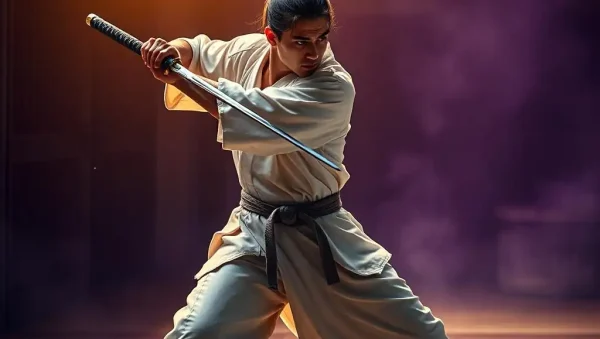
To internalize kendo’s philosophy, start with suburi (sword swinging) drills—perform joge-buri (vertical swings) slowly, focusing on breath and body alignment. This builds the muscle memory needed to execute men (head strike) or do (body strike) without conscious thought, freeing your mind to sense opponents. Pair this with waza-geiko (technique practice), where you repeat small, correct movements fifty times rather than sloppy attempts a hundred. Quality over quantity is a philosophical tenet that prevents bad habits and promotes shoshin (beginner’s mind)—always staying open to correction.
Integrate mindfulness into your routine breathwork: the kiai should originate from your lower abdomen (hara), not your throat, centering your energy. Also, practice solitary meditation after class—sit for two minutes observing your thoughts, noting where your mind wandered during sparring. This builds self-awareness, a skill that improves decision-making in matches and life. Finally, respect the sensei and senpai (seniors) by asking targeted questions about technique intent; you’ll often discover that a strike’s angle is a metaphor for approaching problems directly yet economically. With these tips, you won’t just learn kendo—you’ll live its philosophy.
Frequently Asked Questions
Do I need prior martial arts experience to start kendo?
No, kendo welcomes complete beginners. Most dojos teach basics—posture, footwork, and how to grip the shinai—from scratch. You will start in comfortable clothing before purchasing armor (bogu) after a few months. Patience and humility matter more than prior skill, as kendo’s philosophy emphasizes steady progress over innate talent.
Is kendo safe for older adults or people with joint issues?
Yes, kendo can be adapted. The strikes are controlled, and protective gear minimizes impact. Many practitioners continue into their 70s, focusing on movement efficiency rather than power. Consult with your instructor about modifications for knees or shoulders, and always stretch before practice to maintain flexibility.
How long does it take to earn a black belt (dan) in kendo?
Typically, it takes 3-5 years of consistent practice to pass the shodan (first dan) exam. Requirements include technical proficiency, proper etiquette, and written knowledge of kendo’s philosophy. However, dan ranks are not the primary goal—many find deeper value in daily improvement and community.
What is the difference between kendo and iaido?
Kendo uses bamboo swords and armor for sparring, focusing on reactive combat with a partner. Iaido involves solo forms with a real or blunt metal blade, emphasizing precise draws and cutting motions. Both share samurai roots, but kendo is dynamic and competitive, while iaido is meditative and choreographed.
Can children practice kendo, and what do they learn?
Absolutely. Many dojos offer kids’ classes starting at age 6. Children learn discipline, focus, and respect through games and basic drills. Kendo helps with posture, coordination, and emotional regulation—skills that benefit school and social settings. Parents often report improved confidence and calmness in their young practitioners.