Krav Maga Ground & Pound Defense: Shield, Survive, and Create Escape Routes
🥋 Discover how to effectively shield, survive, and create escape routes with Krav Maga ground & pound defense techniques, empowering you to…
Read article
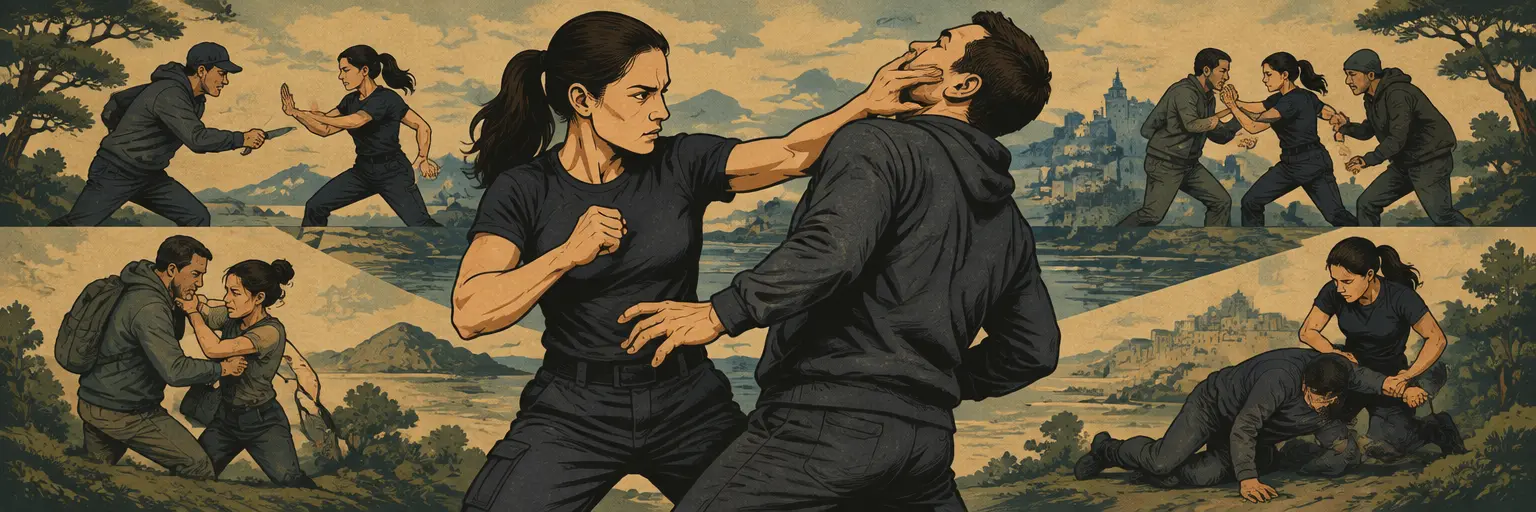
Krav Maga isn’t just a martial art—it’s a practical, instinct-driven self-defense system built for the chaos of the street. When it comes to defenses against common attacks, this Israeli combat method strips away flashy moves and focuses on quick, brutal, and efficient responses to threats like punches, chokes, bear hugs, and weapon grabs. You’ll learn to counter aggressive strikes with simultaneous blocks and counterattacks, escape wrist grabs with natural body motion, and neutralize headlocks using leverage and vulnerable targets like the groin and eyes. The training emphasizes scenario-based drills that simulate real-world encounters—whether it’s a surprise sucker punch or an attacker grabbing your shirt—so reactions become automatic muscle memory. Forget sport rules; here, survival is the goal, and every defense ends with a clear, decisive escape. Perfect for beginners and seasoned practitioners alike, these techniques prioritize gross motor skills that work under adrenaline, making them accessible and reliable for anyone, regardless of size or strength.

🥋 Discover how to effectively shield, survive, and create escape routes with Krav Maga ground & pound defense techniques, empowering you to…
Read article
🥋 Discover how mastering Krav Maga kick defense transforms aggressive kicks into powerful offensive opportunities, empowering practitioners with practical self-defense strategies, proven…
Read article
🥋 Discover effective strategies for a Krav Maga wrist grab escape and essential counters to maintain control after breaking free. Learn practical…
Read article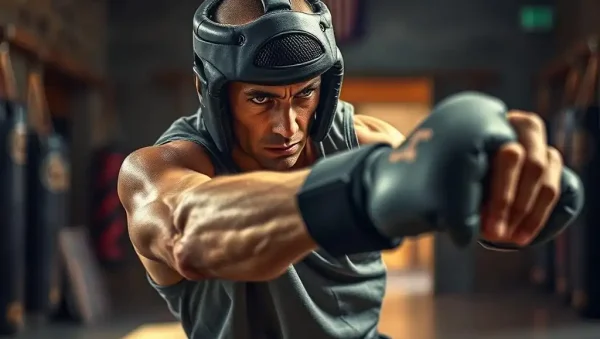
🥋 Discover how a Krav Maga head guard enhances protection during intense training. Our Krav Maga head guard review highlights its vital…
Read article
💪 Master the Krav Maga rear hug escape with this practical technique—using elbows, stomps, and strategic turns to break free and defend…
Read article
😨 Learn essential Krav Maga wall choke defense techniques to escape dangerous situations and survive when trapped. Master practical strategies for your…
Read article
🥊 Discover essential techniques for Krav Maga close range defense against unexpected dirty boxing strikes. This article explores practical strategies to effectively…
Read articleWelcome to the definitive guide on Krav Maga defenses against common attacks, a core component of our Individual Martial Arts Styles section at MartialArtsMastery.org. Unlike traditional martial arts that emphasize forms and sport, Krav Maga is a tactical system designed for immediate, instinctive responses to violent encounters. Here, we dissect the most frequent assault scenarios—from chokes and wrist grabs to bear hugs and knife threats—and reveal the stripped-down, efficient counter-moves that make this Israeli system globally respected. Expect actionable insights, biomechanical reasoning, and a focus on survival over style, all tailored to help you build a robust personal safety toolkit.
Chokes are among the most common and lethal attacks, often occurring in close-quarters scenarios like muggings or domestic disputes. In Krav Maga, the immediate priority is not to pull at the attacker’s hands—a instinctive but futile response—but to create a framework of defense using gross motor movements. The classic response involves a sharp pluck of both hands downward to break the grip, followed by a simultaneous burst toward the attacker to off-balance them, then a rapid series of counter-strikes to vulnerable targets like the groin or eyes. This sequence works from both front and rear chokes, with slight angle adjustments.
Training these defenses repeatedly in high-stress drills is essential because muscle memory overrides panic. You’ll learn to identify the difference between a blood choke and an air choke, adjusting your escape strategy accordingly. The emphasis is on immediate reaction—there is no block or negotiation; you explode with movement and escape before the attacker can consolidate control. Expect to practice from standing, against walls, and even on the ground, ensuring your reflex is universal regardless of environment.
Wrist grabs are often the precursor to a more serious assault—a setup for a punch, a drag, or a weapon draw. Krav Maga treats these not as static holds but as dynamic threats requiring immediate disengagement. The core principle involves rotating your arm toward the attacker’s thumb—the weakest point of any grip—while simultaneously stepping back and creating distance. For clothing grabs, a similar pluck-and-redirect using the dominant hand, combined with a low strike, disrupts the attacker’s balance and gives you the split-second needed to transition to a counter or escape.
What sets Krav Maga apart is the integration of simultaneous defense and offense. While breaking the grip, you are already launching a counter-strike, often to the groin, knee, or eyes, preventing the attacker from following up. You’ll practice against multiple grip variations—same-side, cross-hand, two-on-one—and learn to flow between them fluidly. The goal is not to end the fight with a technique but to create an opportunity to disengage and run, as retreat is always the preferred outcome in a real-world encounter.
Bear hugs from the front or rear are common in ambush situations, often used to restrain or lift a victim. Krav Maga’s answer is a combination of leverage, strikes, and explosive lower-body movement. From a front bear hug, the immediate response is to sink your hips and strike the groin or shins with knees or kicks, forcing the attacker to loosen their grip. From a rear hug, you learn to stomp on the instep, throw the head backward into the attacker’s face, and elbow the ribs from alternating sides—each action exploiting anatomical weaknesses to create separation.
The drills emphasize survival under weight and pressure, as these attacks often occur when the attacker is larger. You’ll practice with partners simulating heavy force, learning to drop your center of gravity and use short, powerful movements rather than wrestling. Once the grip loosens, you transition immediately to a standing escape, followed by a counter-attack and a swift retreat. This defense is not about submission holds; it’s about turning a vulnerable moment into an instant reversal of fortune.
Weapon threats, particularly knives, are the most psychologically challenging to defend. Krav Maga teaches a clear hierarchy: if the weapon is not yet drawn, work to prevent it; if it is drawn, prioritize distance. For an impending knife attack, you use angles and redirections, controlling the weapon arm with both hands while delivering simultaneous strikes to the face and groin. The core concept is 360-degree defense, where any angle of attack (overhead, underhand, thrust) has a correspondingly simple parry-and-counter sequence.
Training avoids theatrical disarms; instead, you focus on creating pain and disorientation to force the attacker to turn away, then escaping immediately. Expect to practice against training knives with colored tips to track where you would have been cut, reinforcing the urgency of movement. The pragmatic philosophy is that no defense is guaranteed, but with repetitive drilling, your reaction time improves dramatically, often meaning the difference between a superficial wound and a fatal one. Always assume the attacker might have a second weapon, so escape is the climax of every drill.
Fending off straight punches, hooks, and front kicks forms the bedrock of Krav Maga’s striking defense. Rather than blocking with rigid forearms, the system uses defensive shearing—redirecting the force of the blow with a slapping motion of the hand—combined with an immediate counter-strike to the attacker’s exposed flank. For kicks, you learn low-line checks using the shin and a simultaneous counter-punch to the face, exploiting the attacker’s single-leg balance. The movement is minimal, efficient, and designed to work under adrenal stress.
The philosophy is to end the threat quickly with devastating counters—headbutts, groin kicks, and eye strikes—rather than trading blows. You’ll practice high-volume pad work to build speed and power, but the true focus is on recognition and reaction: seeing the telegraph of a punch and slipping it before initiating a three-hit combination. Sparring is introduced at later levels to test these defenses with a resisting partner, always with protective gear and a commitment to safe practice. The ultimate goal is to land one decisive counter that grants you a window to disengage.
Most students see practical improvement within 2-3 months of consistent weekly training. The techniques are designed for rapid acquisition using gross motor skills, but real proficiency requires drilling under stress. Expect to spend at least six months to reliably perform defenses against chokes and wrist grabs in a live scenario, with ongoing refinement for complex threats like knife defenses.
Yes, because Krav Maga emphasizes targeting vulnerable areas (eyes, groin, knees) using leverage and movement rather than strength. Techniques are stripped to their most efficient forms, allowing a smaller person to exploit momentum and anatomy to create escape windows. However, consistent practice and realistic scenario training are essential to overcome size differences.
No, you begin at your current fitness level. Classes often include warm-ups that build cardiovascular and muscular endurance over time. The techniques themselves do not require extreme flexibility or strength, but improving your stamina enhances your ability to execute them under fatigue. Many schools offer beginner-level programs specifically for detractors out of shape.
Krav Maga prioritizes instinctive, reactive movement over predetermined patterns. Traditional stances can telegraph intention and hinder quick footwork in chaotic encounters. Instead, the system uses a natural fighting stance that promotes fluid movement and immediate access to strikes and defenses, mirroring how you would stand naturally while walking or standing.
Beginners typically waste time trying to pull the attacker’s hands away, which has no effect. The correct approach is a downward pluck using both arms while simultaneously moving forward to off-balance the attacker. Striking should follow instantly—not as a separate step—but many forget to counter and simply escape, missing a critical opportunity to stop the threat.







