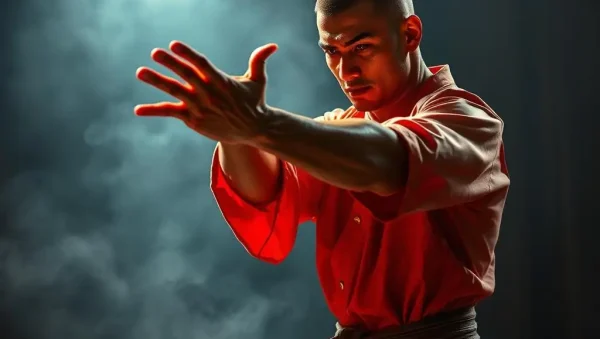
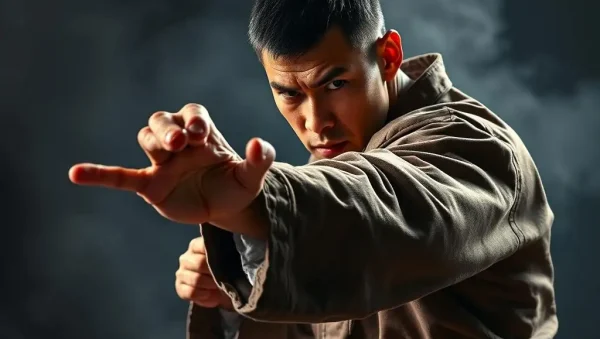
Kung Fu: Wing Chun - Chi Sao and Wooden Dummy Training
Discover the heart of Wing Chun Kung Fu through two of its most iconic training methods: Chi Sao (sticky hands) and the Muk Yan Jong (wooden dummy). This subcategory offers a deep dive into the tactile sensitivity, structural mechanics, and reflexive precision that define this legendary southern Chinese martial art. Whether you're a beginner seeking foundational drills or an advanced practitioner refining combat instincts, these articles blend biomechanics, historical context, and step-by-step coaching to elevate your understanding and performance.
🧠 Chi Sao Fundamentals: Building Reflexive Bridgework
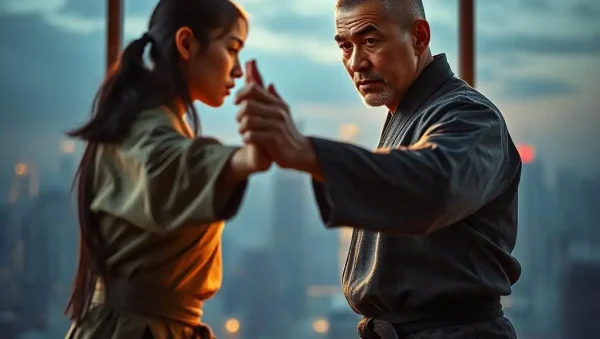
Chi Sao, or “sticky hands,” is Wing Chun’s core sensitivity exercise, training practitioners to read an opponent’s intent through constant arm contact. Here, you’ll learn the rolling “Luk Sao” cycle, the three basic hand positions (Tan, Bong, Fook), and how to transition from defense to attack with seamless flow. This section emphasizes the concept of “central line” control and the “four gates” of targeting, helping you intercept strikes before they fully develop.
Our guides break down common training errors—like tensing shoulders or overcommitting weight—and offer corrective drills to develop relaxed, explosive power. You’ll also explore partner-based flow drills that simulate real combat scenarios, teaching you to use elbow structure, forward pressure, and stepping (Biu Ma) to unbalance an adversary. Perfect for both solo practice visualization and partner sessions.
🪵 Wooden Dummy (Muk Yan Jong): The Silent Partner
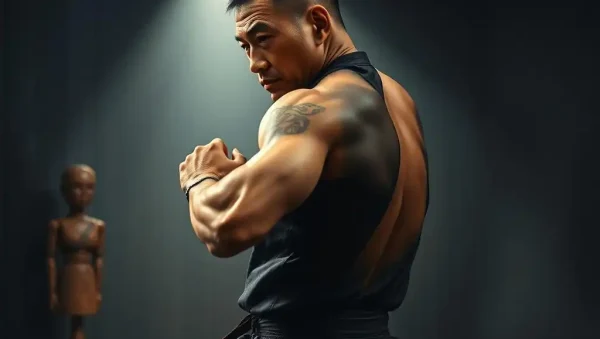
The Muk Yan Jong is a wooden training device with three arms and a central leg, designed to cultivate precision striking, angle adjustments, and defensive positioning. This section details progressive dummy sequences, from the classic 108-movement form to condensed combat applications. Expect detailed breakdowns of each technique—like “Jut Sao” with a low kick, “Pak Sao” with a pivot, or the “Lan Sao” trapping motion—with footwork diagrams and alignment cues.
We also address equipment setup, mounting heights, and maintenance, ensuring your dummy practice is safe and effective. Advanced topics include using the dummy to develop “wall power” (forward momentum) and adapting its rigid frame to simulate an opponent’s limbs, thereby improving your flowing transitions between offense and counter-offense. This subsection is a must-read for anyone with access to a dummy or interested in building one.
⚡ Energy and Structure: Uniting Chi Sao and Dummy Work
Together, Chi Sao and wooden dummy training form a synergistic loop: Chi Sao refines your tactile feel and reactive threading, while dummy practice ingrains those responses into muscle memory against fixed targets. This section explains how to integrate both methods into a weekly routine, using Chi Sao for live adaptability and the dummy for repetitive, high-repetition calibration. You’ll discover how to transfer dummy-derived angles into Chi Sao variations with a partner.
We also cover essential body mechanics—such as the triangular stance (Yee Jee Kim Yeung Ma), horse stance transitions, and hip rotation—that underpin both practices. Learn to generate power from the ground up, maintain a relaxed yet connected bridge, and use “Siu Nim Tau” principles for constant forward intent. These insights help bridge the gap between static practice and dynamic combat.
🛡️ Practical Self-Defense Applications: From Training to Street
This subcategory doesn’t stop at tradition—it translates Chi Sao and dummy skills into real-world self-defense. Explore pragmatic adaptations of sticky hands for close-quarters encounters, such as deflecting grabbing attacks, countering clinch attempts, and using dummy-derived elbow strikes against a charging opponent. We emphasize positional awareness, distance management, and the importance of simultaneous defense-and-attack (Lin Sil Die Da) techniques.
Case studies and scenario breakdowns show how Wing Chun’s economy of motion and vertical punches excel in confined spaces like hallways or cars. You’ll also learn how to condition your forearms and shins using the dummy, plus drills for improving reaction time without a partner. These articles prioritize survival-oriented simplicity over flashy acrobatics, ensuring practical utility for all skill levels.
📜 Historical Lineage and Philosophical Roots
To master a method, understand its origins. This section traces the development of Chi Sao and wooden dummy practice from the Shaolin Temple, through the Red Boat Opera troupe, to Grandmaster Yip Man’s modern curriculum. Learn how Ip Man’s era transformed these tools into systematic teaching aids, and how legends like Bruce Lee adapted sticky-hand concepts into Jeet Kune Do. Philosophical insights from the Wing Chun Kuen Kuit (songs and proverbs) guide your mindset.
We also compare regional variants, such as the Foshan vs. Hong Kong dummy sets, highlighting subtle changes in angles and rhythm. Interviews with lineage holders offer rare perspective on preserving authenticity while innovating for sport and self-defense. This historical depth enriches your practice, connecting physical drill to a living tradition.
Frequently Asked Questions
How often should I practice Chi Sao and wooden dummy per week?
Aim for 2-3 sessions weekly for each, roughly 30-45 minutes per session. Quality over quantity—focus on correct structure and relaxation. Beginners benefit from daily dummy drills for muscle memory, but alternate with rest days to prevent joint strain. Chi Sao requires a partner, so schedule around availability; solo mirror work supplements your sticky-hand feel.
Can I learn Wing Chun without a wooden dummy?
Yes, many practitioners develop skill using substitute methods like standing postures, wall bags, or even straps. However, the dummy’s rigid arms uniquely train precise angles and striking accuracy. If space is limited, consider a freestanding compact dummy or use a heavy bag with marked targets. Progress remains possible, but the dummy accelerates structural refinement.
What’s the first Chi Sao drill I should master?
Begin with the basic “Poon Sau” (rolling hands) while maintaining relaxed yet connected arms. Focus on maintaining elbow contact with your centerline and using forward pressure without stiffening. Practice both clockwise and counterclockwise rolls, then add single-hand variations like Tan Da (extending hand with punch). Consistent daily practice yields noticeable sensitivity within weeks.
Is Chi Sao only for advanced students?
No, beginners can start with simple single-arm drills and gradually progress to double-arm exchanges. Early training builds coordination and tactile awareness, which are valuable from day one. Many instructors introduce basic rolling in the first few months. Advanced Chi Sao involves trapping and counter-trapping, but foundational skills are accessible to all.
Does wooden dummy training build functional toughness?
Yes, repetitive strikes against the dummy’s hard surface condition the forearms, shins, and knuckles, but always start with low intensity and wear guards if needed. Proper form prevents injury—ensure wrists stay straight and use supportive groundwork. Over time, this develops bone density and pain tolerance, yet technique remains paramount to avoid chronic issues.