The First Nak Muays: Piecing Together the Lives of Thailand's Ancient Boxers
🥊 Explore the fascinating origins of Ancient Thai boxing history, uncovering the lives of Thailand’s earliest Nak Muays, their cultural significance, and…
Read article
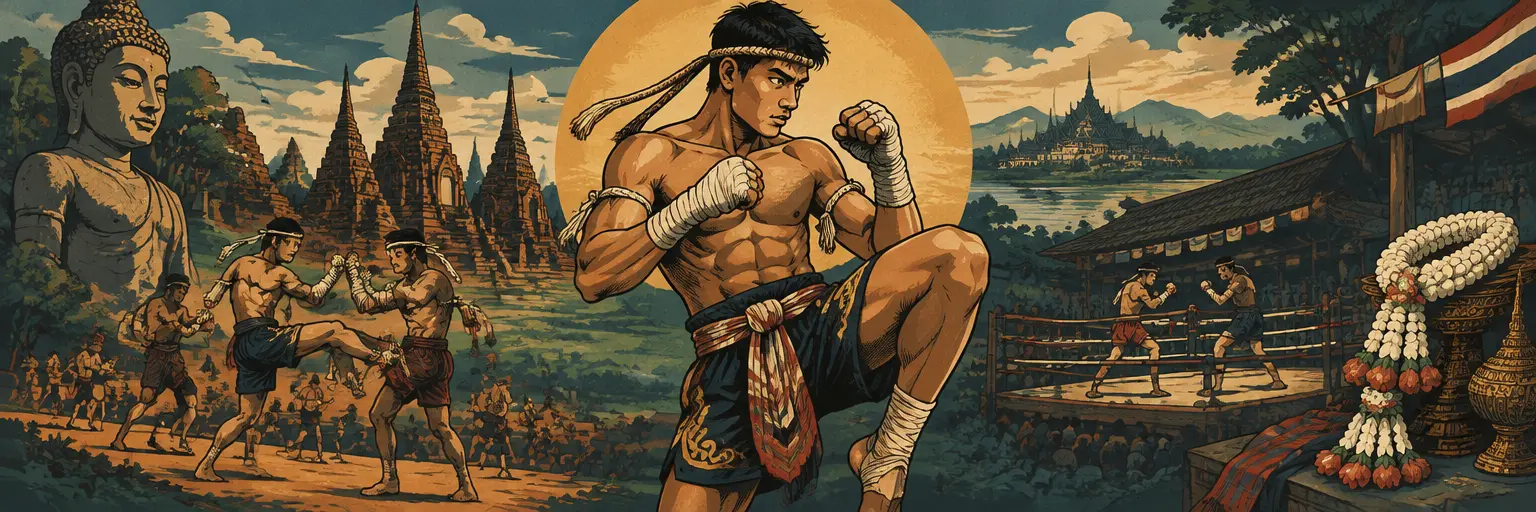
Muay Thai, known as the “Art of Eight Limbs,” is far more than a combat sport—it is the living heartbeat of Thai culture, steeped in centuries of history, royal patronage, and spiritual ritual. From its ancient battlefield origins to its modern global dominance in the ring, this martial art embodies resilience, respect, and national pride. Discover how traditional ceremonies like the Wai Kru and Ram Muay honor ancestors and teachers, while the sport’s evolution from village festivals to world-class stadiums reflects Thailand’s social and political transformations. Whether you’re a fighter, historian, or cultural enthusiast, understanding Muay Thai’s profound significance unlocks a deeper appreciation for its techniques, ethics, and the unyielding spirit of the Thai people.
🥊 Explore the fascinating origins of Ancient Thai boxing history, uncovering the lives of Thailand’s earliest Nak Muays, their cultural significance, and…
Read article
🥊 Discover how Muay Thai Ayutthaya history embodies resilience, thriving after the fall of the kingdom. This martial art's enduring spirit reflects…
Read article
🥊 Discover how ancient conflicts influenced Muay Thai historical combat tactics, shaping its fierce techniques and resilience. Explore the martial art’s brutal…
Read article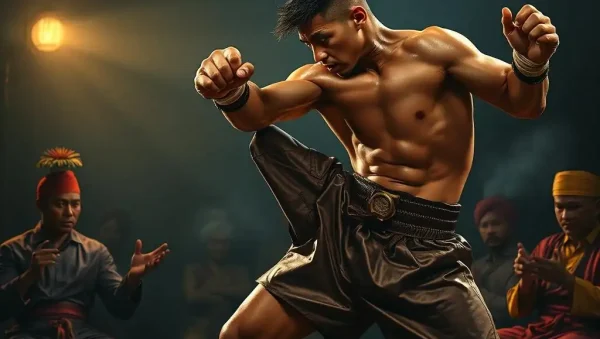
🥊 Dive into the rich Muay Thai gambling history and discover how this risky tradition has shaped the sport’s cultural identity, blending…
Read article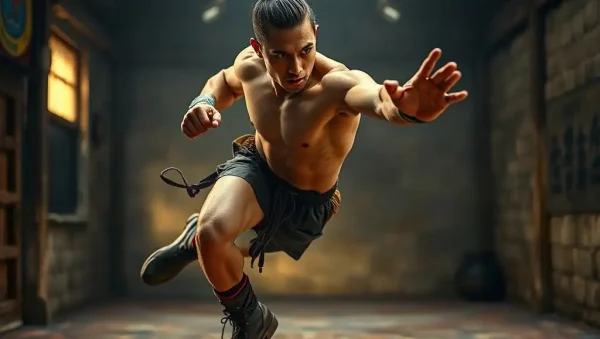
🥊 Explore the rich Muay Kad Chuek history, a traditional Thai martial art where fighters use ropes to bind their fists, blending…
Read article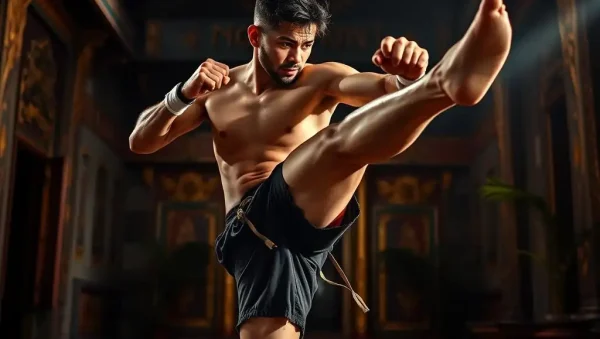
🥊 Explore the evolving Muay Thai Olympic history and its quest for global recognition, highlighting the sport’s rich traditions, rigorous training, and…
Read article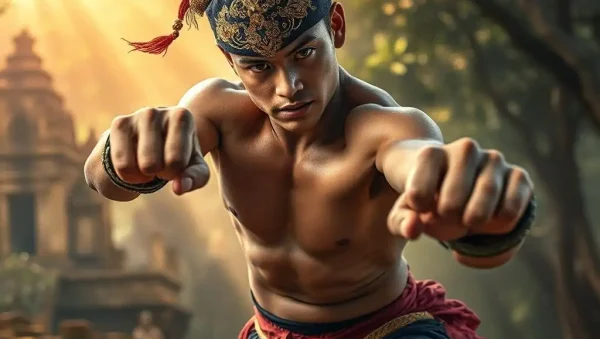
🥊 Discover the rich Muay Thai Ayutthaya history, a pivotal era when the martial art flourished as a symbol of Thailand's golden…
Read articleMuay Thai, Thailand’s national treasure, is far more than a fighting system—it is a living embodiment of the kingdom’s history, spirituality, and resilience. Known as the "Art of Eight Limbs," this martial art uses fists, elbows, knees, and shins with devastating efficiency. Within this subcategory, we explore how Muay Thai evolved from ancient battlefield tactics into a global combat sport, deeply woven into Thai festivals, royal ceremonies, and Buddhist traditions. Expect to uncover the origins of the Wai Kru ritual, the symbolism of the Mongkol headband, and the cultural weight carried by every kick and clinch. This is not just a technical guide—it’s a journey into the soul of a nation.
Muay Thai’s roots trace back over 400 years to the Siamese military, where soldiers developed a close-quarters combat system called Muay Boran. Unlike modern sport rules, ancient warriors targeted vital points, threw joint locks, and used grappling to disarm opponents. Historical chronicles mention King Naresuan (16th century) encouraging hand-to-hand combat training for troops, while the legendary fighter Nai Khanomtom earned Thailand’s freedom by defeating ten Burmese champions in the 18th century—a tale celebrated annually. As firearms reduced battlefield reliance, Muay Thai transitioned into royal entertainment and village competitions.
By the 1920s, formal rules, timed rounds, and weight classes modernized the sport, but the cultural essence remained. The Ram Muay (ritual dance) and Wai Kru (homage to teachers) are mandatory before each bout, honoring ancestors and coaches. Understanding this evolution helps practitioners appreciate that every elbow strike carries centuries of pragmatic survival, not just athleticism. This historical depth separates Muay Thai from generic kickboxing, grounding it in Thai identity.
The spiritual layer of Muay Thai is inseparable from its physical practice. The Wai Kru ceremony, performed to the rhythm of traditional Sarama music, is a three-part sequence of bowing, circling the ring, and mimicking fighting postures—each movement honors the fighter’s lineage, parents, and Buddhist beliefs. Fighters wear a Mongkol (headband) and Pra Jiad (armband), often blessed by monks or masters, believed to offer protection and luck. Modern gyms still enforce these rituals, preserving a sacred bond between combat and faith.
Beyond the ring, Sak Yant tattoos—ancient geometric designs with Buddhist prayers—are commonly etched into fighters’ skin for empowerment. Cultural festivals like Loy Krathong and Songkran feature Muay Thai demonstrations, linking martial arts to seasonal harvests and royal mourning periods. For practitioners, respecting these symbols is not optional; it’s a prerequisite for true mastery. By internalizing these customs, you connect with a heritage that values honor over victory, humility over aggression.
Muay Thai’s training philosophy is brutally efficient, emphasizing conditioning over flair. The Thai stance—hands high, chin tucked, weight on the balls of the feet—prioritizes powerful kicks from a mobile base. The teep (push kick) disrupts opponents’ rhythm, while the clinch (plum) allows devastating knee strikes from close range. Unlike Western boxing, elbows are swung in tight arcs to slice flesh, and shins are hardened through repetitive impact against heavy bags and bamboo poles. This discipline builds remarkable cardiovascular endurance and mental fortitude.
Culturally, training is hierarchical: juniors defer to seniors, and every session starts with a specific warm-up ritual, including stretching and shadowboxing. Traditional gyms in Thailand run two daily sessions (morning and evening), with fighters often beginning as young as eight. The philosophy teaches “Jai Yen” (cool heart)—staying calm under pressure, reflecting Buddhist non-attachment. This focus on mind-body unity is why Muay Thai produces not just athletes, but disciplined individuals who respect all living beings, opponents included.
From Bangkok’s Lumpinee Stadium to international promotions like ONE Championship, Muay Thai has exploded globally since the 1990s, influencing MMA striking and fitness trends (e.g., Muay Thai cardio classes). Yet, globalization brings cultural dilution—many gyms skip rituals to focus solely on combat efficiency. Authentic schools, however, emphasize teaching the Thai language for commands, historical stories, and proper etiquette, ensuring the art’s soul survives. In the West, practitioners often travel to Thailand for “fight camps,” immersing themselves in local culture and customs.
This subcategory explores how modern fighters balance traditional values with modern sports science, such as strength training and video analysis. The cultural significance now extends to tourism, with Muay Thai camps becoming economic lifelines for rural Thai communities. By understanding this global footprint, you’ll learn to appreciate both the rootedness and adaptability of Muay Thai—a martial art that has transcended borders while never forgetting its royal, Buddhist, and warrior origins.
No study of Muay Thai’s cultural significance is complete without its icons. Samart Payakaroon, dubbed the “Jade-faced Tiger,” dominated the 1980s with unprecedented speed and showmanship, later becoming a national celebrity. Buakaw Banchamek brought Muay Thai to MMA audiences in the 2000s, thrilling fans with his relentless pressure and spinning elbows. Dieselnoi Chor Thanasukarn, a towering clinch master, retired undefeated in 1988, becoming a symbol of technical excellence. These figures are not just athletes—they are cultural ambassadors, featured on postage stamps and hero-worshipped in Thai cinema.
Historic matches, like the 1987 “Legend of Lumpinee” fight between Samart and Kongtoranee, are studied for their strategy and heart. These legends also preserve the “Nak Muay” spirit—fighting for one’s family, temple, and king. Their stories are passed down through oral tradition and documentaries, inspiring new generations to carry the torch. Understanding these heroes gives you context for the art’s intensity and why Thai fans treat every bout as a personal, almost religious, experience.
Respectful practice is not appropriation—it’s appreciation. When you learn the Wai Kru, use Thai terms, and respect Buddhist symbols, you honor the culture. Problems arise when gyms strip meaningful rituals for convenience or mock traditions. Authentic instructors actively teach cultural context, so always seek schools that emphasize history alongside technique.
Muay Boran is the ancient predecessor, featuring lethal techniques like headbutts, joint breaks, and weapons. Modern Muay Thai (since the 1920s) removed these for safety, focusing on stand-up striking. Think of Muay Boran as the original art, while Muay Thai is its sportive adaptation preserving core strikes and clinching.
It is absolutely essential in traditional settings. The Ram Muay is a fighter’s meditation, a warm-up, and a tribute to their master and family. While some Western shows skip it, authentic Thai promotions require it. Performing it incorrectly is seen as disrespectful, so always learn proper form from a qualified teacher.
Yes, absolutely. Muay Thai’s devastating elbows, knees, and clinch work are highly effective for real-world scenarios. Many civilian students train for fitness and self-defense, focusing on teeps, defensive footwork, and escape techniques. Competition is optional; the fundamental combat skills remain universally practical.
No, but practicing with an open mind is vital. Buddhism’s non-violence paradoxically coexists with martial arts because Muay Thai emphasizes self-control and mental discipline, not aggression. You can engage in rituals as cultural practices—like bowing to elders—without religious conversion. Respect the symbolism, and your practice will be accepted by Thai masters.







