Hatakikomi: The Art and Timing of the Deceptive SlapDown Technique
🥋 Discover the mastery behind Hatakikomi deceptive slap technique training, a crucial skill in martial arts that combines precise timing and strategic…
Read article
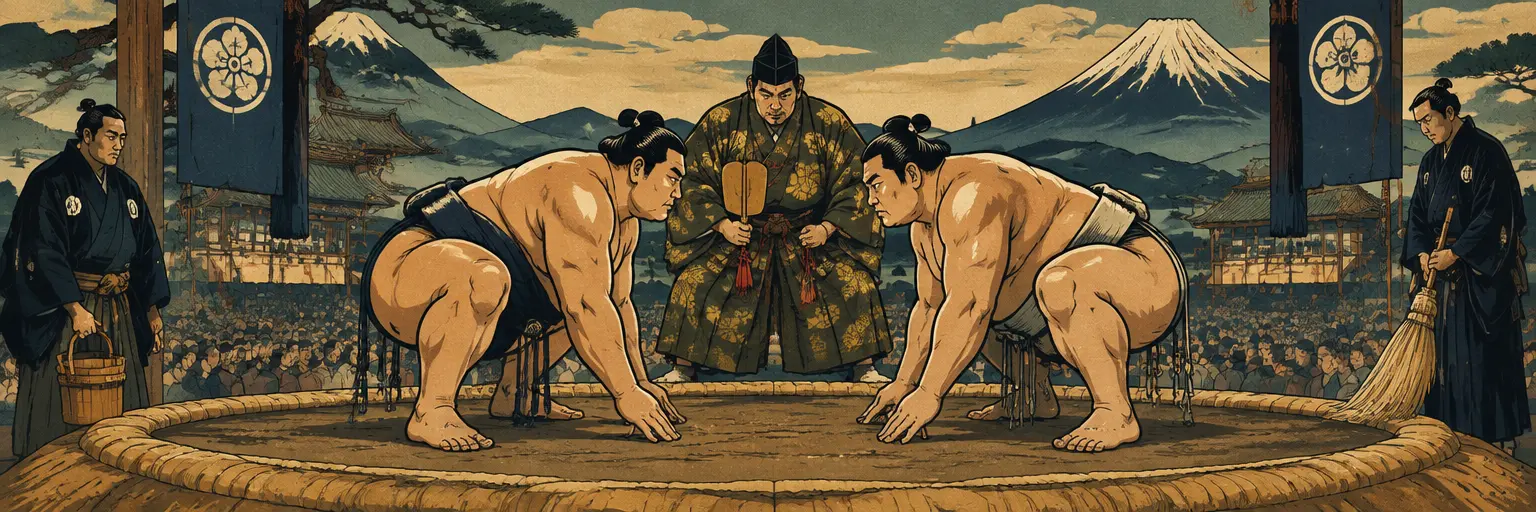
Discover the ancient world of Sumo, Japan’s national sport and a living tapestry of history, ritual, and raw technique. More than a test of strength, Sumo is a Shinto-infused discipline where every stomp, salt toss, and stare-down carries centuries of symbolic meaning. Explore its imperial origins, from mythological creation tales to feudal-era professional ranks, and learn how rikishi (wrestlers) train their bodies and minds in a rigorous, tradition-bound lifestyle. Uncover the sacred rituals that precede each bout—the shiko leg stomp to ward off evil, the ring-entering ceremonies, and the referee’s ornate gestures—before diving into the 70+ winning techniques (kimarite), from the lightning-fast hatakikomi slap-down to the powerful yorikiri frontal force-out. Whether you’re a curious fan or aspiring practitioner, this guide decodes the unseen strategy behind every charge, the psychological warfare of the initial tachi-ai clash, and the spiritual core that makes Sumo a unique blend of combat sport and living heritage. Step into the dohyō and witness how tradition meets explosive athleticism in one of the world’s most fascinating martial arts.
🥋 Discover the mastery behind Hatakikomi deceptive slap technique training, a crucial skill in martial arts that combines precise timing and strategic…
Read article
💧Discover the ancient Chikara water ritual training, a powerful martial arts practice rooted in harnessing water’s strength and flow. Explore how ChikaraMizu…
Read article
💪 Discover Sumo's profound cultural significance beyond its status as Japan's national sport. MartialArtsMastery.org explores this ancient discipline's deep roots and enduring…
Read article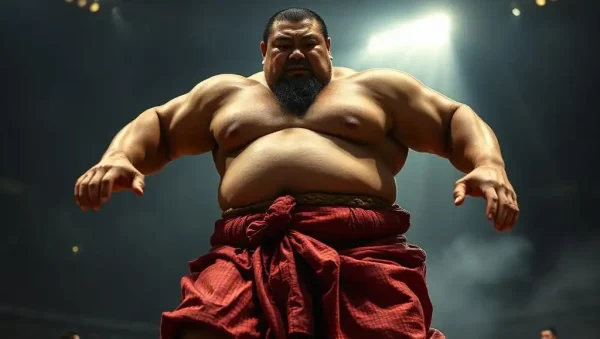
🏆 Ascend the sumo wrestler ranking system and discover the unique privileges, immense pressures, and profound responsibilities faced by Yokozuna, Ozeki, and…
Read article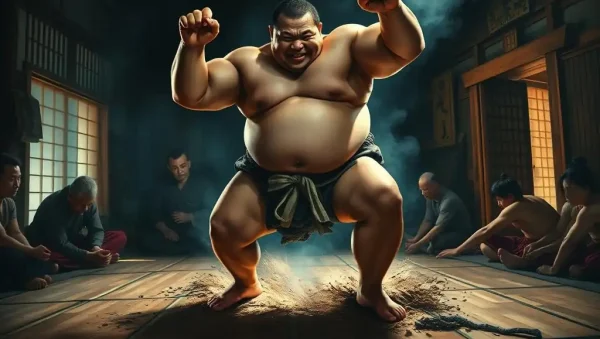
🥋 Discover the intense world of sumo wrestler training lifestyle, where rigorous discipline, hierarchical structure, and communal living forge legendary athletes—highlighting the…
Read article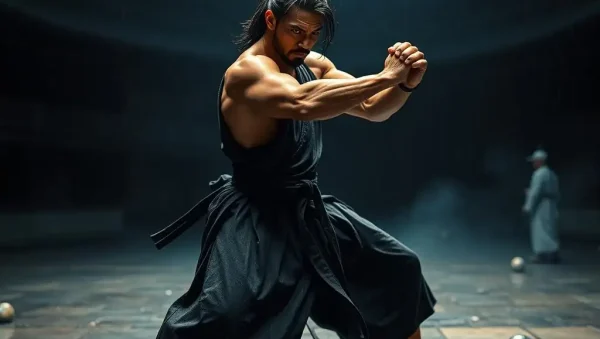
✨ Master the Shikiri stance martial arts, dissecting its strategic posture, controlled breathing, and devastating psychological warfare. Uncover the secrets behind this…
Read article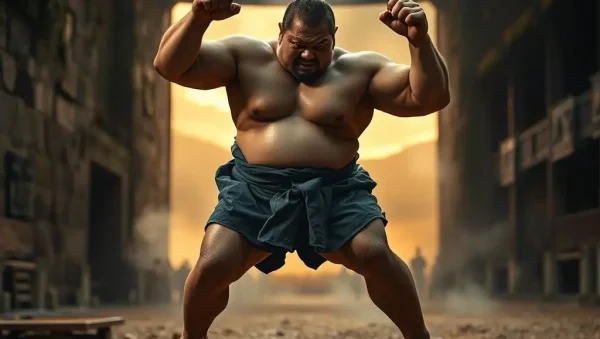
🗾 Explore the fascinating evolution of sumo wrestling venue history, from ancient open fields to the iconic Ryōgoku Kokugikan, highlighting how these…
Read articleWelcome to Martial Arts Mastery's dedicated page on Sumo, a sport that transcends mere combat to embody centuries of Japanese tradition, spiritual discipline, and raw physical power. Known as Japan's national sport, Sumo offers a fascinating blend of Shinto rituals, rigorous training, and strategic grappling. This page serves as your comprehensive guide to understanding the rich historical tapestry, the sacred ceremonies that define each match, and the precise techniques that determine victory. Whether you are a martial artist exploring diverse combat systems, a history enthusiast, or someone curious about this iconic sporting spectacle, our in-depth content will elevate your knowledge. We focus on high-value keywords like sumo history, sumo rituals, kimarite techniques, and sumo training, ensuring you find exactly what you need for research, practice, or appreciation.
Sumo's roots extend deep into ancient Japanese mythology, where it was believed that the very islands of Japan were formed by the gods through a wrestling contest. Historically, sumo began as a Shinto agricultural rite, performed to entertain the deities and ensure bountiful harvests. Over time, it evolved from a ritualistic dance into a martial art used by samurai in close-quarters combat. By the Edo period (1603-1868), sumo transformed into a professional spectator sport, formalized with the rules and ranking systems we recognize today. Understanding this evolution helps contextualize the reverence and pageantry still present in every modern tournament, from the Makuuchi division down to the junior ranks.
In this section, you can expect to uncover the key historical milestones, including the influence of imperial patronage and the establishment of the Nihon Sumo Kyokai (Japan Sumo Association). We explore how sumo survived the Meiji Restoration's rapid modernization and how it adapted post-World War II to become a global phenomenon. The narrative highlights famous yokozuna (grand champions) like Taiho and Chiyonofuji, whose legendary careers shaped public perception and technique standards. You will also learn about the foreign rikishi (wrestlers) like Akebono and Hakuho, who broke cultural barriers and expanded sumo's international appeal, proving that this ancient sport remains dynamic and relevant.
Every sumo match is deeply embedded with Shinto symbolism and ritual, transforming a physical contest into a spiritual ceremony. The main arena, called the dohyo, is considered sacred ground, and its construction involves a dedicated Shinto purification ceremony. Before each bout, wrestlers perform the shiko (stomping exercise), which serves to drive away evil spirits and display power. The salt throwing (shio) is another essential purification act, while the chirichozu (rinsing of the mouth and hands) symbolizes cleansing one's spirit before combat. Even the mawashi (loincloth) and the oicho-mage (topknot) have traditional significance, representing the wrestler's status and dedication to the sport's principles of honor and discipline.
Readers will gain a clear visual and conceptual understanding of these ceremonies through our detailed explanations. This segment demystifies the pre-match movements, explaining why the yokozuna dohyo-iri (ring-entering ceremony) is considered the most prestigious ritual in sumo, involving a separate and ornate braided rope. We also describe the role of the gyoji (referee), whose elaborate costume and fan commands mirror the historical court attire. Expect to learn the exact sequence of actions—from the initial sonkyo squat to the final bow—and how these rituals create a unique atmosphere of tension, respect, and anticipation that is unrivaled in any other martial art or combat sport.
The technical depth of sumo lies in its kimarite, the official 82 winning techniques recognized by the Sumo Association, though only a handful are used frequently. At its core, sumo is not about brute force but about leverage, balance, and tactical positioning (known as rikishi). The most common techniques include yorikiri (frontal force-out), oshidashi (frontal push-out), and tsukidashi (thrust-out), which involve overwhelming the opponent with strength and drives. On the other hand, defensive or counter-techniques like hatakikomi (slap down) and hikiotoshi (pull down) exploit the opponent's momentum to topple them. The classification system ranges from ashi-waza (leg the techniques) to sukui-waza (scooping techniques), each requiring split-second reflexes and exceptional body control.
Expect a breakdown of the most effective and frequently used kimarite, with clear descriptions of how each move is executed. We analyze the physics behind a powerful tachi-ai (initial charge), the explosive move that often decides the match, along with the strategic importance of monoii (referee discussions) in controversial finishes. Beyond the list, we discuss the training methods professional sumo wrestlers use to master these techniques, such as butsukari-geiko (repeated push practice) and teppo (arm strokes). This section is essential for aspiring practitioners or coaches who wish to understand what separates a novice from a sekitori (professional ranked wrestler) regarding technical proficiency and tactical awareness.
The physical demands of sumo are legendary, requiring substantial muscular strength, explosive power, and exceptional flexibility. A sumo wrestler's daily life is centered around a strict training schedule known as keiko, which begins at dawn. The core of this regimen includes basic exercises like shiko (stomping), matawari (leg stretching), and suriaashi (foot sliding), which are performed repeatedly to build unstoppable lower-body stamina and root the wrestler in the dohyo. Additionally, wrestlers engage in sparring sessions against various body types and experience levels, learning to read opponents and adapt on the fly. The infamous chanko-nabe (the hearty stew) is central to their diet, providing the necessary calories and nutrition to sustain the heavy physique essential for this sport.
Our coverage goes beyond the physical workouts to discuss the mental toughness and discipline required to succeed. You will learn about the hierarchical heyas (stables) where young wrestlers live, train, and serve their senior counterparts, instilling a culture of resilience and respect. We explore the importance of weight management and the balance between mass and agility, as modern sumo emphasizes leaner, more athletic body types. Furthermore, we touch upon the injury prevention and recovery practices used by professionals, including traditional massages and medicinal baths. By the end of this segment, you will understand why sumo is considered one of the most physically and mentally taxing martial arts, demanding unwavering dedication and lifelong commitment not just to win, but to embody the sport's ethos.
Today's sumo is a highly structured professional sport with a stringent ranking system (Banzuke) that reflects a wrestler's performance over the six annual honbasho (grand tournaments). The pinnacle is the Yokozuna rank, given only to the most dominant wrestlers and carrying a heavy burden of flawless output. Below them are Ozeki and other sanyaku ranks, followed by the Juryo division, which separates true professionals from the lower Makushita ranks. This elaborate hierarchy ensures constant drama and rebuilding, where a single victory or defeat can dramatically alter a wrestler's standing and salary. The sport’s culture is now globally accessible, with English-language broadcasts and digital platforms allowing international fans to follow every bout and ranking change live.
Understand the economic and fame dynamics of modern sumo, including the sponsorship systems where companies provide prizes in envelopes waved by the gyoji. We also discuss the controversies and reforms, from match-fixing scandals to the inclusion of foreign-born champions, all shaping its current trajectory. Explore how sumo has impacted Japanese popular culture, appearing in anime, films, and literature, while also influencing the martial arts world with its focus on core strength and explosive starts. This isn’t just a history lesson; it’s a deep dive into a living, breathing institution that reveres tradition yet evolves with the times, making it a fascinating subject for any martial arts enthusiast or cultural scholar.
The objective is straightforward: force your opponent to touch the ground with any part of their body other than the soles of their feet, or push them out of the ring (dohyo). The wrestlers battle within a 4.55-meter circle, and the first to step outside or fall inside loses.
While there is no strict weight minimum, becoming a professional is highly challenging. Most join stable-based training schools after high school, needing exceptional physical prowess and discipline. Foreign wrestlers must navigate specific entry requirements, though talented individuals can progress to top ranks.
There are six major tournaments (honbasho) annually in Japan—three in Tokyo and one each in Osaka, Nagoya, and Fukuoka. Each lasts for 15 days, where every top-division wrestler competes once daily, accumulating wins for ranking adjustments.
Salt is a Shinto purification symbol. Throwing it into the ring before a match serves to cleanse the area of evil spirits and mentally purify the wrestler, easing pre-bout tension. It’s a ritual steeped in thousands of years of spiritual tradition rather than mere superstition.
The most frequent winning moves are yorikiri (frontal force-out) and oshidashi (frontal push-out), accounting for roughly 30-40% of professional wins. These techniques rely on advanced leverage and sustained forward pressure, showcasing sumo's primary tactical philosophy of relentless, direct domination.







