Using Common Objects as Weapons: Krav Maga's Improvised Defense
💥 Master Krav Maga's improvised weapon defense: Transform everyday objects into potent tools for survival. Learn practical, street-ready techniques for real-world threats…
Read article
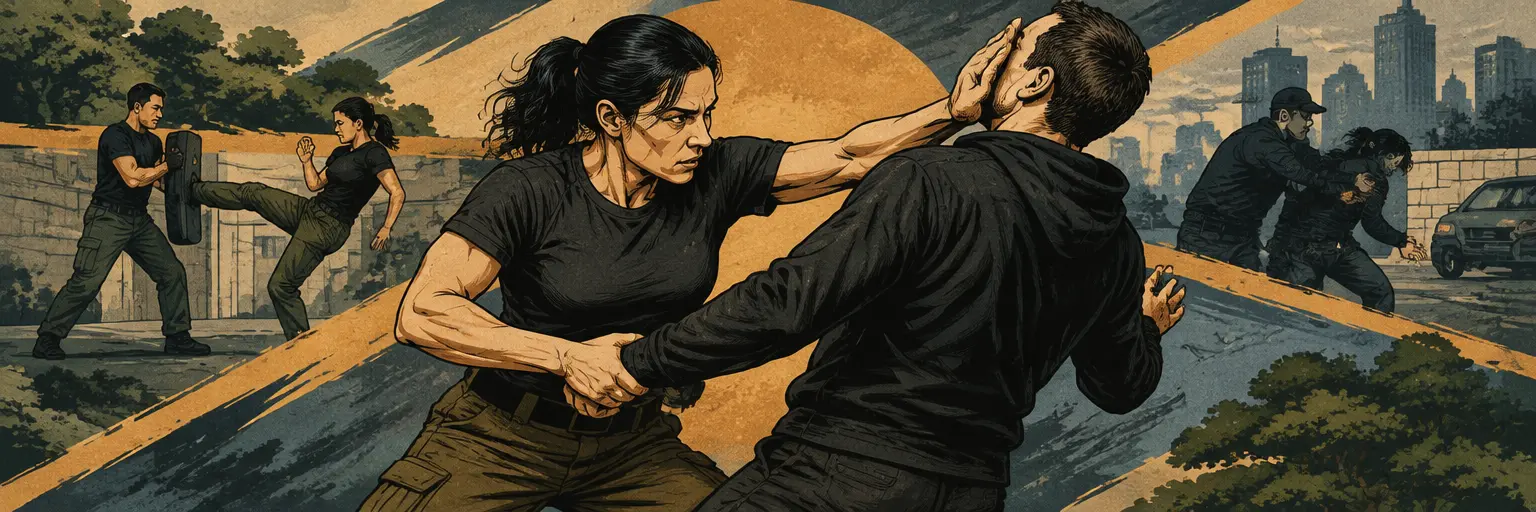
Krav Maga is not your traditional martial art—it’s a reality-based self-defense system built on instinctive movements, brutal efficiency, and rapid neutralization of threats. Developed for the Israeli military, its core principles are simple: attack the vulnerable points, use natural reflexes, and end the fight as quickly as possible. Unlike sport-oriented styles, Krav Maga training focuses on real-world scenarios—knife threats, gun grabs, and multiple attackers—while emphasizing situational awareness and aggressive counterattacks. Whether you’re a beginner or a seasoned fighter, these principles transform your mindset from “fighting fair” to surviving at all costs. Explore how this no-nonsense system strips away the formality of martial arts and replaces it with practical, life-saving techniques you can apply immediately on the street.
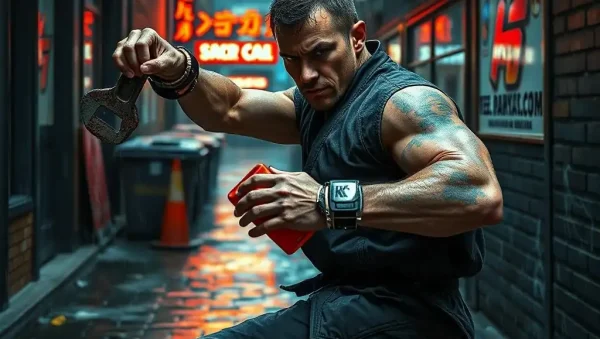
💥 Master Krav Maga's improvised weapon defense: Transform everyday objects into potent tools for survival. Learn practical, street-ready techniques for real-world threats…
Read article
🥋 Discover effective Krav Maga drills at home with our safe and practical training tips. Perfect for enhancing your self-defense skills, these…
Read article
🧠 Unlock peak performance with Krav Maga mental visualisation. MartialArtsMastery.org explores how rehearsing techniques mentally sharpens reflexes and builds confidence, transforming your…
Read article
🥋 Mastering the Krav Maga scenario debriefing process is essential for refining skills, understanding mistakes, and building confidence. This critical step enhances…
Read article
💥 Discover why Krav Maga's brutal efficiency translates to real-world Krav Maga street self defense. MartialArtsMastery.org explores its proven effectiveness, moving beyond…
Read article
🥋 Discover how Krav Maga self defense adapts seamlessly for all ages and abilities, making it an empowering and practical martial art…
Read article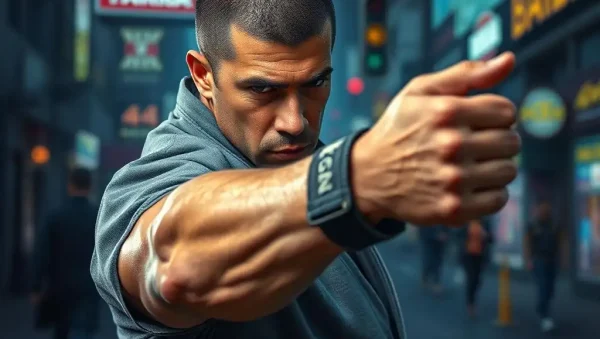
🥋 Discover the power of Krav Maga weapon defenses—realistic, effective training designed for life-threatening situations. At MartialArtsMastery.org, explore how this practical self-defense…
Read articleKrav Maga, Hebrew for "contact combat," is not your traditional martial art—it is a tactical survival system developed for the Israeli Defense Forces and now adapted for civilians worldwide. Within this subcategory, you will uncover the core principles that separate Krav Maga from sport-based disciplines, focusing on instinctive movements, simultaneous defense and attack, and brutal efficiency. This page is your gateway to understanding how reality-based training prepares you for unpredictable street encounters, not the dojo. We’ll break down the system's philosophy, key techniques, and the mental conditioning required to thrive under stress, ensuring you grasp why Krav Maga has become a global gold standard for self-defense.
Krav Maga rejects complex, flowery forms in favor of natural, reflexive movements that work under adrenal stress. The central principle is to neutralize a threat as quickly as possible using the most accessible weapon—whether that’s a palm strike, knee, or headbutt. Training emphasizes gross motor skills over fine motor skills because fine movements degrade under panic. You’ll learn to target vulnerable areas like eyes, throat, and groin immediately, while simultaneously moving off the line of attack. This principle-driven approach ensures that even a novice can execute effective defenses after a few sessions, making it ideal for those who lack years to dedicate to traditional martial arts.
Another pillar is the concept of "default to the threat." Pre-attack indicators, such as a clenched fist or shifting weight, are drilled until you respond before the punch arrives. Striking first when danger is imminent is not aggression but survival. The system also teaches continuous motion—never stopping after one counter-strike, but following up with multiple, decisive blows until the attacker is no longer a threat. By internalizing these principles, you transform from a passive victim into a proactive defender, understanding that every second of hesitation can be fatal. Expect to practice scenario-based drills that mimic real-world attacks, from sucker punches to armed hold-ups, forging a mindset where survival overrides ego or sportsmanship.
Unlike sparring in boxing or grappling in BJJ, Krav Maga training simulates chaotic, messy violence without rules. You’ll face armed attackers, multiple opponents, and attacks from behind, often in low-light or confined environments. This subcategory covers the essential drills: defending against knife slashes, gun threats from various ranges, and blunt weapon impact—all while wearing street clothes, not a gi. The goal is to condition your nervous system to function when your heart rate spikes and your vision narrows. Each drill explicitly teaches you to identify the weapon and the attacker’s intent, then apply the appropriate response, whether it’s disarming or creating distance to escape.
Stress inoculation is a key component of reality-based training. Instructors use loud noises, sudden movements, and even physical resistance to simulate the shock of an ambush. You’ll practice falling safely after being shoved, getting up while fending off kicks, and fighting from the ground against a standing aggressor. Beyond tactics, you’ll learn legal and ethical boundaries—knowing when to defend, when to flee, and how to articulate your actions afterward. This page also addresses the psychological realities of violence, including the freeze response and how to override it with trained patterns. Expect honest discussions about the aftermath of a self-defense incident, including potential injuries and legal consequences, ensuring you are mentally prepared, not just physically capable.
Krav Maga’s striking arsenal focuses on palm heels, elbows, knees, and low kicks—weapons that are least likely to injure your hands. We’ll detail the proper body mechanics for generating power without telegraphing your intent. Defenses against straight punches, haymakers, and headlocks are built on the principle of "bursting inward"—using your strongest bones against their weakest. You’ll master the 360-degree defense, a universal block against knife attacks, and learn every counter to a choke or bear hug. Additionally, you’ll practice neutralizing wrist grabs with leverage, not strength, making it viable for smaller defenders.
Throws and takedowns in Krav Maga are pragmatic, aiming to put the attacker on the ground violently before following up with kicks. Unlike judo’s complex sweeps, Krav Maga uses trips and presses that rely on momentary off-balancing. We also cover disarming techniques, transforming a gun or knife threat into a broken limb or a controlled weapon. Each technique is linked to a specific trigger—for instance, if the gun is pressed to your temple, the response differs from when it’s held at your chest. You’ll also learn defensive tactics against common sexual assault scenarios, such as bear hugs from behind or being pinned on your back. These tools are rehearsed until they become hardwired, allowing you to react without conscious thought.
Physical technique alone is insufficient; Krav Maga demands mental fortitude. This section explores the three pillars of combat psychology: situational awareness, decisiveness, and aggression. Situational awareness involves scanning for exits, potential weapons, and body language cues of an aggressor, often before any physical contact. Decisiveness means committing fully to your defense—half-hearted strikes are worse than none. Aggression, in this context, is channeled fury, overriding hesitation or compassion during a life-or-death encounter. You’ll train to switch instantly from peaceful civilian to lethal defender, then back, learning to control the switch to avoid escalation when unnecessary.
Visualization is a proven tool in Krav Maga. Athletes actively rehearse various attack scenarios in their minds, pre-wiring neural pathways for motor responses. Many instructors integrate breathing techniques to lower heart rate and enhance cognitive function during stress. You’ll also confront the reality of pain—knowing that you may be stabbed or shot but still must counter-attack. This mental conditioning extends beyond self-defense, fostering resilience in everyday challenges. By adopting a survivor’s mindset, you start seeing potential threats everywhere, from parking garages to stairwells, and prepare accordingly without living in fear. This psychological edge often deters criminals, who prefer weak, distracted targets.
Krav Maga originally developed for military personnel has evolved into a civilian-centric system, addressing specific threats like robbery, home invasion, and personal harassment. Modern trainers incorporate elements from boxing, Muay Thai, wrestling, and escrima, cross-pollinating effective techniques while discarding anything not proven under fire. We cover the differences between the Israeli military method, the civilian "Krav Maga Worldwide" curriculum, and hybrid systems like "Krav Maga Self-Defense" used by law enforcement agencies. You’ll learn about the "360° contact" approach, which teaches defending against attacks from any angle, including from the ground.
Adaptations also include specialized courses for women, children, and seniors, focusing on escapes and avoidance over prolonged combat. For example, children learn to scream, run, and bite, while seniors practice fall breaks and weapon defenses with reduced mobility. There’s also an emphasis on de-escalation—using verbal commands and body language to diffuse a situation before it escalates, which is rarely found in traditional martial arts. This continuous refinement, driven by real-world data from military operations and violent encounters, ensures Krav Maga remains current. As an art, it’s not static; it evolves with crime trends, legal precedents, and discoveries in human biomechanics. Therefore, this subcategory will keep you updated on the latest drills and philosophical shifts within the global Krav Maga community.
Krav Maga focuses exclusively on survival, not sport or competition. It uses instinctive, aggressive responses, continuous defense-and-attack, and targets vulnerable points. Training simulates real street situations with weapons and multiple attackers, while sports arts like karate or BJJ have rules, scoring, and conditioned partners. Krav Maga’s simplicity makes it testable quickly and effective under stress.
No, beginners of any fitness level can start. Instructors adapt techniques to your current strength and mobility. However, consistent training improves cardiovascular endurance, functional strength, and flexibility. You may find it challenging initially, but the system’s focus on biomechanics means you’ll become efficient without needing bulging muscles.
Most students see basic defensive competence within three to six months of consistent practice (2-3 sessions per week). Full proficiency, including handling armed attackers and multiple opponents, typically takes 2-3 years. However, proficiency is measured by your mental and physical response, not belt rank. Focus on realistic scenario training for faster results.
Yes, but you must use force proportionally to the threat. Krav Maga teaches you to escape and disengage once the immediate danger has passed. Legally, you can defend yourself against imminent harm, but you cannot pursue or retaliate after an attacker ceases. Training includes legal modules to help you understand self-defense laws in your area.
Absolutely. Krav Maga is designed to neutralize size and strength asymmetries by targeting vulnerable areas like eyes, throat, and groin, using leverage and momentum. Women’s classes emphasize escaping common assault scenarios—like being pinned or choked from behind—and amplifying the element of surprise. The psychological empowerment is equally significant.







