Mastering Southern Praying Mantis Kung Fu: The Art of Close-Range Combat
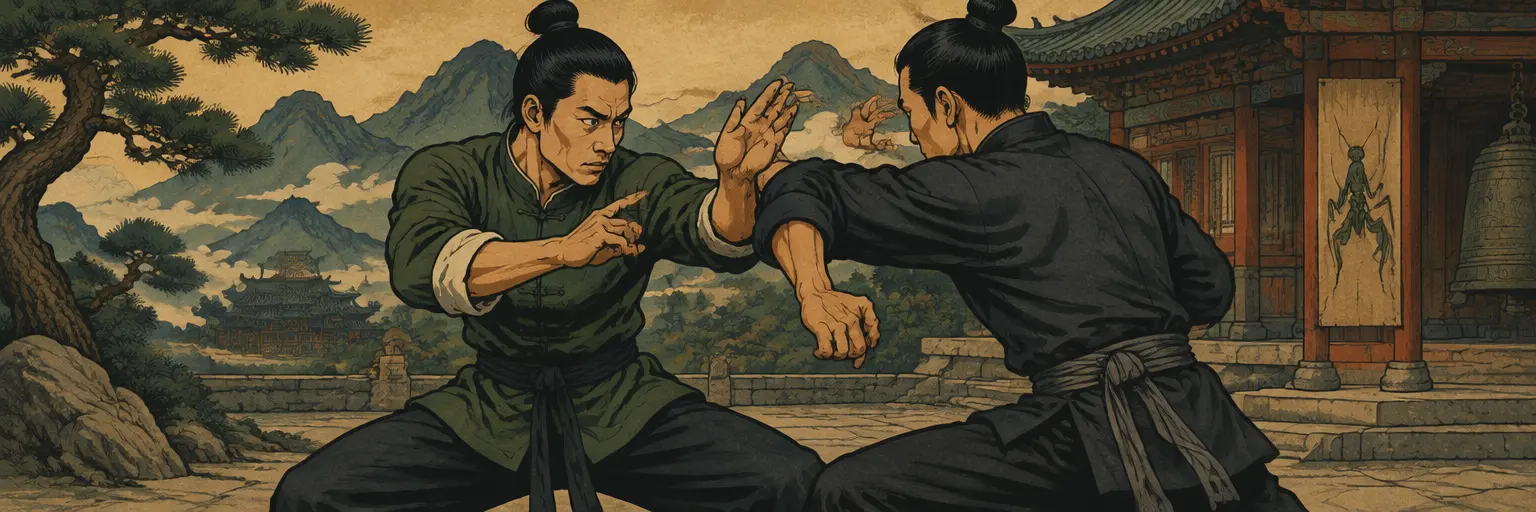
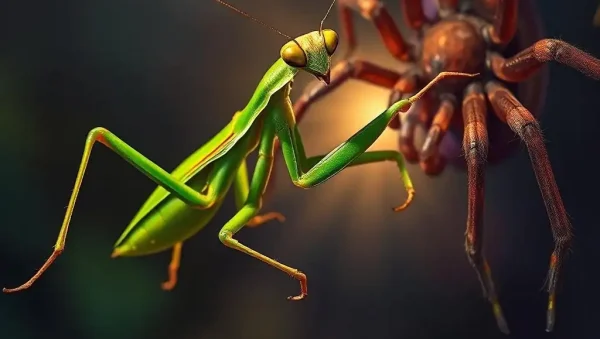
Southern Praying Mantis Kung Fu is a devastatingly effective Chinese martial art renowned for its explosive short-range power, intricate hand trapping, and relentless forward pressure. Unlike its Northern namesake, which favors wide kicks and acrobatics, the Southern style—especially the Chow Gar, Chu Gar, and Iron Ox lineages—focuses on sinking stances, rapid-fire strikes, and controlling the opponent’s limbs within arm’s reach. At MartialArtsMastery.org, this subcategory dives deep into the techniques, historical roots, and tactical principles that make Southern Praying Mantis a feared close-quarters combat system. Here, you’ll learn how to turn clinch distance into a kill zone using sticky hands (chi sao-style sensitivity) and body mechanics that generate bone-jarring force from minimal movement.
🦗 Core Principles of Short-Range Power Generation
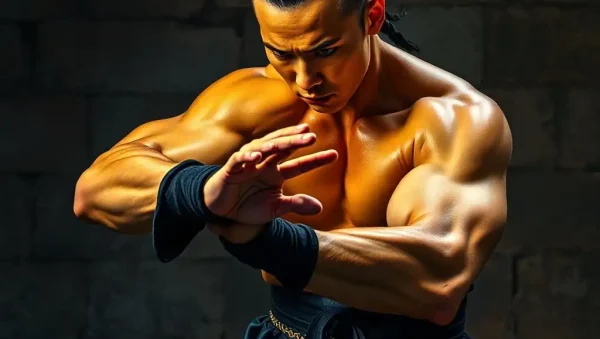
Southern Praying Mantis is built on the concept of “short power” (cun jing), where force is delivered from the waist and spine without telegraphing wind-up. Practitioners learn to relax the shoulders, drop the elbows, and use the “swallow” and “spit” breathing to drive strikes through the opponent’s centerline. The style emphasizes horizontal punching, hammer fists, and elbow strikes that travel only inches yet penetrate deeply, making it ideal for alleyways, hallways, or any confined space where long kicks fail.
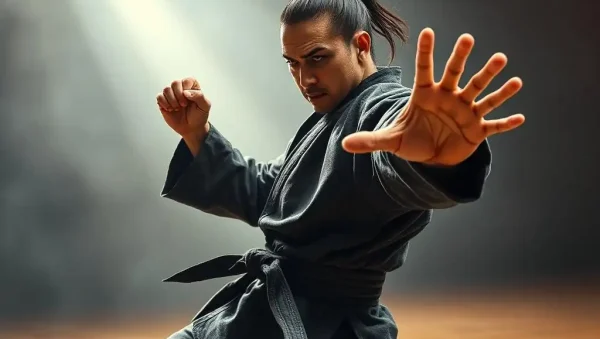
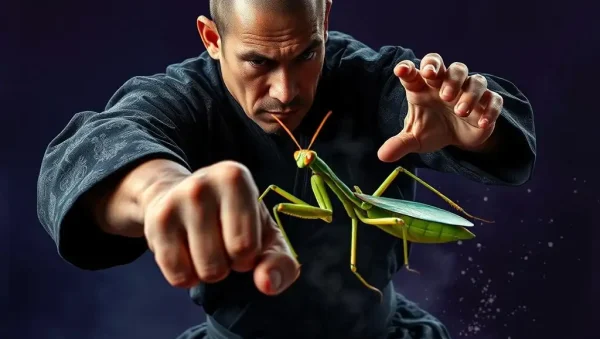
To master this, drills like “silk reeling” and “iron bridge” conditioning build tendon strength and structural alignment. Expect to spend significant time on sam sing (three-step) footwork and the signature “mantis claw”—a hand shape that grips, tears, and traps simultaneously. The goal is to use the opponent’s own momentum against them, redirecting their force into a counter-storm of rapid, close-in hits that end fights in seconds.
🥋 Sticky Hands and Trapping Combinations
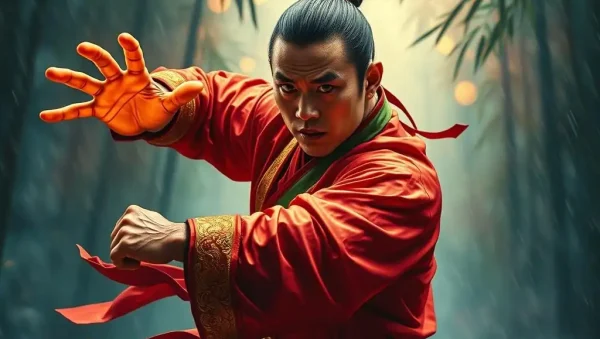
Unlike Wing Chun’s rolling chi sao, Southern Praying Mantis uses “cold hands” (lau sau)—a system of intercepting, sticking, and controlling the forearms with a distinctive downward pressure. You’ll learn sequences like “Da Sao” (hit-strike) and “Got Sao” (cutting hand) that overload the opponent’s sensory response, forcing them to react to false attacks while your real strikes slip underneath. These trapping chains are trained against a wall or with a partner, emphasizing “shoulder-to-shoulder” alignment and constant tactile feedback.
The subcategory provides breakdowns of classic applications, such as “Bong Tui” (winging leg) and “Sum Pai” (heart palm), showing how a defender can collapse an incoming punch into a shoulder lock or neck crank. Practice focuses on “listening energy”—feeling the opponent’s weight shifts and muscle tension—so you can seamlessly transition from defense to attack without resetting your stance. This section is essential for anyone wanting to bridge the gap between theory and real-time combat flow.
⚔️ Historical Lineages: Chow Gar, Chu Gar, and Iron Ox
The Southern Praying Mantis family tree is rich and guarded, with three primary branches you’ll explore here: Chow Gar (oldest, most commonly taught), Chu Gar (known for its “iron body” conditioning), and Iron Ox (a hybrid that incorporates more kicking and wrestling). Each lineage shares the same core logic—short steps, vertical fist, and a “dragon back” posture—but differs in emphasis. Chow Gar stresses “hard-soft” transitions, while Chu Gar focuses on bridging with forearms that feel like steel bars.
Your journey here includes biographical profiles of legends like Lau Soei (founder) and Jong Sing (who popularized the style in Hong Kong), plus insights into how the art was taught in village self-defense societies. Understanding these roots helps you appreciate why the style avoids high kicks: it was developed for fighting in narrow alleys and against armed bandits. This historical context enriches your training, making every form (taolu) meaningful beyond mere choreography.
🛡️ Practical Self-Defense Tactics for Urban Environments
In modern street fights, close-range clinches are inevitable. Southern Praying Mantis offers specific counters to common attacks like headlocks, bear hugs, and shirt grabs. You’ll learn to use the “mantis hook” to break grips, then immediately launch a “threading palm” to the throat or groin. The style’s signature “seven star” stepping allows you to pivot 45 degrees to evade haymakers, while the “dragon tail” sweep takes down opponents without sacrificing balance.
Training includes scenario drills where you defend against punches from various angles, using your “face bridge” (forearm bone) to check strikes and then collapsing into a barrage of short punches. Also covered is how to use environmental obstacles—walls, pillars, tables—as aids for trapping and positional advantage. These tactics are pragmatic, avoiding flashy techniques that fail under adrenaline. By drilling these patterns, you develop muscle memory that kicks in automatically when you’re surprised, making Southern Praying Mantis a top choice for personal protection.
🧘 Training Drills and Conditioning Specifics
To execute close-range combat effectively, your body must be resilient. This subcategory details the “iron palm”-style conditioning (jie kuen) that hardens the hand and forearms, plus “horse stance” endurance work to stabilize your base. Drills like “striking sandbags” and “wall bag” work develop impact power without joint strain, while “sickling” exercises improve finger grip for the mantis claw. You’ll also find partner routines for “luk dik” (six elbows) that teach simultaneous attack and defense.
The conditioning philosophy is “iron wrapped in cotton”—hard contact surfaces but fluid, relaxed movement. Expect to use heavy bags, wooden dummies, and focus mitts, with an emphasis on “thin body” breathing to manage energy output. This section offers a month-by-month training plan for beginners, ensuring you build foundational strength before attempting advanced trapping chains. Always warm up with joint rotations and cool down with stretching to prevent overuse injuries common in repetitive striking arts.
Frequently Asked Questions
How is Southern Praying Mantis different from Northern Praying Mantis?
Southern Praying Mantis is shorter, lower, and more direct than its Northern counterpart. Northern forms use wide kicks, leaps, and circular motions, while the Southern style stays rooted, advances with quick shuffles, and strikes only from close range. Also, the hand shapes and trapping logic differ—Southern relies on heavy forearm pressure and downward hooks, whereas Northern uses more acrobatic wrist flicks and long-range intercepts.
Do I need prior martial arts experience to learn this style?
No, beginners can start Southern Praying Mantis directly, but you should expect a steep learning curve around footwork and hand coordination. The style’s intricate trapping requires patience and regular partner practice. Many schools recommend basic fitness and flexibility before starting, but the techniques themselves are learnable from scratch. Focus on mastering the horse stance and basic fist first.
What is the best conditioning for the mantis claw grip?
Use fingertip push-ups on a hard floor (start on knees), gripping and squeezing a small rubber ball or clay brick for 10 minutes daily, and doing “pinch” lifts with weighted plates using your thumb and forefingers. Also, practice “clawing” into a heavy sandbag while maintaining wrist alignment. Avoid overtraining to prevent finger joint injuries; build up slowly over months.
Can Southern Praying Mantis work against bigger opponents?
Yes, the style’s principle of “use the bridge to break the bridge” allows a smaller person to redirect a larger attacker’s force by controlling their elbows and shoulders. Short power concentrates force into a small target area, so hits to the ribs or throat are effective regardless of size. Footwork that circles off the centerline also prevents losing to raw strength, making it a viable self-defense system for lighter individuals.
How long does it take to become proficient in close-range combat using this style?
With consistent training (3–4 times weekly), you can gain functional skills in six to twelve months, including basic trapping and effective straight punches. Full proficiency—using advanced chains and responding instinctively under pressure—takes three to five years. However, regular sparring and scenario drills dramatically accelerate your ability to apply techniques in fluid, unpredictable situations.