Improving Digestion and Gut Health Through Tai Chi's Gentle Twists
🌟 Discover how Tai Chi's gentle twists can enhance your digestion and overall gut health, unlocking remarkable Tai Chi digestive health benefits…
Read article

Discover the transformative power of Tai Chi Chuan, a graceful branch of Kung Fu that transcends combat to become a profound practice for health and meditation. Often called “moving meditation,” this ancient art combines slow, flowing movements with deep breathing and mental focus, offering a unique path to stress reduction, improved balance, and enhanced flexibility. Unlike other martial arts that emphasize explosive power, Tai Chi Chuan cultivates internal energy (Qi) through mindful postures, making it accessible to all ages and fitness levels. Scientific studies highlight its benefits for cardiovascular health, chronic pain relief, and mental clarity, while its meditative core promotes emotional calm and resilience. Whether you seek a gentle workout, a deeper connection to mind-body harmony, or a low-impact self-defense foundation, Tai Chi Chuan offers a holistic practice that nurtures both body and spirit. Explore how this timeless Kung Fu discipline can revolutionize your wellness routine, reduce anxiety, and bring a sense of peace into your daily life—one deliberate movement at a time.
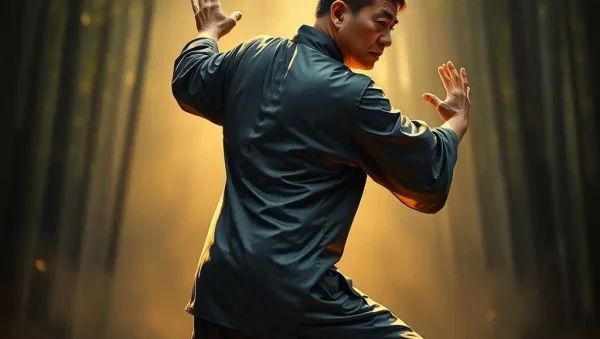
🌟 Discover how Tai Chi's gentle twists can enhance your digestion and overall gut health, unlocking remarkable Tai Chi digestive health benefits…
Read article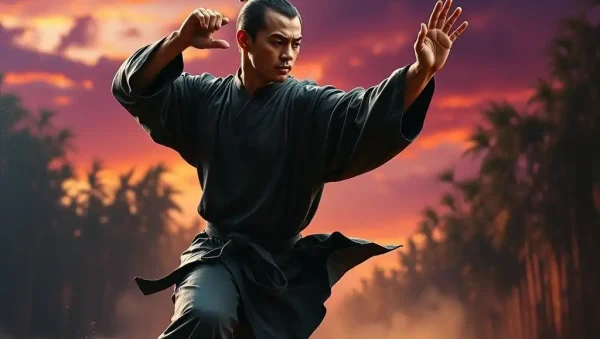
🌱 Discover how Tai Chi fibromyalgia pain relief offers a gentle, effective way to manage symptoms, blending martial arts philosophy with mindful…
Read article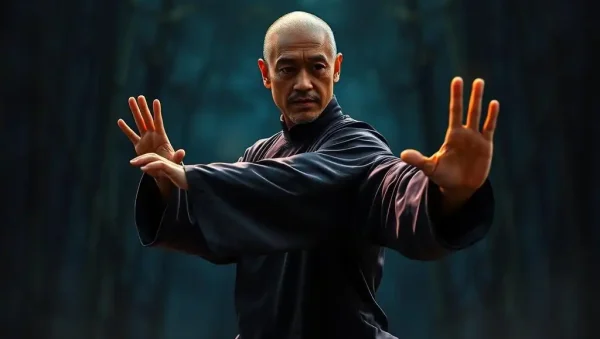
🌿 Discover how Tai Chi deep breathing health practices enhance respiratory function, promoting relaxation, vitality, and overall well-being—an essential component of martial…
Read article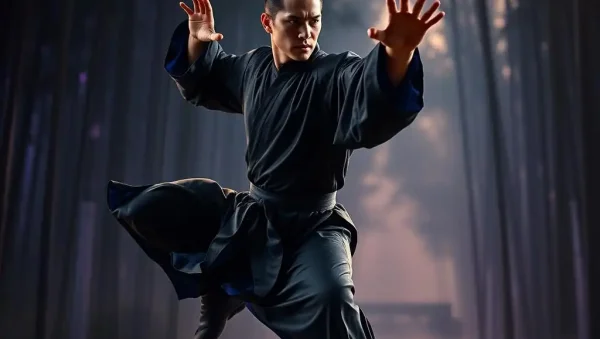
😌 Discover the profound benefits of Tai Chi for stress relief on MartialArtsMastery.org. Explore how this ancient art rejuvenates your body and…
Read article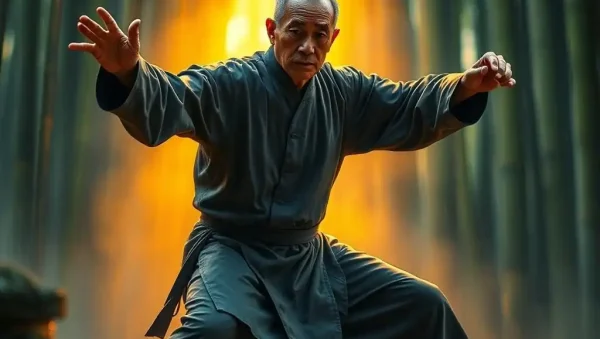
☯️ Discover Tai Chi Chuan's profound potential for chronic pain relief. This gentle practice, rooted in ancient martial arts, offers a holistic…
Read article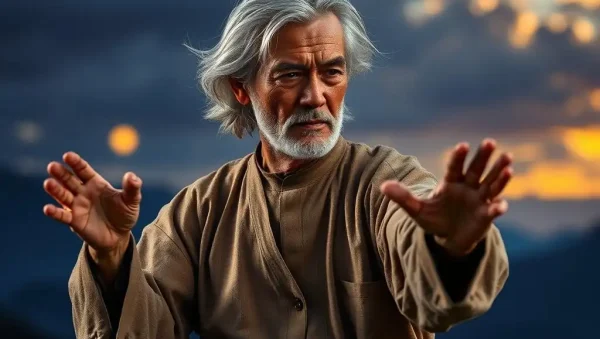
🧘 Discover how Tai Chi cultivates profound resilience, offering veterans a powerful path to improved mental health and physical well-being. Explore this…
Read article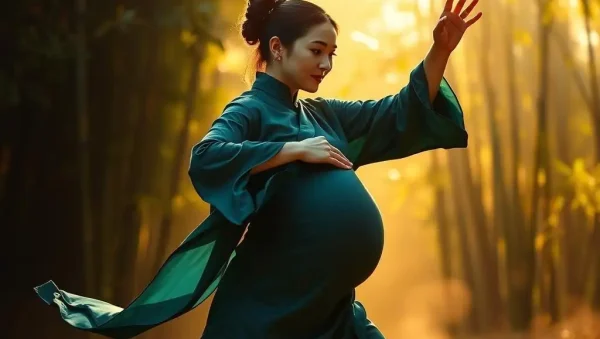
🌸 Discover the Tai chi pregnancy benefits guide on MartialArtsMastery.org. Explore how this gentle, ancient practice promotes maternal wellbeing through mindful movement,…
Read articleWelcome to the Health Benefits and Meditation facet of Tai Chi Chuan, a graceful branch of Kung Fu that transforms combat principles into a moving meditation for modern wellness. Unlike explosive external styles, this internal martial art emphasizes slow, deliberate flow, deep breathing, and mental focus. Here, you will explore how centuries-old Chinese martial wisdom supports joint health, stress reduction, cardiovascular fitness, and emotional balance, making it accessible to all ages and fitness levels.
Practicing Tai Chi Chuan’s slow forms gently strengthens your lower body, improves proprioception, and increases joint mobility without harsh impact. The weight-shifting patterns mimic daily movements, reducing fall risk in older adults while building lean muscle tone. Regular practice also enhances spinal alignment and core stability, offering a low-impact alternative to high-intensity workouts. Expect noticeable improvements in posture and endurance within a few weeks of consistent training.
This subcategory highlights how the martial art’s circular movements lubricate joints, making it ideal for arthritis sufferers. Studies show that Tai Chi’s controlled motions lower blood pressure and improve circulation. You’ll learn specific postures—like "Wave Hands Like Clouds"—that target hip and knee resilience. By integrating mindful movement with breath, you activate the parasympathetic nervous system, promoting recovery and reducing chronic pain perception naturally.
Tai Chi Chuan is often called "meditation in motion" because each posture requires absorbed attention, pulling your mind away from daily stressors. This dual focus on breath and movement trains your brain to enter a calm, alert state, reducing cortisol levels and anxiety. Practitioners report better sleep quality, improved mood regulation, and heightened emotional stability after just eight weeks. The meditative component also cultivates mindfulness that extends into daily decision-making.
Here, we break down the neuroscience behind slow movement: how it increases gray matter density in areas tied to memory and emotional control. You will explore "standing meditation" (Zhan Zhuang) as a static complement to flowing forms, boosting concentration span. The discipline teaches you to observe thoughts without judgment, a skill that reduces rumination and builds mental toughness. This section guides you through breathing techniques that lower heart rate variability and foster a resilient, peaceful mindset.
Dive into the two pillars of Tai Chi meditation: the solo form (e.g., Yang 24 or Chen style) and stillness practices. The solo form is a choreographed sequence of martial applications performed slowly, internalizing body mechanics while calming your mind. Still meditation, including "embracing the tree," focuses on breath, posture, and energetic awareness, making it a powerful grounding tool. Each approach offers distinct neurological benefits—movement enhances coordination, while stillness builds introspection.
We provide step-by-step breakdowns of foundational postures and their meditative cues, such as relaxing the shoulders and sinking the qi to the dantian. You will learn how to synchronize inhales and exhales with transitions, turning each repetition into a mindfulness anchor. This subcategory also covers "push hands" as a moving meditation with a partner, refining sensitivity and reactive calm. Expect clear guidance on starting a home practice with minimal equipment.
Beyond flexibility, Tai Chi Chuan supports immune function, bone density, and metabolic efficiency through continuous low-impact exertion. Researchers at Harvard and the NIH have validated its effectiveness in improving balance in Parkinson’s patients and alleviating fibromyalgia symptoms. The art’s holistic approach aligns with Traditional Chinese Medicine, promoting the smooth flow of vital energy (qi) to prevent illness. This section connects ancient theory with peer-reviewed evidence, ensuring trustworthiness.
We also address practical wellness integration: how to combine Tai Chi with yoga, physiotherapy, or cardiac rehabilitation. You’ll explore dietary and sleep recommendations that complement your practice, boosting recovery and vitality. For seniors, we emphasize modified forms and chair adaptations to ensure accessibility. For athletes, we reveal how Tai Chi’s relaxation response accelerates muscle repair and reduces overtraining syndrome. This is your evidence-based roadmap to whole-person health.
Starting Tai Chi Chuan does not require prior martial arts experience. Our beginner’s guide covers essential warm-ups, breathing basics, and the first 10 movements of the Yang short form. You’ll avoid frequent errors like holding tension in the shoulders, forgetting to align knees over toes, or rushing transitions. We emphasize practicing slowly and consistently—even 10 minutes daily yields measurable benefits. Video tutorial recommendations and local class finders are also included here.
Common challenges like boredom or frustration with slow pace are addressed with motivational strategies, such as focusing on micro-improvements in balance or joint mobility. We explain why "more practice" beats "harder practice" for internal arts, reinforcing persistence over intensity. Expect troubleshooting tips for dizziness (keep eyes soft), shin splints (check footwear), and breathlessness (lengthen exhale). By following this roadmap, you build a sustainable, joyful routine that grows with your skill level.
Yes, but modestly. A 60-minute session burns roughly 250-300 calories, primarily from fat oxidation. While not as intense as running, consistent practice improves metabolic efficiency and reduces stress-related overeating. Combining Tai Chi with a balanced diet and strength training yields sustainable weight management, especially for adults seeking joint-friendly exercise.
Absolutely for basics and health benefits. High-quality online courses with slow-motion breakdowns and 360-degree angles work well. However, for push hands or precision corrections, a certified instructor is advisable. Start with online tutorials to build a foundation, then attend a workshop to refine alignment and breathe patterns.
Practicing two to three times per week for at least 20 minutes shows noticeable improvements in balance and stress within 8-12 weeks. Daily practice accelerates benefits, especially for meditation depth. Consistency matters more than duration, so short, frequent sessions outperform long, occasional ones.
Tai Chi Chuan is a martial art with a structured form sequence emphasizing combat applications, while Qi Gong is a broader set of breathing and movement exercises for energy cultivation. Tai Chi incorporates Qi Gong postures, but Qi Gong alone lacks the martial transitions. For meditation and health, both are excellent; choose Tai Chi for holistic self-defense skills.
No. Loose, breathable clothing and flat-soled shoes or bare feet on nonslip surfaces suffice. Avoid overly cushioned running shoes as they reduce ground feedback. A quiet, unobstructed space of about 6x6 feet is enough. Over time, some practitioners use a yoga mat or foam roller for still meditation, but it is optional.







