The Solo Warrior's Path: Enhancing Your Skills Without a Partner
💪 Master your martial arts journey independently with essential solo martial arts training tips. Discover techniques, philosophies, and historical insights to elevate…
Read article
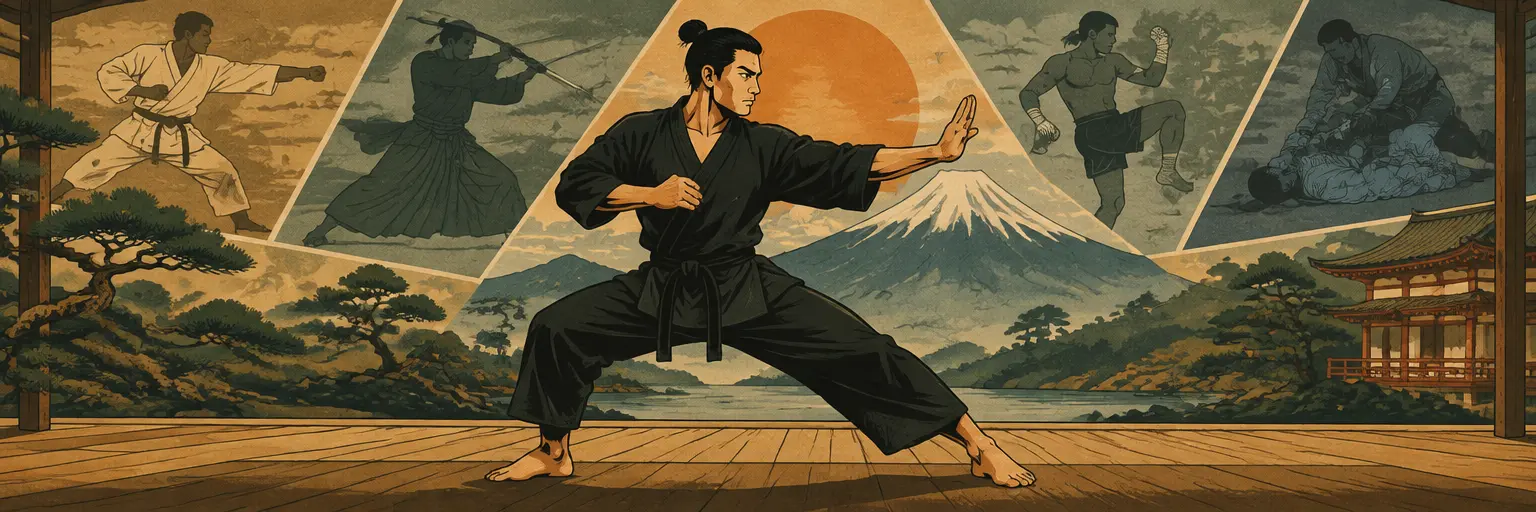
Solo training drills are the cornerstone of martial arts mastery, letting you sharpen techniques, build explosive power, and refine muscle memory even when the dojo is empty. From shadow boxing and kata repetition to footwork ladders and bag work, these drills bridge the gap between theory and instinct. Whether you’re honing striking precision, grappling transitions, or weapon handling, consistent solo practice accelerates progress in any discipline. No partner? No problem. Each session becomes a personal laboratory for speed, balance, and timing—critical attributes for real-world self-defense and competition alike. By embedding focused repetition and mental visualization into your routine, you’ll transform downtime into productive growth, building the unshakeable foundation every martial artist needs. Unlock your potential, one drill at a time.
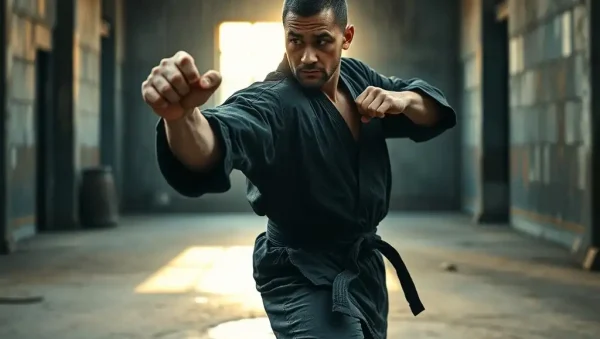
💪 Master your martial arts journey independently with essential solo martial arts training tips. Discover techniques, philosophies, and historical insights to elevate…
Read article
💪 Unleash devastating power! Master "solo martial arts drills" to amplify your striking force and hone technique, even when training alone. Elevate…
Read article
✨ Master your martial arts journey with "Solo Drills Decoded." Discover how focused solo drills martial arts training unlocks your potential, enhancing…
Read article
🔥 Master the nunchaku with our comprehensive guide to solo drills, perfect for beginners to advanced practitioners. Elevate your nunchaku control and…
Read article
⭐ Unleash your potential on MartialArtsMastery.org. Discover the "Solo Advantage" and master the profound solo martial arts training benefits that forge a…
Read article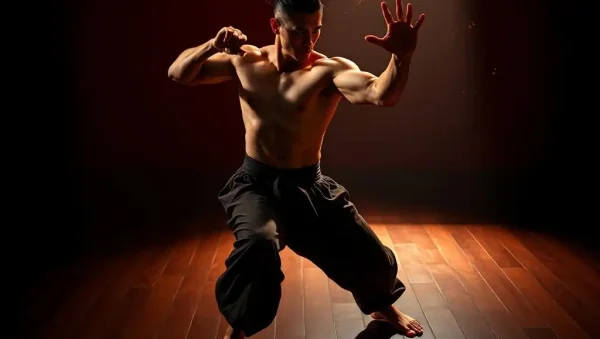
💪 Master your craft with "Unlock Your Hidden Power: The Ultimate Solo Drill Guide." Discover the profound solo drill techniques benefits that…
Read article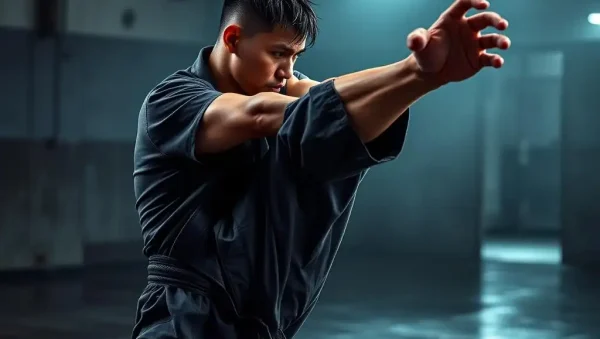
🥋 Unlock your potential with solo drills for self-correction, becoming your own best coach. Master the art and science of martial arts…
Read articleWelcome to Solo Training Drills, a cornerstone of the Training & Techniques category at Martial Arts Mastery. Whether you are a budding karateka, a seasoned Brazilian Jiu-Jitsu practitioner, or a mixed martial artist looking to refine your craft, this page is your dedicated resource for skill enhancement without a partner. Here, we focus on the fundamental truth that mastery begins within. Through structured, disciplined, and purposeful solo practice, you can build a formidable foundation in striking, grappling, footwork, and mental resilience. Dive deep into our curated drills, each designed to bridge the gap between theory and fluid, practical application, ensuring that every minute you spend training alone translates directly into superior performance inside the dojo, ring, or on the street.
Footwork is the silent engine of all martial arts, dictating both your offensive reach and defensive evasion. Our solo footwork drills go beyond simple shadowboxing, incorporating ladder drills, cone work, and pivot mechanics to simulate real combat angles. Expect to develop lightning-fast directional changes, improved balance, and the ability to maintain your stance while moving in any direction. These exercises are not just about speed; they emphasize rhythm, timing, and weight transfer, which are crucial for generating power in your strikes and setting up takedowns. By internalizing these patterns, you’ll begin to move with an organic, unpredictable flow that confuses opponents and conserves your energy for decisive moments.
As you progress, we introduce combat-specific agility circuits that mimic the ebb and flow of a live sparring session. You will learn to integrate shadow defense—slipping, bobbing, and weaving—with explosive lateral bursts, mirroring how a professional boxer or Muay Thai fighter controls distance. For grappling-centric arts, we provide drills for sprawl-and-recover movements and pivot-to-angle entries, which are vital for executing throws or passing guards. Each drill is paired with biomechanical cues to ensure you are training safe, efficient patterns that reduce joint stress while maximizing neuromuscular adaptation. This section is perfect for athletes who want to outmaneuver their peers before any physical contact even occurs.
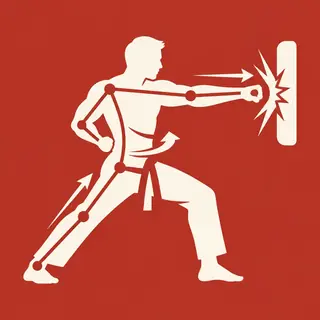
Shadow combat is your canvas to paint perfect technique. This is not just throwing punches into the air; it is a meditative, analytical practice where you visualize an opponent and respond to their imaginary attacks. In this section, we break down shadow drills for boxing, Muay Thai, and traditional karate, focusing on hip rotation, shoulder alignment, and fist orientation. Expect to refine your jab, cross, hooks, and kicks until they become second nature. More importantly, we introduce the concept of combination patterning, linking strikes into fluid sequences that transition seamlessly between high and low targets. This builds not just muscle memory but also tactical creativity, allowing you to improvise in high-pressure situations without hesitation.
We also delve into the specific cadence of a fight through solo timing drills. Here, you'll practice pha-level changes—moving from a relaxed guard to explosive impact and back to a relaxed state—to simulate the energy economy of a real bout. For practitioners of Wing Chun or Silat, we offer specialized hand-trapping and limb-control shadow sequences that enhance your sense of touch and structural awareness, even without a partner. By integrating visualization with physical movement, you will develop a sharper combat IQ, enabling you to anticipate openings and counter-strike with unmatched efficiency. This is the essence of turning your shadow into your fiercest sparring partner.
Optimal performance is impossible without a supple, resilient body. This section focuses on dynamic stretching flows, isometric holds, and joint mobility circuits specifically tailored for martial artists. We go beyond static touching your toes; we train active flexibility, which is the ability to control your limbs through a full range of motion under force. Expect kick-specific drills that improve your chambering height and snap, as well as hip-opening sequences essential for high guards, low stances, and grappling entanglements. Each routine is designed to be performed in 10-15 minutes, ensuring you can easily slot them into your daily schedule without exhausting your training reserves.
Understanding that injury is the enemy of progress, our mobility work pays special attention to vulnerable areas—the knees, shoulders, and lower back. We provide scientifically-backed exercises to strengthen the stabilizing muscles around these joints, enhancing your durability in both striking and ground fighting. Furthermore, we include neural stretching techniques that improve the connection between mind and muscle, leading to faster reaction times and more graceful movements. By committing to this segment, you are not only preventing downtime but also unlocking a higher ceiling for your technique. A flexible, well-oiled machine is a direct pathway to executing advanced throws, intricate submissions, and evasive defensive maneuvers with ease.
Power in martial arts is a blend of strength, speed, and timing. Our equipment-free conditioning drills are engineered to build that explosive athleticism directly applicable to combat. Here, we focus on plyometrics like squat jumps, clap push-ups, and rotational throws (using a med ball or just bodyweight), all aimed at increasing your rate of force development. Expect to feel your fast-twitch muscle fibers ignite as we layer in isometric supersets that mimic the grinding positions of a clinch or a defensive shell. These drills are not about muscular size but about functional, fight-ready power that translates into heavier strikes, quicker takedowns, and unbreakable base.
Beyond raw power, we introduce interval-based metabolic conditioning to elevate your cardiovascular threshold, allowing you to maintain that explosive output throughout multiple rounds. We use Tabata-style protocols and fight-interval simulations (e.g., 30 seconds of explosive shadowboxing, 15 seconds rest) to mimic the unpredictable pace of an actual competition. For BJJ and Judo athletes, we incorporate animal flow movements and bridge-ups to strengthen the posterior chain and core, essential for escapes and submissions. This comprehensive approach ensures that you are not merely strong but combat strong—capable of generating force from awkward angles and sustaining it under fatigue. Prepare to transform your solo practice into the most intense workout of your week.
Physical repetition is only half the battle; the mind must lead. This segment is dedicated to combat visualization and box-breathing, tools essential for rehearsing techniques, strategies, and emotional regulation without throwing a single strike. Through guided mental imagery exercises, you will learn to neurologically rehearse complicated drills, such as a guard pass sequence or a counter-combination, reinforcing the same neural pathways as physical practice. Studies show that elite athletes use visualization to improve reaction time and confidence—here, we make that a reality for you. Expect to build a pre-performance routine that calms your nervous system and sharpens your focus before any sparring session or tournament.
Breathwork is intertwined, with specific patterns like the “combat exhale” for powerful strikes and the “long exhale” for recovering between exchanges. We teach you to use your breath as a manual override for your heart rate, keeping you composed under extreme stress. Additionally, visualization drills are tailored to your discipline: a striker might visualize countering a rush, while a grappler visualizes escaping a bad position. This section even includes “solo sparring” routines, where you narrate a full fight in your head, making tactical decisions and physically reacting to microscopic cues. By deepening the mind-body connection, you will approach technical practice with a new, sharper intent, accelerating your learning curve far beyond what physical reps alone can achieve.
Aim for 3-5 sessions per week, each lasting 20-40 minutes. Consistency matters more than marathon sessions. Focus on quality over quantity, ensuring your technique remains sharp. As you progress, you can increase intensity, but always prioritize recovery. Two rest days per week are recommended for muscle repair and preventing burnout.
No, solo drills are supplements, not replacements. They refine technique, build muscle memory, and improve physical conditioning, but live feedback from a partner and coach is essential for timing, contact, and pressure testing. Use these drills to come into class better prepared, then integrate the lessons with others.
Absolutely. Our drills are scalable and foundational. We break down each movement into step-by-step cues, focusing on basic posture and coordination before adding complexity. Beginners will build a strong base in footwork, balance, and coordination, making their first classes far less intimidating and more productive.
Mostly no. The core curriculum uses bodyweight and open space. Optional items like a jump rope, cones, or a medicine ball enhance variety but are not mandatory. For visualization, all you need is a quiet corner. The focus is on your body and mind, not fancy gear.
Keep a simple training log noting the number of repetitions, time under tension, or subjective difficulty of each drill. Record videos of your shadow boxing or footwork weekly; compare them side-by-side to spot improvements in speed, balance, and technique. This visual feedback is your best coach for self-correction.