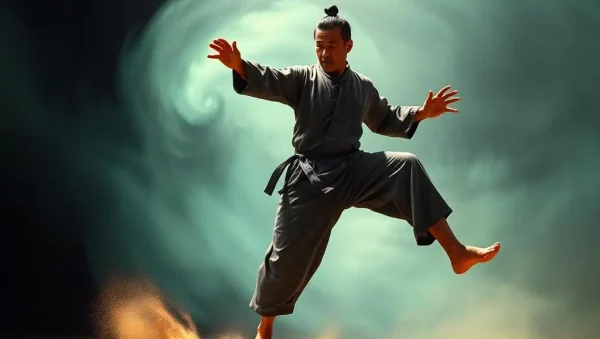
Kung Fu: Baguazhang – Circle Walking and Palm Changes
Baguazhang, or “Eight Trigram Palm,” is one of the three classic internal Chinese martial arts, alongside Taiji Quan and Xingyi Quan. Known for its fluid, evasive footwork and continuous palm changes while circling opponents, this subcategory explores the art’s unique circular movement, philosophical roots in the I Ching, and practical combat applications. Here, you will discover training methods that build agility, internal power (jin), and situational awareness, making it ideal for martial artists seeking depth beyond striking and kicking.
🌀 The Core Principle: Circle Walking (Zhuang Gong)
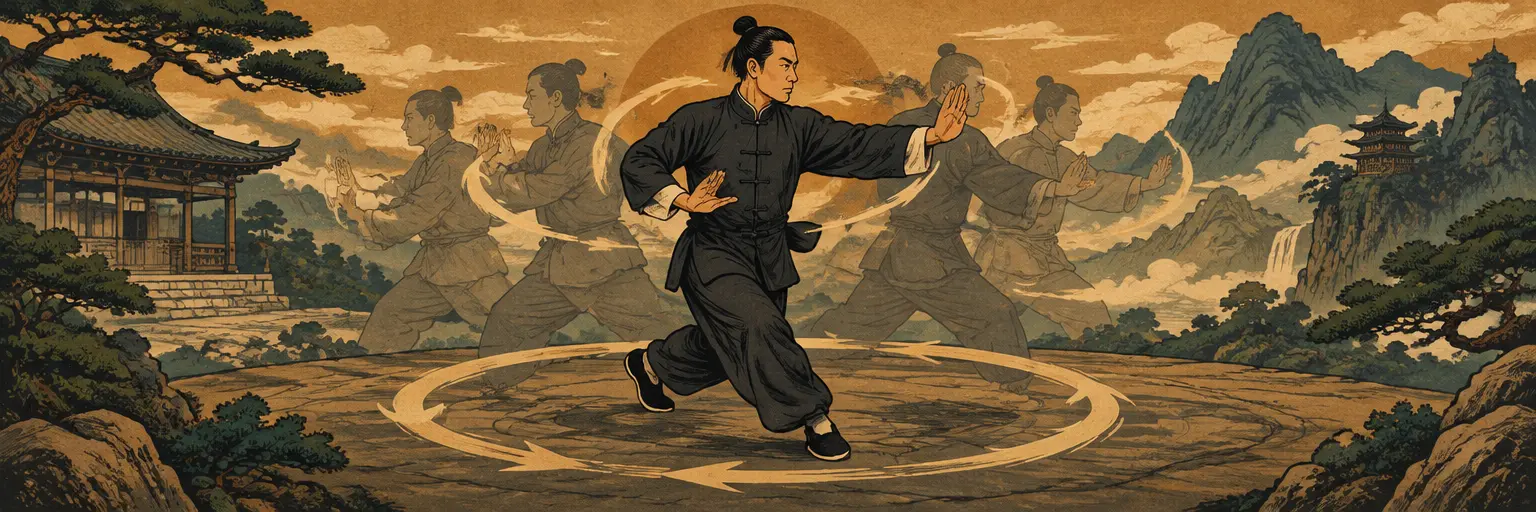
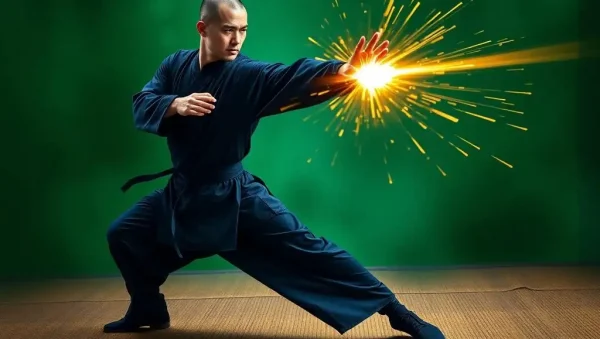
Circle walking is Baguazhang’s foundational practice, where you continuously walk around a fixed point while maintaining a low, stable stance. This develops leg strength, balance, and the ability to generate power while moving in unpredictable arcs. Expect to learn variations like the “mud wading” step, which trains your body to move as a unit, and how to transition from walking directly into combat maneuvers.
Beyond physical conditioning, circle walking is a moving meditation that cultivates mental focus and peripheral awareness. Practitioners learn to read an opponent’s rhythm by mirroring their circular motion, creating openings for sudden palm strikes or joint locks. This subcategory emphasizes that mastery begins with hundreds of hours of disciplined circling, building a “root” that makes your footwork both evasive and powerful.
🖐️ Palm Changes: The Art of Switching Directions
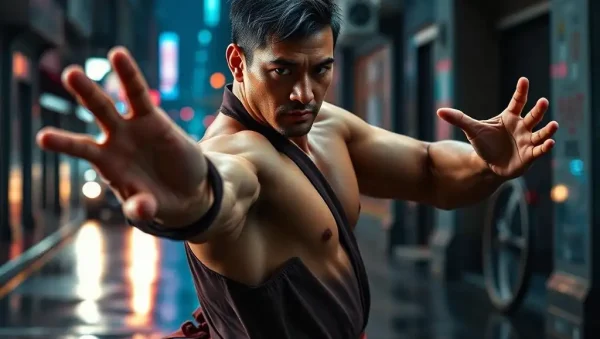
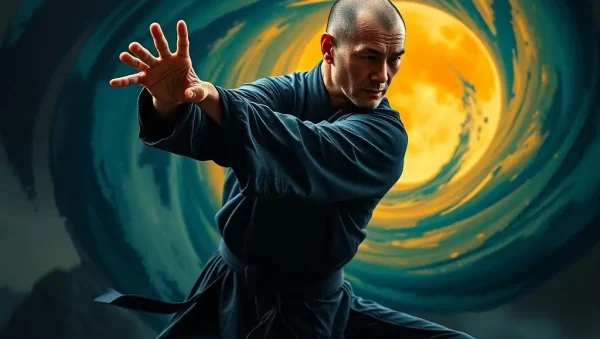
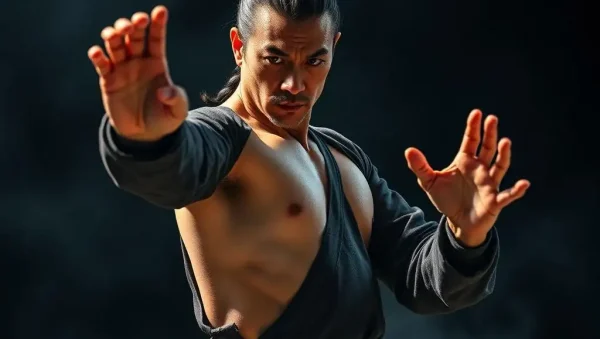
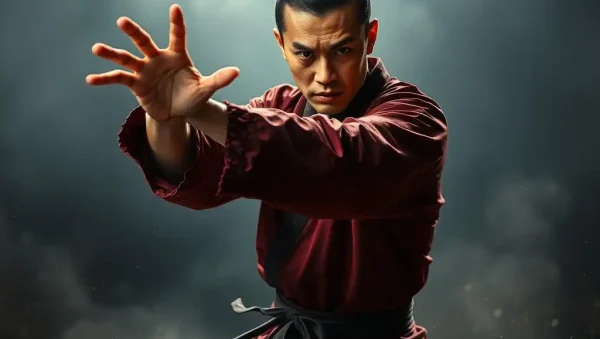
Palm changes (zhang bian) are the seamless transitions between different palm postures—like Single Change, Double Change, and Eight Mother Palms—that allow you to attack from unexpected angles. These sequences train your torso to twist, your hips to sink, and your palms to strike, slice, or redirect an opponent’s force. You’ll learn the “threading palm” and “smashing palm” techniques, each designed for close-range combat or defense against grabs.
Each palm change is not just a mechanical movement but a study in circular mechanics—how to use your body’s spiral energy to unbalance an adversary. This subcategory breaks down the precise foot alignment, waist rotation, and breathing coordination required to execute these changes smoothly. By drilling them repetitively, you internalize the concept of “changing without pause,” making your fighting style unpredictable and highly adaptive.
⚔️ Combat Applications: Evade, Redirect, Strike
Baguazhang’s combat philosophy avoids direct force; instead, it uses circular footwork to move around an attacker, deflecting their momentum before countering. Learn how to apply “walking behind” an opponent’s lead arm, using your palm to redirect their jab, then striking to the ribs or neck. This subcategory covers practical self-defense scenarios, including responses to grabs, punches, and multiple attackers—highlighting how circle walking creates distance and angle advantages.
Expect step-by-step breakdowns of classic techniques like “Entering the Door” (means to penetrate an opponent’s guard) and “Leaning Palm” (a shoulder-check combined with a low palm strike). You’ll also study pushing hands (tuishou) variations specific to Baguazhang, which refine your sensitivity to pressure and teach you to blend with an opponent’s energy rather than resist it. These drills are vital for translating circular theory into real-world tactical effectiveness.
📜 Philosophical Roots: I Ching and the Eight Trigrams
Baguazhang derives its name and movement logic from the I Ching (Book of Changes), specifically the eight trigrams that represent natural phenomena like thunder, water, and mountain. Each palm change corresponds to one trigram, mapping to specific body positions, mental intentions, and combat archetypes. This subcategory explains how a practitioner’s gait mirrors the trigram’s energy—for instance, the “Li (Fire)” trigram emphasizes explosive, upward palm strikes.
Immerse yourself in the art’s Daoist heritage, where circle walking symbolizes the eternal cycle of change and non-resistance. You’ll learn about the philosophical attributes—flexibility, adaptability, and yielding—that are as crucial as physical strength. Understanding these concepts helps you visualize your movements with deeper intention, transforming mere exercise into a moving meditation that aligns mind, body, and spirit.
🏆 Training Progressions and Drills
From beginner to advanced, this subcategory maps out a clear progression: start with basic circle walking for three months, then add single palm changes, and finally integrate partner drills and free-form sparring. Expect recommendations for home practice—like using cones or a tree as your pivot—and tips for correcting common errors such as leaning inward or losing your hip alignment. You’ll also find “standing pole” (zhan zhuang) variations to boost structural integrity.
Advanced practitioners will explore “moving with the center,” where you shift your center of gravity mid-circle to fake out an opponent. Additionally, this section introduces weapon training (like the deer horn knives) that deepens your understanding of leverage and extension. Always prioritize quality over speed, as each drill progressively challenges your balance and reaction time, ensuring that your Baguazhang evolves from a set of forms into a living, responsive system.
Frequently Asked Questions
Is Baguazhang effective for self-defense?
Yes, Baguazhang is highly effective for self-defense, but it requires regular practice of circle walking and palm changes to build reflexive footwork. Its evasive, circular movement allows you to avoid direct hits, redirect force, and strike from blind spots, which is useful against larger or stronger attackers. Start with basic applications in controlled drills before testing in sparring.
Do I need prior martial arts experience to learn Baguazhang?
No previous experience is necessary, though familiarity with basic body mechanics helps. Beginners can start with simple circle walking to build leg strength and balance. However, advanced movements like double palm changes demand coordination and will benefit from structured guidance. Consistent practice, even 15 minutes daily, yields steady progress.
How does Baguazhang compare to Taiji Quan?
While both are internal arts, Taiji Quan emphasizes slow, linear pushing and rooting, whereas Baguazhang focuses on continuous circular motion and rapid directional changes. Baguazhang footwork is more evasive and aggressive, often used to outmaneuver, rather than directly neutralize, an opponent. Many practitioners train both arts for complementary skills—Taiji for sensitivity, Baguazhang for mobility.
What equipment or space do I need for training at home?
Minimal—just a flat, non-slip surface about 8–10 feet in diameter is sufficient for circle walking. Some practitioners use a pole or rope to mark the circle’s center. For palm changes, you’ll need clear space to turn and extend arms. Comfortable shoes with good grip are recommended, though barefoot is fine on a mat.
How long until I see improvement in my agility?
Noticeable agility gains typically appear within 3–6 months of consistent practice (3–5 sessions weekly). You’ll first experience better balance and ankle flexibility, followed by improved turning speed and reaction time. Full mastery of advanced palm changes may take 1–2 years, but even basic proficiency significantly boosts your overall martial fluidity.