From Shallow Breaths to Deep Power: Transforming Your Tai Chi Practice
✨ Unlock the profound Tai Chi breathing techniques benefits and elevate your practice. Discover how mastering deep respiration transforms shallow movements into…
Read article

Discover the flowing power of Yang Style Tai Chi Chuan through its fundamental principles—where relaxation meets precision and yielding overcomes force. As the most widely practiced form of this internal martial art, Yang Style emphasizes slow, continuous movements, deep diaphragmatic breathing, and a rooted, upright posture that builds balance, flexibility, and mental clarity. Our foundational guide breaks down essential stances (like the Bow and Empty Step), weight transitions, and the signature “ward off, rollback, press, and push” hand forms, all while explaining core concepts such as sung (release of tension) and ting jing (listening energy). Whether you are a complete beginner or refining your basics, these drills improve postural alignment, joint health, and stress reduction—while also laying the groundwork for practical self-defense applications, including neutralization and redirection. Master the art of softness overcoming hardness with step-by-step cues, common error corrections, and training sequences designed to cultivate internal power.
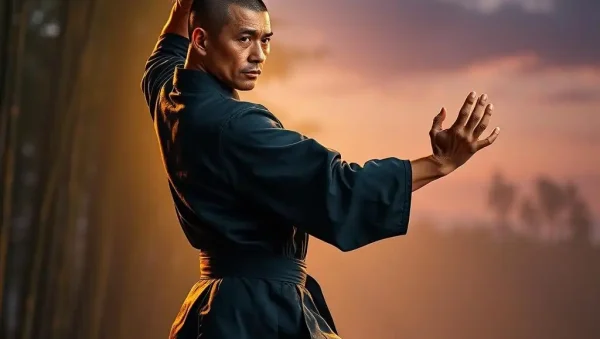
✨ Unlock the profound Tai Chi breathing techniques benefits and elevate your practice. Discover how mastering deep respiration transforms shallow movements into…
Read article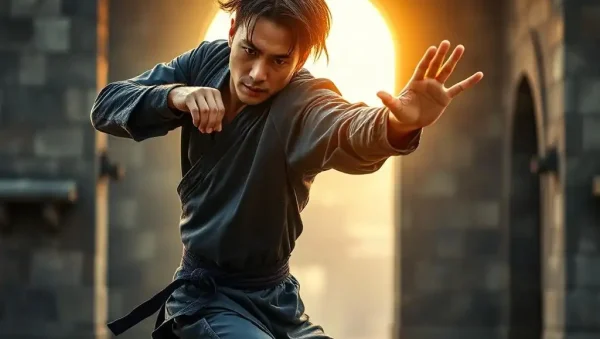
🌟 Discover the profound significance of the Yang Tai Chi Eight Gates, a vital concept that unlocks enhanced energy flow, internal strength,…
Read article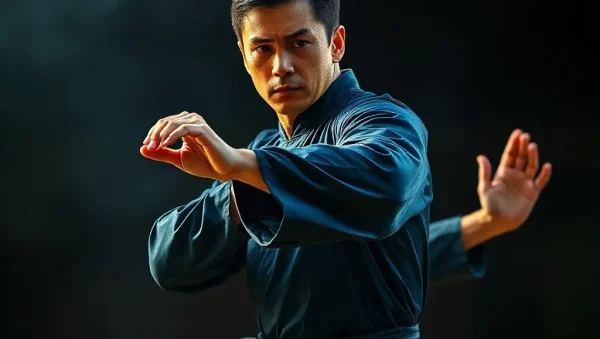
☯️ Unlock the secrets of the Yang Tai Chi form sequence, guiding you through its foundational movements. MartialArtsMastery.org reveals the structure and…
Read article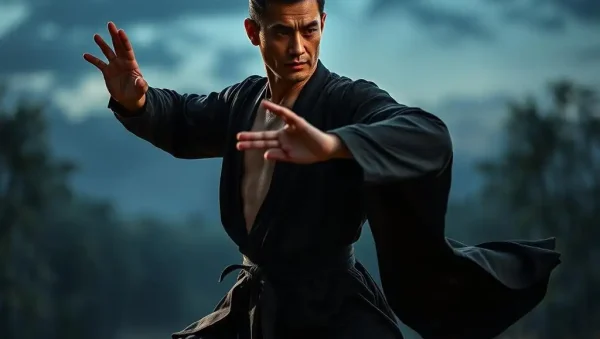
✨ Master the foundational principles of Yang Tai Chi stance alignment, from root to crown. This guide on MartialArtsMastery.org unlocks the secrets…
Read article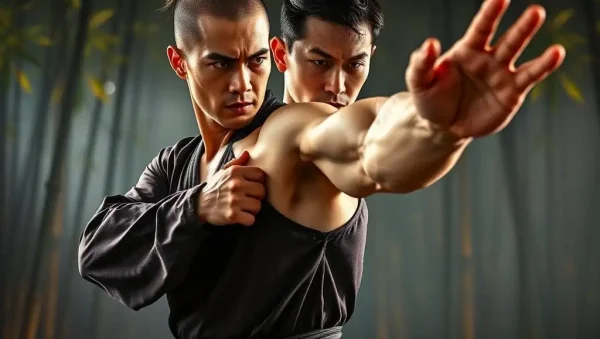
🥋 Discover the subtle complexities of Yang Tai Chi palm strikes and blocks, essential techniques that blend martial arts philosophy with practical…
Read article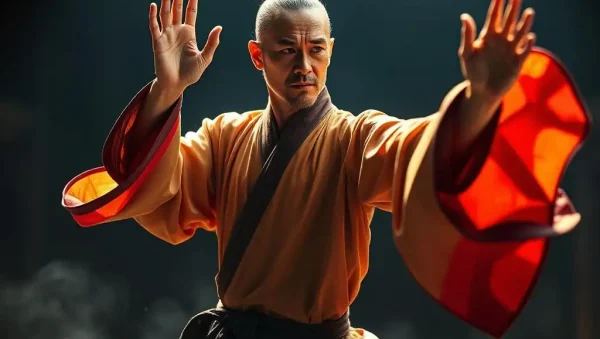
🌟 Discover the art of seamless movement with Yang style Tai Chi transitions, enhancing fluidity, balance, and grace. Explore how linking hand…
Read article
🌟 Discover the fundamentals of Yang style tai chi for beginners on MartialArtsMastery.org, where you'll learn its history, core techniques, and philosophy.…
Read articleWelcome to the world of Yang Style Tai Chi Chuan, the most widely practiced form of this ancient Chinese martial art. Within this subcategory, you’ll explore the slow, graceful, and deeply meditative movements that define the Yang family tradition. Unlike fast, explosive martial arts, Yang Style emphasizes relaxation, balance, and the continuous flow of energy (qi). Here, we break down the essential stances, hand forms, and weight-shifting techniques that form the bedrock of your practice, whether you seek health benefits, stress reduction, or a deeper connection to martial philosophy. Prepare to transform your posture, calm your mind, and build a foundation that supports both self-defense and holistic well-being.
Mastering Yang Style fundamentals begins with your feet and legs. The five primary stances—Horse Stance, Bow Stance, Empty Stance, and Drop Stance—are practiced slowly to build strength and stability. In these lessons, you’ll learn how to root your energy into the ground, keep your knees soft over your toes, and align your pelvis to protect your lower back. This structural work is non-negotiable; it ensures every movement flows from your legs, not your upper body, preventing injury while maximizing power transfer.
Expect detailed breakdowns of weight distribution (70/30 and 50/50 splits) and hip rotation. We emphasize sinking the chest and raising the back to open the meridians, a hallmark of Yang family training. By the end of this section, you’ll walk taller, stand steadier, and feel a new awareness of your body’s center of gravity. These stances are not merely static poses—they are living platforms from which all Tai Chi forms launch, making them ideal for both beginners and seasoned practitioners refining their root.
Yang Tai Chi is famous for its open-hand techniques, distinct from the closed fists of other kung fu styles. Here, you’ll master the palm, fist, hook, and brush positions, each with specific angles and energy paths. The “ward off” (peng), “roll back” (lu), “press” (ji), and “push” (an) are the four essential hands that appear in every Yang form. You’ll practice these slow, circular motions to develop silk reeling—a spiral force that connects your hands to your feet and spine.
Our detailed guides show you how to keep wrists relaxed yet alive, fingers slightly extended, and palms concave to hold energy. You’ll also learn the “cloud hands” waist-turning pattern, which coordinates hand circles with step changes. Through repetition, these hand forms become reflexive, improving hand-eye coordination and fine motor control. Each tutorial includes common corrections—like a dropped elbow or collapsed wrist—so you avoid bad habits and progress safely.
Movement in Yang Style is a continuous dance of full and empty—one leg bears weight while the other moves freely, like a cat stalking prey. This subcategory breaks down the essential stepping patterns: forward step, backward step, and side-step with heel-toe or toe-heel rolls. You’ll practice the ‘empty step’ (xu bu) where the front heel lightly touches, and the ‘solid step’ that roots you deeply. Slow, deliberate stepping trains proprioception, dramatically improving balance and reducing fall risk in daily life.
Beyond mechanics, we explore the coordination of stepping with breathing—exhale on the settle, inhale on the rise. This rhythmic practice calms the nervous system and massages internal organs. You’ll learn the ‘ward off’ step sequence in isolation, then combine it with hand patterns for a seamless whole. Master instructors provide coaching cues like “float the leg” and “sink into the kua (hip crease)” to enhance your proprioceptive feedback. By the end, walking becomes a moving meditation.
Yang Style fundamentals are incomplete without abdominal breathing (dan tian respiration). Unlike chest breathing, this technique involves the diaphragm descending naturally, expanding the lower belly on inhalation and gently contracting on exhalation. Our lessons guide you through ‘reverse breathing’ for martial power and ‘natural breathing’ for health preservation. You’ll learn to coordinate breath with slow movement, creating a moving qigong that boosts oxygen delivery and lowers cortisol.
Expect to practice “silk reeling” energy drills that circulate qi from your feet up your spine and out your fingertips. You’ll understand the concept of song—relaxation with intent—which distinguishes Tai Chi from simple calisthenics. These internal exercises improve immune function, enhance sleep quality, and cultivate a deep sense of mental clarity. We also share cautionary notes on avoiding breath holds, ensuring your practice remains safe and sustainable. Over time, you’ll feel a warmth or tingling in your palms—a sign your qi is flowing.
While Yang Style looks gentle, its martial roots are profound. This section decodes the combat logic behind the slow movements. You’ll learn that “ward off” deflects an incoming punch upward, while “roll back” redirects an attacker’s force past your shoulder. Our guides pair each basic movement with a practical self-defense scenario—against grabs, strikes, or pushes. You’ll practice planting your stance to absorb impact and using single whipping motion to strike the opponent’s vital points.
We emphasize listening energy (ting jing)—the ability to feel an opponent’s intent through subtle contact. Partner drills called ‘push hands’ (tui shou) are introduced in simplified forms, teaching you to neutralize force without resistance. This martial application isn't about brute strength; it’s about timing, leverage, and redirection. Even if you never spar, understanding martial intent deepens your awareness of each movement’s purpose. You’ll walk away with basic defensive tactics that are practical for real-world encounters, empowering you with confidence beyond the dojo.
To truly master fundamentals, you must know their origin. This subcategory traces the Yang family legacy from founder Yang Luchan in the 19th century to the modern standardization by Yang Chengfu. You’ll learn how the Yang style softened the Chen family’s explosive movements to make them accessible to all, emphasizing health while retaining martial depth. Philosophical underpinnings from Taoism—non-action (wu wei) and softness overcoming hardness—are explained in practical terms, connecting your practice to 5,000 years of Chinese thought.
Expect biographical sketches of key lineage holders, including Yang Banhou and Yang Jianhou, and how their innovations shaped today’s 108-form sequence. We also examine the “Ten Essential Points” of Yang Chengfu, a classic text that covers posture, relaxation, and mental focus. Understanding this lineage helps you appreciate why gentle circles are more powerful than rigid strikes. It contextualizes your training within a global tradition, making every practice feel like a dialogue with history. This background enriches your respect for the art’s subtlety and enduring relevance.
Most students grasp the fundamental stances and hand forms within 8–12 weeks of weekly practice. However, internal depth—such as proper qi flow and relaxation—takes several months to feel automatic. Daily practice of even 15 minutes accelerates progress significantly. The basics are never fully mastered; they evolve as your skill deepens.
No, Yang Style Tai Chi is exceptionally beginner-friendly. Its slow, low-impact movements are ideal for all ages and fitness levels. Previous experience can help with body awareness but is not required. Focus on consistency over intensity, and you'll progress steadily.
Yes, but with caveats. Tai Chi teaches redirection and leverage, not brute force. After learning the martial applications of basics, you’ll gain effective techniques against untrained attackers. However, cross-training in sparring or push hands is recommended for real combat confidence. Its primary strength is avoiding conflict through superior positioning.
Absolutely, with modifications. Keep your knees over your toes and avoid deep squatting. Many forms can be performed with small steps to reduce joint strain. Always warm up your knees with gentle circles. The slow, controlled movement often strengthens surrounding muscles, alleviating chronic pain over time.
Very little. Wear comfortable, loose clothing and flat-soled shoes like sneakers. No sparring gear is needed for basics. A mat may help for ground work, but it's optional. Most importantly, bring patience and a willingness to slow down. No expensive gadgets or uniforms are necessary to begin your journey.







