Unlocking Your Inner Warrior: How Rest, Sleep, and Active Recovery Forge Mental Fortitude
💪 Discover how strategic rest, quality sleep, and active recovery are crucial for martial artists. Learn how these vital practices forge mental…
Read article
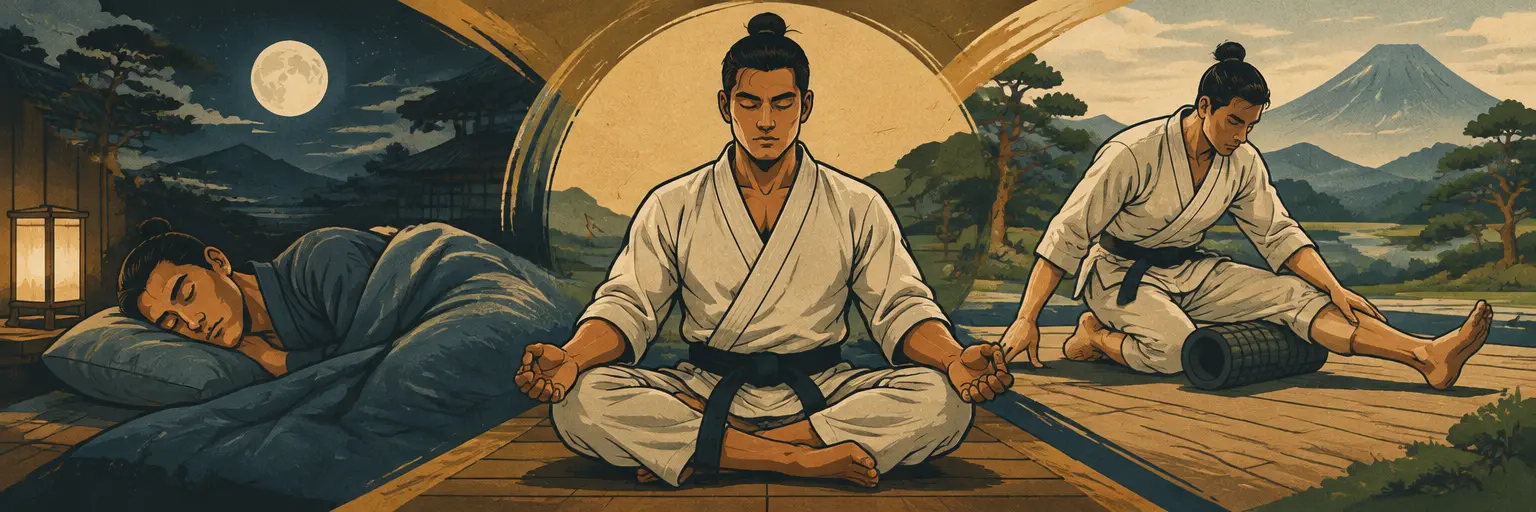
Unlock your full potential with proper recovery methods—the secret weapon of elite martial artists and combat athletes. 🥋 While intense training builds strength and skill, it’s during rest and sleep that your body repairs muscle tissue, consolidates motor learning, and prevents burnout, injuries, and plateaued performance. 😴 Active recovery—such as light stretching, yoga, walking, or low-impact drilling—boosts blood flow, reduces soreness, and accelerates toxin clearance without adding fatigue. By mastering sleep hygiene, strategic rest days, and active recovery protocols, you’ll train smarter, recover faster, and stay consistently sharp in class, sparring, or competition. 🚀 Whether you’re recovering from a grueling session or preparing for a tournament, integrating these evidence-based techniques enhances flexibility, joint health, and mental clarity—so you can return to the mat with renewed power and focus. 💪 Optimize your downtime, respect your body’s signals, and elevate your martial arts journey through science-backed recovery that fuels long-term progress.
💪 Discover how strategic rest, quality sleep, and active recovery are crucial for martial artists. Learn how these vital practices forge mental…
Read article
☯️ Mastering martial arts demands more than just rigorous training; it requires strategic recovery. Discover how to integrate a vital martial artist…
Read article
💪 Unlock peak performance by mastering martial arts training recovery periodization. Align your rest and activity with training cycles for optimal progress…
Read article
Resting improves martial arts performance, unlocking peak potential. Discover why strategic recovery is as crucial as rigorous training on MartialArtsMastery.org, your guide…
Read article
✨ Master the art of active recovery post martial arts training on MartialArtsMastery.org. Discover essential techniques to enhance performance and prevent injury,…
Read article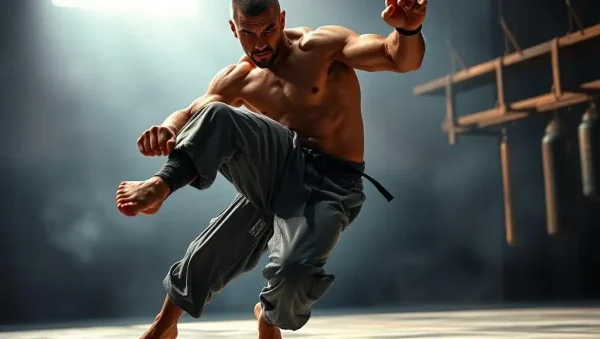
🔥 Unlock peak performance with cutting-edge active recovery martial artists training. Explore innovative techniques beyond static stretching to enhance flexibility, prevent injuries,…
Read article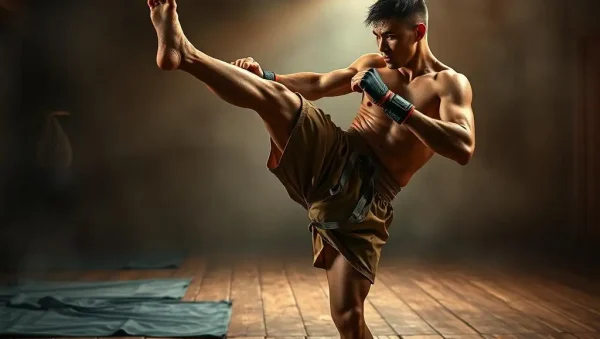
💪 Unlock peak performance by understanding the vital science behind martial arts post-workout recovery. Discover what your body truly craves to rebuild,…
Read articleIn the demanding world of martial arts, your progress isn’t just made during training—it’s forged in the hours between sessions. Adopting structured recovery methods such as strategic rest, quality sleep, and targeted active recovery is the secret weapon of elite fighters and disciplined students alike. This subcategory dives deep into the science and practical application of recovery, ensuring you train harder, heal faster, and reduce the risk of overtraining. Whether you practice Brazilian Jiu-Jitsu, Muay Thai, or traditional Karate, mastering recovery will elevate your technique, stamina, and mental clarity. Let’s explore the essential pillars that keep your body resilient and your mind sharp for every sparring session and belt test.
Sleep is the cornerstone of all recovery, yet it’s the most overlooked element in martial arts training. During deep sleep, your body releases human growth hormone (HGH), which is critical for muscle repair, joint health, and tissue regeneration after intense grappling or striking drills. Without 7-9 hours of quality sleep, your reaction time slows, cognitive focus drops, and your immune system weakens, making you more susceptible to injuries and illness. Prioritize a consistent sleep schedule and a cool, dark environment to maximize your body’s natural repair mechanisms.
Moreover, sleep directly impacts motor skill consolidation—the process where your brain stores new techniques learned during practice. If you’re drilling a new footwork pattern or submission escape, a full night’s sleep is what transforms that awkward movement into an instinctive reflex. Many martial artists sacrifice sleep to train more, but this is counterproductive. Instead, view sleep as your most potent, legal performance-enhancing tool. Track your sleep patterns and aim for deep, uninterrupted cycles, especially after high-volume training weeks.
Active recovery involves low-intensity exercise performed on rest days or between rounds to promote blood flow without adding stress. For martial artists, this can include light shadowboxing, slow flow yoga, swimming, or a brisk walk. The increased circulation delivers oxygen and nutrients to sore muscles while flushing out metabolic waste like lactic acid. This reduces delayed-onset muscle soreness (DOMS) and keeps your joints lubricated, which is vital for maintaining explosiveness in kicks and throws. Avoid complete inactivity, as it can lead to stiffness and reduced range of motion.
Integrating active recovery strategically—for example, 20-30 minutes of tai chi or mobility drills on your off days—can also sharpen your proprioception and balance. Unlike passive rest, this approach keeps your nervous system engaged without triggering fatigue. Listen to your body: if you feel drained, keep it very light; if you feel tense, use dynamic stretching. The goal is to feel refreshed and ready for your next intense session, not to add another workout. Make active recovery a ritual, not an afterthought.
Rest days are not a sign of weakness—they are essential for preventing burnout and overtraining syndrome, which plagues many dedicated martial artists. Your muscles and central nervous system (CNS) need 48-72 hours to repair after hard resistance training. Plan at least one to two full rest days per week, and consider a deload week every 4-6 weeks where you reduce training volume and intensity by 50%. This allows your tendons, ligaments, and adrenal system to recover, maintaining your passion and motivation for years of practice.
During rest, focus on passive techniques like foam rolling, contrast showers, or meditation to lower cortisol levels. Overtraining manifests as persistent fatigue, irritability, and decreased performance—signals that you’re ignoring your recovery needs. Remember that skill acquisition happens on rest days as much as on the mat. By strategically scheduling rest, you prevent plateaus and reduce injury risk, ensuring that you can continue training for decades. The most advanced fighters respect rest as much as their most complex combinations.
Recovery begins immediately after training with proper hydration and nutrition. Water is essential for every cellular function, including protein synthesis and nutrient transport. Dehydration by just 2% can impair cognitive function and physical performance, so rehydrate with electrolytes throughout the day, not just after class. Pair this with a balanced post-training meal containing protein (20-30g) and complex carbohydrates to replenish glycogen stores and rebuild muscle fibers. This is your window of opportunity to accelerate recovery.
Include anti-inflammatory foods like berries, leafy greens, and omega-3 fatty acids from fish or flaxseed to reduce tissue damage. Avoid excessive alcohol and processed sugar, which dehydrate and hinder recovery. Some martial artists use branched-chain amino acids (BCAAs) or tart cherry juice to support muscle repair and reduce soreness. However, whole foods are superior. Create a recovery nutrition plan that aligns with your training schedule, ensuring you eat within two hours post-session. Your body rebuilds itself from what you consume—make every meal a stepping stone to mastery.
Cold water immersion (ice baths) and contrast water therapy (alternating hot and cold) are powerful methods to reduce inflammation and speed up recovery after brutal sparring sessions. Cold therapy constricts blood vessels, reducing swelling and numbing nerve endings to alleviate acute pain. Contrast baths, however, create a pumping effect where blood vessels dilate and constrict, enhancing circulation and removal of waste products. Use these techniques sparingly—immediately after intense training—but not before lifting or skills practice, as they can blunt muscle activation.
For best results, start with warm water (2 minutes), then switch to cold (1 minute), repeating 3-5 cycles. This method improves resilience to temperature changes and boosts your mental toughness, a key trait in martial arts. Alternatively, topical cooling gels or menthol creams can offer localized relief for joints and muscle strains. Always consult a healthcare professional if you have cardiovascular conditions. These tools are adjuncts, not replacements, for sleep and nutrition. When used correctly, they help you bounce back faster, so you can return to perfecting your craft without prolonged downtime.
Most martial artists require 7-9 hours of quality sleep per night to maximize muscle repair, cognitive function, and hormonal balance. Serious athletes may need closer to 9-10 hours, especially during heavy training cycles. Prioritize consistent sleep and wake times to align with your circadian rhythm. If you struggle with sleep, limit screen time before bed and maintain a cool, dark room. Quality sleep is non-negotiable for injury prevention and skill retention.
Active recovery involves low-intensity movement like walking, yoga, or light cycling, which stimulates blood flow without stressing the body. Rest is complete inactivity, allowing full cellular repair and CNS recovery. Use active recovery on days after intense training to reduce soreness, but schedule at least one full rest day per week. Both are essential; active recovery improves circulation, while rest prevents overtraining. Balance them based on your energy levels and training intensity.
Yes, but keep it gentle. A 20-30 minute session of mobility work, stretching, or a casual walk is ideal on rest days. Avoid any activity that elevates your heart rate significantly or causes fatigue. The purpose is to promote blood flow and joint lubrication, not to add training volume. Listen to your body—if you feel drained, choose complete rest instead. This helps prevent burnout while keeping you flexible and ready for your next session.
Consume a recovery meal within 30-60 minutes post-training to replenish glycogen and initiate muscle repair. Include a 3:1 or 4:1 ratio of carbohydrates to protein, such as chocolate milk, a turkey sandwich, or a protein shake with fruit. This window is when your body is most receptive to nutrient uptake. If you can’t eat immediately, at least drink water with electrolytes. Delaying nutrition beyond two hours slows recovery and may lead to increased soreness.
It depends on the goal. Ice baths are excellent for reducing acute inflammation and pain immediately after high-intensity sessions. Active recovery is better for improving circulation and promoting long-term mobility over the following days. For chronic soreness, gentle movement often feels better and supports healing. Many advanced athletes combine both: cold therapy right after training, then active recovery the next morning. Never use ice baths before a workout as they can reduce power output. Choose based on your symptoms and timeline.